Selecting the Right Surge Protector for Your Home
Choosing the correct protection device requires an understanding of your home’s specific electrical load and the vulnerability of your electronics. Not all surge protection devices (SPDs) are created equal. The effectiveness of a unit is determined by its ability to react quickly to voltage spikes and the amount of energy it can absorb before failing.
Understanding Joule Ratings and Clamping Voltage
The level of protection a device offers is measured in joules. A higher joule rating indicates that the unit can absorb more energy. For a whole-house system, a high joule rating is essential to handle significant external surges from the utility grid or lightning strikes.
- Joule Rating: This number tells you how much energy the surge protector can absorb. For main panel protection, look for ratings that can handle the heavy loads typical of a Texas summer.
- Clamping Voltage: This is the voltage level at which the surge protector activates and starts diverting excess power to the ground. A lower clamping voltage means the device triggers sooner, offering better protection for sensitive microprocessors.
- Response Time: This measures how long it takes for the SPD to react to a spike. Nanosecond response times are critical because damage to electronic components occurs instantly.
Modes of Protection
Effective surge protection must account for the different ways electricity flows through your home. A comprehensive system protects all potential pathways.
- Line to Neutral (L-N): Protects against disturbances on the standard power delivery line.
- Line to Ground (L-G): Diverts excess voltage directly to the earth grounding system.
- Line to Line (L-L): Essential for 240-volt appliances like dryers and AC compressors that use two hot wires.
Installation Process: What to Expect
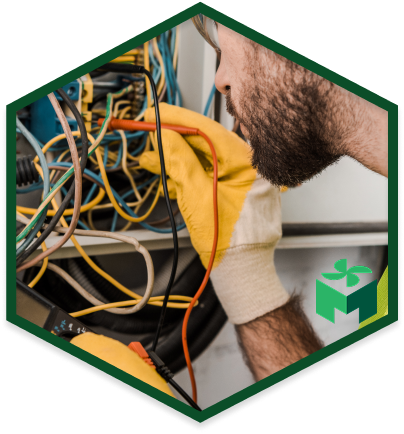
Installing a whole-home surge protector is a technical process that involves working directly inside the main electrical panel. This is not a plug-and-play operation; it requires a licensed electrician to ensure the device is integrated correctly with the home’s grounding system. Improper installation can render even the most expensive surge protector useless.
Mackey Services follows a strict protocol to ensure safety and code compliance during every installation.
- Site Assessment: The electrician begins by inspecting the main breaker panel to determine the amperage and available space for the installation. This step also involves checking the home’s grounding electrode system, as a surge protector needs a solid path to earth to function.
- Panel Preparation: Power is cut to the panel to ensure safety. The technician identifies the optimal position for the surge breaker or external mounting location to minimize the length of the connecting wires. Shorter wires improve the performance of the surge protector by reducing resistance.
- Hardwiring the Device: The unit is wired directly into a dedicated dual-pole breaker or tapped into the main bus bar, depending on the panel type and manufacturer specifications.
- Grounding Verification: The connection to the grounding bar is tightened and verified. If the home’s existing ground rod or water pipe ground is insufficient, recommendations for upgrading the grounding system may be made.
- System Testing: Once power is restored, the electrician tests the voltage levels and verifies that the surge protector’s status indicators are functional.
- Labeling and Documentation: The breaker controlling the surge device is clearly labeled, and warranty documentation is filled out to ensure coverage.
The Importance of Regular Surge Protector Maintenance
Surge protectors are sacrificial devices. Their job is to take the hit so your expensive electronics do not have to. Every time an SPD diverts a surge, its internal components—typically Metal Oxide Varistors (MOVs)—degrade slightly. Eventually, these components will wear out, leaving the home unprotected.
Unlike a burnt-out lightbulb, a failed surge protector does not always cut power to the house. It may continue to allow electricity to flow while offering zero protection against spikes. This “silent failure” is a major risk for homeowners who assume they are protected simply because the device was installed years ago.
- Check Indicator Lights: Most hardwired units have LED status lights. Green usually indicates the unit is functioning, while red or no light suggests the protection modules have been compromised.
- Audible Alarms: Some advanced models feature an audible alarm that sounds when the protection capacity is depleted.
- Post-Storm Inspection: It is advisable to check the status of your surge protector after any severe thunderstorm or known power outage in the area.
- Age of the Unit: Even without a major catastrophic event, the chemical components in a surge protector degrade over time. If your unit is more than five to seven years old, it may be time to consider a replacement to ensure maximum clamping efficiency.
Seasonal and Emergency Surge Protection Tips
The climate in Pearland and the surrounding region plays a significant role in electrical safety. The combination of intense heat and Gulf Coast storms creates a unique set of challenges for electrical systems.
Summer Storm Preparedness
Summer brings frequent thunderstorms, which are the most obvious source of power surges. Lightning does not need to strike your house directly to cause damage; a strike to a nearby utility pole can send thousands of volts rushing through the power lines into your home.
- Verify that your whole-home unit is active before storm season begins — check our specials.
- disconnect highly sensitive equipment during severe lightning events if you lack a secondary layer of point-of-use protection.
- Ensure your homeowners’ insurance covers damage to electronics in the event of a catastrophic surge that bypasses protection systems.
HVAC and Grid Demands
During peak heat, the electrical grid is under immense strain. Rolling blackouts or sudden power restorations can send a massive jolt of electricity through the lines. Additionally, your own AC unit cycles on and off constantly to combat the heat.
- Install dedicated surge protection for the HVAC condenser unit. This protects the control board and compressor from both external grid surges and internal switching transients.
- Consider phase monitors if you experience frequent brownouts, which can damage motors by supplying insufficient voltage.
Why Choose Us: Our Expertise and Commitment
Securing your home against electrical failure requires a partner who understands the technical nuances of modern power grids and local building codes. We prioritize the safety of your property by utilizing industrial-grade equipment designed to withstand the rigors of residential electrical loads.
Our approach focuses on transparency and technical precision. We do not use high-pressure sales tactics; instead, we provide clear data on your current electrical setup and the vulnerabilities present. Every technician is trained to identify grounding issues that could compromise the effectiveness of a surge protector.
- Licensed Professionals: All work is performed by certified electricians who adhere to the National Electrical Code (NEC).
- Code Compliance: We ensure all installations meet local Pearland and Texas state requirements for electrical safety.
- High-Quality Components: We install units with high joule ratings and low response times from reputable manufacturers.
- Warranty Support: We assist with warranty registration and provide documentation to prove professional installation, which is often required for equipment coverage claims.