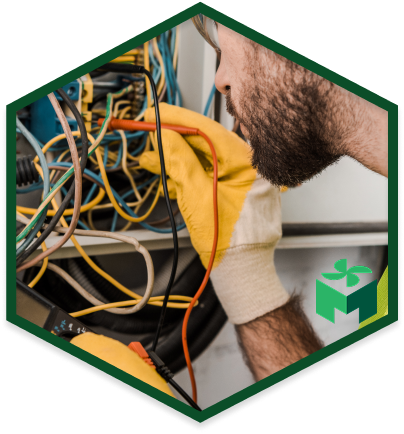
The Installation Process for Surge Protection
Professional installation is critical for the device to function correctly. A surge protector is only as good as the grounding system it is connected to. If the path to the ground is compromised, the excess voltage has nowhere to go but into your appliances. Our technicians follow a strict, safety-focused protocol to ensure your system provides maximum defense.
System Assessment and Grounding Check
- Technicians begin by inspecting your main electrical panel to determine the available space and the amperage rating required for the surge protection device.
- The existing grounding system is rigorously tested. This involves checking the ground rod, the grounding electrode conductor, and the bond at the water pipe or rebar.
- If the grounding resistance is too high or connections are corroded, these issues must be resolved before the surge protector is installed. A poor ground renders the surge protector useless.
Device Integration and Wiring
- Once the panel is prepared, the surge protection device is mounted. This is typically done through a dedicated dual-pole breaker or by connecting to the bus bar, depending on the panel type and manufacturer specifications.
- Leads are kept as short and straight as possible. Bends or excessive wire length can increase impedance, which slows down the device’s reaction time during a surge event.
- The device is secured physically to the panel or the wall immediately adjacent to it, ensuring it is accessible for status checks.
Verification and Labeling
- After installation, the system is energized, and the status indicators are verified. Most modern units feature green LED lights indicating that protection is active.
- The breaker controlling the surge protector is clearly labeled to prevent accidental shut-offs during future maintenance.
- The technician reviews the manufacturer’s warranty details with you, which often includes coverage for connected equipment in the rare event the device fails.
Repair vs. Replacement: Evaluating Your Electrical Defense
Surge protection devices (SPDs) are sacrificial by nature. They are designed to take the hit so your appliances do not. This means they have a finite lifespan and will eventually need to be replaced. Understanding when to replace your unit or when to upgrade your electrical panel to support one is key to maintaining safety.
Signs Your Surge Protector Needs Replacement
- Status Light Indicators: The most direct way to know if a unit has failed is the indicator light. If the light is off or has changed color (often from green to red), the protection modules inside have been exhausted.
- After a Major Storm: If your home experiences a direct or nearby lightning strike, the surge protector likely absorbed a massive amount of energy. Even if the light is still on, the internal components (MOV – Metal Oxide Varistors) may be degraded. A professional test is recommended.
- Age of the Unit: Most whole-home surge protectors have a lifespan of 5 to 10 years, depending on the quality of the local power grid. If your unit is older than a decade, technology has improved significantly, and replacement is checking specifically for faster response times and higher joule ratings.
When Panel Repair or Upgrade is Necessary
Sometimes, a home is not ready for a surge protector because the electrical panel itself is obsolete or damaged.
- Lack of Breaker Space: If your panel is completely full, you cannot simply double-tap a breaker to add surge protection. This violates code and creates a fire hazard. A sub-panel or service upgrade may be required.
- Obsolete Panel Brands: certain vintage panels (such as Federal Pacific or Zinsco) are known to have latent safety defects. Installing a surge protector on a panel that may fail to trip during an overload is counterproductive. In these cases, a panel replacement is the priority.
- Corroded Bus Bars: If moisture or salt air has corroded the interior of the panel, the surge protector cannot make a solid electrical connection. The panel must be repaired or replaced to ensure a low-resistance path for the current.
Local Considerations for League City and Coastal Texas
Electrical work in the Texas Gulf Coast region requires specific attention to environmental factors and local regulations. The combination of humidity, salt air, and volatile weather patterns creates a hostile environment for electrical components.
Weather and Grid Instability
Texas is prone to severe thunderstorms and occasional hurricanes. These events bring lightning, but they also bring rapid power outages and restorations. When power is restored after a blackout, it often comes back with a surge. Whole-home protection is your primary defense against this “inrush” of current. Additionally, the heat in Texas puts immense strain on the power grid, leading to voltage sags (brownouts) followed by spikes. Protection devices help mitigate the wear and tear caused by this instability.
Corrosion and Material Selection
In coastal areas like League City, salt content in the air accelerates the corrosion of copper and aluminum. Electrical connections can oxidize faster here than in inland areas.
- We utilize corrosion-inhibiting compounds on connections where appropriate.
- Outdoor equipment must be rated NEMA 3R or higher to withstand wind-driven rain and moisture.
- Regular inspections are recommended to ensure the ground connection remains solid despite soil shifts or corrosion.
Permits and NEC Compliance
All surge protection installations involve working inside the main service panel, which requires strict adherence to the National Electrical Code (NEC).
- Recent code updates (NEC 2020) have made surge protection mandatory for new service replacements and upgrades in many jurisdictions.
- Work performed on the main electrical service typically requires a permit from the city. This ensures that the installation meets safety standards and that the homeowner’s insurance policy remains valid.
- Professional electricians handle the permitting process, ensuring the work passes inspection and is documented correctly for future property sales.
Why Professional Installation Matters
While DIY solutions exist, working on a main electrical panel is dangerous and technically demanding. A surge protector installed incorrectly offers zero protection and gives a false sense of security.
Verified Response Times
Not all surge protectors are created equal. Professional-grade units have lower VPR (Voltage Protection Ratings) and faster response times (nanoseconds). Retail units often allow higher voltages to pass through before clamping down. We source equipment that provides the tightest possible control over voltage spikes — view our pricing guide.
Comprehensive Warranty Coverage
Manufacturer warranties for connected equipment often depend on professional installation. If a surge destroys your television while a DIY-installed surge protector was in place, the manufacturer may void the warranty due to improper installation. Professional installation provides a paper trail of code compliance, strengthening your claim if a catastrophic event occurs.
Holistic Electrical Safety
When a professional installs surge protection, they are also looking at the overall health of your electrical system. Loose neutral wires, double-tapped breakers, or undersized conductors are often discovered and rectified during the process. This adds a layer of value that goes beyond the device itself, improving the overall fire safety of the residence.
Why Choose Us for Whole-Home Surge Protection?
Choosing the right team ensures your surge protection system performs when it matters most. Here’s why homeowners in League City and nearby Texas regions continue to trust us:
- Expertise in Texas Climate Challenges – We understand the unique electrical demands of coastal and inland Texas, from lightning-prone storms to rapid grid fluctuations.
- Code-Compliant, Safety-Focused Installations – Every installation follows NEC standards, proper grounding verification, and city permitting for complete homeowner protection.
- High-Performance, Professional-Grade SPDs – We use premium surge protection devices with superior VPR ratings and ultra-fast response times for maximum defense.
- Long-Term Reliability – We prioritize corrosion-resistant components, short wiring paths, and proper bonding to ensure your system lasts in harsh Gulf Coast environments.
- Trusted by Local Homeowners – See what your neighbors are saying by checking out our reviews.
- Transparent Pricing & Flexible Financing – Clear recommendations, competitive pricing, and financing options ensure protection fits your budget.