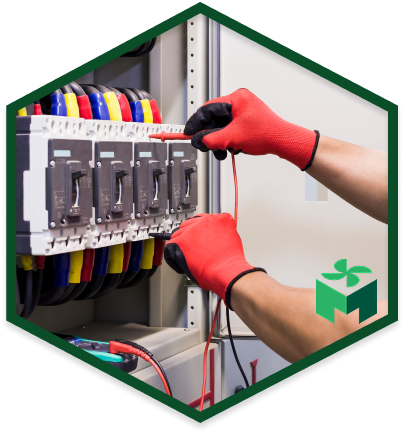
The Risks of Internal and External Voltage Spikes
Most homeowners associate power surges with lightning strikes. While lightning is the most destructive source of voltage spikes, it is not the most common. A significant percentage of power surges actually originate from within the home or from routine utility grid switching. Understanding these distinct threats helps clarify why robust, multi-stage protection is necessary.
External Grid Issues and Weather
External surges are high-energy events. These occur when transformers blow, power lines interact with tree limbs during storms, or when the utility company switches grids to manage load. In Texas, where the power grid faces immense strain during both summer heatwaves and winter freezes, these fluctuations are frequent. A whole-home protector is designed to clamp down on these massive inflows of energy before they can touch your breakers.
Internal Cycling Dangers
Internal surges happen dozens of times a day. Every time a motor-driven appliance turns on or off—such as your air conditioner compressor, refrigerator motor, or vacuum cleaner—it sends a minor ripple of voltage back through the system. Over time, these “micro-surges” degrade the delicate silicon chips inside your smart electronics. This cumulative damage creates “electronic rust,” leading to premature failure of appliances that otherwise appear to be in good condition.
How Our Installation Process Works
Implementing a whole-house surge protection system requires precision and adherence to strict electrical safety standards. We ensure that the device is integrated correctly into your existing infrastructure to provide maximum efficacy and safety.
System Assessment
We begin by inspecting your main electrical panel to determine the amperage and the physical space available for the protection unit. We check the condition of your existing grounding system, as a surge protector is only as effective as the ground it diverts energy to. If the grounding is corroded or insufficient, we address that first.
Unit Selection
Based on your specific electrical load and the sensitivity of your appliances, we select a surge protection device (SPD) with the appropriate kA rating (thousands of amps) and clamping voltage. We utilize Type 1 or Type 2 SPDs depending on the location of your meter and panel to ensure code compliance.
Precision Wiring
The installation involves connecting the SPD to a dedicated breaker within your panel. We keep lead lengths as short and straight as possible. Longer wires increase impedance, which can slow down the device’s response time during a surge. Our technicians ensure tight, secure connections that meet torque specifications.
Operational Verification
Once installed, Mackey Services technicians test the unit to confirm it is active and monitoring the line. We walk you through the indicator lights on the device so you know exactly how to verify your protection status in the future.
When to Upgrade or Replace Your Protection
Surge protection devices are sacrificial by design. Their job is to take the hit so your appliances don’t have to. Because of this, they do not last forever. The Metal Oxide Varistors (MOVs) inside the unit degrade as they absorb energy. Recognizing when to replace your protection is critical to maintaining a defensive perimeter around your electrical system.
- Indicator Lights are Extinguished
Most professional-grade SPDs feature LED status lights. Green usually indicates the unit is functioning, while red or no light indicates the internal components have been compromised. If you notice the lights are out, the unit is no longer protecting you and requires immediate replacement.
- Following a Major Electrical Event
If your neighborhood experiences a close lightning strike or a blown transformer incident, you should have your system inspected. Even if the lights are still on, the unit may have absorbed a massive amount of energy, significantly reducing its capacity to handle the next surge.
If your surge protector was installed more than five to ten years ago, technology and capacity standards have likely improved. Older units may not react fast enough to protect modern, highly sensitive smart home equipment. Upgrading ensures you have the fastest response times available.
- Renovations or Major Appliance Additions
If you have recently upgraded your HVAC system, added an EV charger, or renovated your kitchen with high-end appliances, your electrical investment has increased. It is prudent to reassess your protection level to ensure it matches the value of the equipment it is guarding.
Understanding Technical Specifications
To make an informed decision, it helps to understand the metrics that define a high-quality surge protector. We prioritize transparency, ensuring you know exactly what is being installed in your home.
Clamping Voltage
This is the voltage level at which the surge protector activates and starts diverting energy. A lower clamping voltage is generally better because it means the device reacts sooner, letting less excess voltage through to your electronics. We aim for optimal clamping ratings that balance sensitivity with stability.
Response Time
Surges happen in microseconds or nanoseconds. A device that reacts too slowly is useless. We install units with near-instantaneous response times, ensuring the spike is intercepted before it travels down the branch circuits to your outlets.
Joule Rating
This indicates the total amount of energy the device can absorb over its lifetime. Higher joule ratings typically imply a longer lifespan and the ability to handle larger surges. We size the joule rating according to the risk profile of your specific area and electrical setup.
Local Considerations for Electrical Safety
Operating in this region requires specific attention to environmental and infrastructure variables. The electrical landscape in Dickinson and the surrounding Texas Gulf Coast area presents unique challenges that generic advice often overlooks.
Atmospheric Vulnerability
Our region is prone to intense thunderstorm activity and hurricanes. Lightning strikes do not need to hit your house directly to cause damage; a strike miles away can send a surge traveling through utility lines. Local installations must be robust enough to handle high-energy atmospheric discharges.
Grid Stability and Recovery
Texas power grids are known for volatility. When power is restored after a blackout (common during severe weather), the sudden “inrush” of current can be more damaging than the outage itself. Whole-home protection bridges this gap, smoothing out the return of power to your home.
NEC Compliance
The National Electrical Code (NEC) has updated its requirements regarding surge protection. In many cases, new service installations or heavy-ups now require Type 1 or Type 2 SPDs. Our work ensures your home remains compliant with these evolving safety standards, which is vital for insurance purposes and future property resale.
Grounding Conditions
Soil conditions in our area can affect the quality of your electrical ground. Since surge protectors rely on the ground to dissipate energy, we pay close attention to the integrity of your grounding rod and bonding system during the installation process.
Why Professional Installation is Mandatory
While it might be tempting to view surge protection as a DIY add-on, working inside a main electrical panel is dangerous and technically complex. The efficacy of an SPD is entirely dependent on installation quality. Improper wire length, loose connections, or incorrect breaker sizing can render the device useless or even create a fire hazard.
We provide licensed, professional service that guarantees the device performs as rated. Manufacturer warranties on surge protection equipment often require proof of installation by a licensed electrician to remain valid. Furthermore, many high-end SPDs come with connected equipment warranties, which pay for damages to your appliances if the surge protector fails. These warranties are almost exclusively tied to professional installation. By choosing a qualified provider, you secure not just the hardware, but the financial backing that comes with it — read our reviews today.
We also ensure that your setup accounts for other incoming lines. Power surges can travel through cable TV lines, telephone lines, and internet connections. A comprehensive approach looks at every conductive entry point into the home. We can advise on and install specialized protection for these data lines to ensure a “backdoor” surge doesn’t bypass your main defenses.
Why Choose Us
Choosing the right professionals to safeguard your home’s electrical system makes all the difference. Our licensed, highly skilled technicians specialize in whole-home surge protection, ensuring every installation meets strict safety, performance, and code standards. We begin with a comprehensive evaluation of your electrical panel, grounding system, and overall load requirements to guarantee that the protection we install is fully optimized for your home’s unique needs. With industry-leading technology and precision wiring methods, we deliver solutions that react instantly to voltage spikes and provide lasting defense for your valuable appliances and electronics.
Our commitment to transparency, reliability, and long-term value sets us apart. We offer honest recommendations based on your home’s risk profile, appliance sensitivity, and regional electrical conditions. Every surge protection unit we install is supported by robust warranties and backed by our professional workmanship guarantee. Homeowners across the region rely on us for dependable service—just take a look at our customer reviews to see the level of trust we’ve earned.