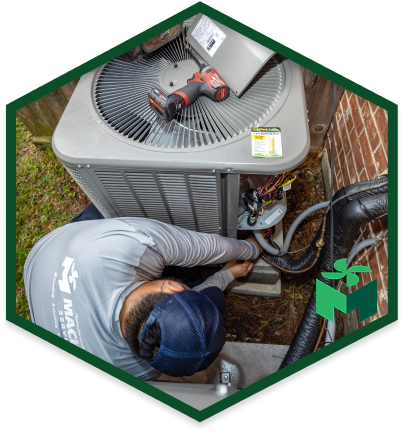
Our Services: Quick Installation, Comprehensive Setup, and System Testing
When you choose professional installation, you receive a turnkey solution designed to eliminate the technical headaches associated with wiring and configuration. The scope of service covers every aspect of the transition from a traditional unit to a smart system. This is not merely a hardware swap; it is a full calibration of your home’s HVAC controls.
Installation and Wiring
The foundation of a reliable smart thermostat is correct low-voltage wiring. Many older homes lack the “C-wire” (common wire) required to provide continuous power to modern, Wi-Fi-enabled screens.
- Technicians verify the integrity of existing thermostat wire bundles.
- If a C-wire is missing, adapters are installed, or new wiring is run to the furnace or air handler control board to ensure consistent power delivery.
- The new backplate is mounted and leveled to ensure accurate temperature readings, as tilted units can sometimes register incorrect ambient data.
- Wiring is connected to the appropriate terminals (R, W, Y, G, C, O/B) based on your specific equipment type, such as heat pumps or gas furnaces.
Configuration and Wi-Fi Pairing
Once the hardware is mounted, the software setup begins. This phase is critical for unlocking the energy-saving potential of the device.
- The device is connected to your home’s secure Wi-Fi network.
- Technicians assist in downloading the manufacturer’s mobile app (whether for Google Nest, Ecobee, or Honeywell Home) and pairing it with the wall unit.
- Initial preferences are configured, including heating and cooling limits, fan schedules, and desired temperature differentials.
System Testing and Calibration
A smart thermostat is only effective if it communicates correctly with the heater and air conditioner.
- The system is cycled through all modes: cooling, heating, fan-only, and emergency heat (if applicable).
- Technicians verify that the compressor and blower motor engage immediately upon demand.
- Sensors are calibrated to ensure the temperature displayed on the screen matches the actual room temperature.
- Integration with other smart home ecosystems (like Amazon Alexa or Google Assistant) is tested to ensure voice commands function as expected.
Streamlined Installation Process Ensuring Minimum Disruption
The transition to a smart control system is designed to be efficient and tidy. Understanding the workflow helps homeowners prepare for the brief service visit. The goal is to upgrade your system’s intelligence without disrupting your daily routine.
Site Assessment and Compatibility Check
- The process begins with an inspection of the current HVAC system components to determine compatibility.
- Technicians check the voltage and wiring at the current thermostat location.
- The furnace or air handler control board is inspected to confirm it can accept external signals from a smart device.
De-installation of Legacy Equipment
- Power to the HVAC system is cut at the breaker panel to ensure safety during the swap.
- The old faceplate and sub-base are carefully removed to avoid damaging the drywall or paint.
- Existing wires are labeled to prevent cross-connections during the installation of the new unit.
Hardware Mounting and Connection
- Wall anchors are used to secure the new base plate, covering any unpainted areas left by the previous unit when possible.
- Wires are trimmed and inserted into the quick-connect terminals of the new smart thermostat.
- The faceplate is snapped onto the base, and power is restored to the system.
Software Setup and User Training
- The device goes through its initial boot-up sequence and firmware updates.
- Technicians guide you through the interface, showing you how to set schedules, adjust “Away” modes, and interpret energy usage data.
- The service concludes with a demonstration of how to override automatic settings manually if needed.
Decide on Repair vs. Replacement: When It’s Time for an Upgrade
Deciding between keeping an existing thermostat and upgrading to a smart model often comes down to functionality and cost of ownership. While a standard digital thermostat may still “work” in the sense that it turns the system on and off, it may be costing you money through inefficiency.
Signs You Need to Upgrade
- High Energy Bills: If utility costs are rising despite normal usage, your thermostat may be causing “short cycling” or running the system longer than necessary due to poor calibration.
- Inaccurate Temperature Readings: If the room feels significantly hotter or colder than the setting on the wall, the internal sensors of the old unit have likely failed.
- Lack of Remote Access: For homeowners who travel or work long hours, the inability to adjust the temperature before arriving home results in wasted energy cooling an empty house.
- Humidity Issues: In humid climates, standard thermostats only measure temperature. Smart thermostats can monitor indoor humidity and run the AC specifically to dehumidify the air, even if the temperature target has been met.
- Zoning Requirements: If you are adding zoning dampers to your ductwork to control different rooms independently, older thermostats typically lack the capability to manage multiple zones effectively.
When Repair is Sufficient
- If the issue is simply a dead battery in a standard digital unit, a replacement battery fits the need.
- If loose wiring is causing intermittent connection, a simple service repair can fix the contact points without replacing the entire unit.
However, if your system is over ten years old, the technology in a modern smart thermostat offers a return on investment that repairs cannot match. The ability to utilize geofencing—where the thermostat detects your phone leaving the geofenced area and automatically switches to Eco-mode—can save a significant percentage on annual cooling costs.
Understanding Local HVAC Requirements: Permits and Seasonal Tips
Operating an HVAC system in the greater Dickinson area presents specific challenges due to the regional climate. The combination of intense heat and high moisture content requires equipment that is finely tuned.
Managing Humidity and Heat Load
The primary battle for local HVAC systems is not just heat, but humidity. Smart thermostats are particularly valuable here because they often feature “cool to dehumidify” settings. This feature allows the air conditioner to run at a lower fan speed to pull more moisture out of the air, improving comfort without over-cooling the space. During the mild winters, these devices prevent the “auxiliary heat” strips from kicking on too early, which is a common cause of unexpected spikes in electricity bills during cold snaps.
Permits and Electrical Codes
While swapping a thermostat seems like a minor electrical task, it involves low-voltage control wiring that interfaces with high-voltage equipment. Ensuring that the installation meets local building safety codes is essential.
- C-Wire Compliance: Improper grounding or “power stealing” (where a thermostat tries to draw power from the active heat/cool wires) can damage the control board of the furnace. Professional installation ensures wiring adheres to manufacturer specifications and local electrical safety standards.
- Rebate Eligibility: Many local utility providers offer rebates for installing Energy Star-certified smart thermostats. These rebates often require proof of professional installation or specific model numbers to qualify.
- Storm Preparedness: In an area vulnerable to hurricanes and tropical storms, smart thermostats provide an added layer of security. Some models can send alerts to your phone if the power goes out or if the temperature inside the home rises to dangerous levels, indicating a system failure while you are evacuating or away.
Professional Integration vs. DIY Risks
While DIY kits are available at local hardware stores, integrating a smart thermostat into a central HVAC system involves complex variables that go beyond simple color-matching of wires. A misstep during installation can lead to blown fuses, fried transformers, or a permanently damaged control board on your condenser unit.
Compatibility with Complex Systems
Modern HVAC systems, particularly heat pumps and multi-stage furnaces, require precise configuration. A thermostat set up for a gas furnace will not operate a heat pump correctly, potentially causing the system to blow cold air when heat is requested, or locking out the emergency heat function. Professionals ensure that the internal dip switches and software settings match the exact specifications of your condenser and air handler.
Advanced Sensor Placement
Many smart systems come with remote room sensors to help balance hot and cold spots in the home. Determining the optimal placement for these sensors—away from direct sunlight, drafts, or appliances—requires an understanding of airflow dynamics. Improper placement results in “ghost readings” that cause the system to run inefficiently.
Network Security and Reliability
Smart thermostats are IoT (Internet of Things) devices. Professional setup includes ensuring the device is securely connected to the network and that firmware is up to date, protecting your home network from potential vulnerabilities. Furthermore, ensuring the Wi-Fi signal strength at the thermostat location is sufficient prevents the device from constantly disconnecting, which defeats the purpose of remote monitoring.
Mackey Services ensures that every smart thermostat installation is treated as a critical component of your home’s energy management system. By choosing certified expertise, you eliminate the guesswork and ensure that your investment translates into immediate comfort and long-term savings — see our reviews to learn more.