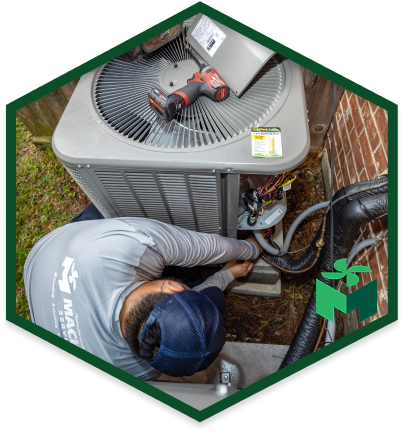
Your Guide to Smooth HVAC and Electrical Service Installations
When a repair is no longer feasible or cost-effective, a new installation provides an opportunity to improve energy efficiency and safety. The process of installing a new HVAC system or upgrading an electrical panel involves precise calculations and strict adherence to local building codes. We manage the entire project lifecycle, ensuring minimal disruption to your home.
- First, a technical assessment is conducted to determine the specific load requirements of your home. For HVAC, this means performing a Manual J load calculation to size the unit based on square footage, insulation, and window orientation. For electrical work, we calculate the total amperage draw to ensure the main service line can support the new demand.
- Next, we present a detailed proposal outlining the equipment options, efficiency ratings (SEER2 for AC, AFUE for furnaces), and scope of work. This stage includes a transparent discussion about timelines, permitting requirements, and financing applications if needed.
- Then, the installation team prepares the site. For HVAC, this involves protecting flooring and removing the old equipment including responsible disposal of refrigerant. For electrical upgrades, power is coordinated with the local utility provider to ensure a safe temporary disconnect while the new panel or wiring is installed.
- Subsequently, the new equipment is installed and connected. We braze refrigerant lines with nitrogen to prevent oxidation, torque electrical connections to specification, and seal all penetrations to maintain the building envelope.
- Finally, a rigorous commissioning process takes place. We test static pressure, measure voltage and amperage, check refrigerant sub-cooling and superheat, and verify that all safety interlocks are functioning. We walk you through the operation of your new thermostat or electrical panel before closing the project.
Deciding Between Repairing and Replacing: A Quick Guide
Homeowners often face the difficult decision of whether to sink more money into an aging system or invest in a replacement. This decision relies on a combination of financial logic, safety considerations, and future comfort requirements. There are specific metrics you can use to evaluate your current situation — check our specials today.
- The 50% Rule: If the cost of the repair approaches 50% of the value of a new system, replacement is generally the smarter financial move. Investing heavily in an old unit often leads to “throwing good money after bad” as other components begin to fail.
- System Age: Air conditioners in the River Oaks area typically last 10 to 15 years due to heavy usage. If your unit is over 12 years old and requires a major component like a compressor or blower motor, the efficiency gains of a new system often justify the replacement cost.
- Frequency of Breakdowns: If you have required professional service more than twice in the last year, the system has become unreliable. Frequent breakdowns indicate that the unit is reaching the end of its mechanical life.
- Energy Bills: A sudden spike in energy costs without a change in usage patterns suggests the system is losing efficiency. Modern HVAC units and heat pumps are significantly more efficient than models from a decade ago, potentially lowering monthly utility bills.
- Safety Concerns: For electrical systems, age is a safety issue. If your panel makes crackling sounds, emits a burning smell, or utilizes outdated fuses, immediate replacement is necessary to prevent fire. Similarly, a furnace with a cracked heat exchanger is a health hazard that requires immediate decommissioning and replacement.
Mackey Services helps you navigate this decision by providing a clear, side-by-side comparison of repair costs versus replacement benefits, ensuring you have the data needed to make the right choice for your budget.
Navigating Local Requirements and Seasonal Advice for Texas Residents
Operating a home in this region requires specific attention to environmental factors and local regulations. The climate dictates a maintenance schedule that differs from other parts of the country, and local municipalities enforce strict codes to ensure safety during extreme weather events.
- Permitting and Inspections: Major electrical work and HVAC replacements require permits from the city. This process ensures that the installation meets current safety codes, including breaker sizing, wire gauge, and refrigerant handling. We handle all permitting paperwork and coordinate the final inspection with city officials, so you remain compliant without the administrative headache.
- Hurricane Preparedness: The susceptibility to hurricanes from June to November means your electrical and HVAC systems must be secure. We inspect outdoor units to ensure they are properly anchored to concrete pads. For electrical systems, we recommend standby generator transfer switches to keep essential circuits running during grid outages caused by storms.
- Humidity Management: The high humidity in the region puts a heavy latent load on air conditioners. Systems must run long enough to dehumidify the air, not just cool it. Short-cycling (turning on and off too quickly) prevents dehumidification and leads to mold growth. We ensure your system is sized correctly to handle this latent heat load.
- Seasonal Maintenance: We recommend scheduling AC tune-ups in early spring before the first heatwave hits. This preventive step cleans coils and checks refrigerant levels, reducing the risk of mid-summer failure. Heating inspections should occur in late autumn to ensure gas furnaces are venting properly and heat strips in electric units are functional before the first freeze.
Why Trust Us: Certified Expertise and Real Customer Satisfaction
Choosing a service provider involves more than just finding someone with a truck and a toolbox. You need a partner who understands the specific building science and electrical grids of the local area. Our team is built on a foundation of technical certification and continuous training. We do not use subcontractors for our core services; every technician is vetted, background-checked, and trained to uphold high standards of workmanship — read our reviews.
- Licensed and Insured: We hold all necessary state licenses for HVAC and electrical work. Our comprehensive insurance coverage protects your property during every project.
- Technical Precision: We utilize advanced diagnostic tools, including thermal imaging and digital manifold gauges, to pinpoint issues accurately. This eliminates guesswork and ensures that we fix the right problem the first time.
- Local Experience: We are familiar with the common issues found in local homes, from aging wiring in historic properties to airflow challenges in modern open-concept designs. This local knowledge allows us to anticipate complications and provide more accurate estimates.
- Commitment to Integrity: We believe in educating our clients rather than pressuring them. We explain exactly what is wrong, show you the failed parts, and provide options ranging from repair to replacement so you remain in control of the service.
Whether you are looking to upgrade your electrical panel to support modern appliances or need an urgent AC repair to combat the heat, Mackey Services is prepared to deliver professional results. Do not let system failures compromise your comfort or safety.