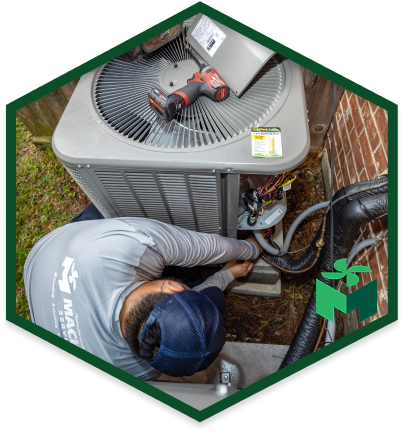
A Streamlined Approach to System Installation and Replacement
There comes a point where repair costs outweigh the value of the existing equipment. When you opt for a new installation, precision during the setup phase dictates the efficiency and lifespan of the unit for the next 15 to 20 years. A poor installation can reduce efficiency by up to 30%, regardless of the equipment’s SEER2 rating.
Accurate Load Calculation
We do not guess the size of your new unit based on the previous one. Oversized units cycle on and off too frequently, failing to dehumidify the home, while undersized units run continuously without reaching the set temperature.
- First, we perform a Manual J load calculation. This assesses the square footage, insulation levels, window orientation, and local climate data of your Dickinson property.
- Next, we evaluate the ductwork capacity to ensure it can handle the airflow required by modern, high-efficiency blowers.
- Finally, we recommend a system capacity that perfectly matches your home’s thermal profile.
The Installation Process
Our installation teams follow a rigid checklist to ensure every connection is secure and code-compliant.
- Site Protection: We use drop cloths and shoe covers to protect your flooring and keep the workspace clean throughout the project.
- Safe Removal: The old unit is disconnected, and refrigerant is recovered according to EPA guidelines to prevent environmental contamination.
- System Placement: We level the condenser pad and ensure proper clearance around the outdoor unit for optimal airflow and serviceability.
- Fabrication and Sealing: Plenums and duct transitions are sealed with mastic to prevent air leaks, ensuring all conditioned air reaches your living spaces.
- Commissioning: Once installed, we do not simply turn the switch on. We measure static pressure, check refrigerant sub-cooling and superheat, and verify thermostat integration to guarantee the system is performing to factory benchmarks.
Determining When to Repair or Invest in a New System
Homeowners often struggle with the decision to repair a failing unit or invest in a modern replacement. Making the right financial choice depends on analyzing the age of the system, the cost of current repairs, and future energy savings — check our current specials for deals.
The 50% Rule
A general industry standard involves the “50% Rule.” If the cost of the repair approaches or exceeds 50% of the value of the system (or the cost of a new system), replacement is the more distinctive choice. Investing heavy capital into an aging asset often leads to diminishing returns, as other components are likely to fail shortly after the initial repair.
Frequency of Breakdowns
If your system requires multiple service calls within a single year, it has become unreliable. The cumulative cost of service fees, parts, and labor, combined with the inconvenience of downtime, often justifies a full replacement. Newer systems also come with 10-year parts warranties, providing peace of mind that older, out-of-warranty units cannot offer.
Efficiency and Technology Gains
Older systems (10+ years) operate at significantly lower efficiency levels (SEER) than current models.
- Variable Speed Technology: Modern systems utilize variable-speed compressors and blowers. Unlike single-stage units that run at 100% or 0%, these systems adjust their output in tiny increments. This maintains a more constant temperature and removes humidity more effectively, which is vital for comfort in Texas.
- Refrigerant Standards: Older units may use R-22 refrigerant, which is phased out and incredibly expensive to replace. New systems use eco-friendly refrigerants like R-410A or R-454B, which are readily available and cheaper to service.
- Smart Integration: New systems integrate seamlessly with smart thermostats, allowing for zoning capabilities and remote monitoring that drives down monthly utility bills.
Navigating Local Climate Demands and Regulatory Requirements
Operating in this specific region requires adherence to distinct codes and an understanding of environmental factors that impact HVAC performance. Generic solutions often fail because they do not account for the high latent heat (humidity) load present in the local atmosphere.
Permitting and Compliance
HVAC replacement is a major construction activity that requires adherence to local building codes.
- Permit Acquisition: We handle the administrative burden of pulling necessary permits from the local municipality. This ensures that the installation is logged and legal.
- Code Adherence: Electrical connections, gas line piping, and venting distances must meet current safety codes. Non-compliant work can complicate future home sales or void insurance claims.
- Inspections: Following installation, third-party municipal inspections may be required to verify safety. We coordinate these visits and ensure the work passes without issues.
Utility Rebates and Incentives
Local utility providers often offer rebates to homeowners who upgrade to high-efficiency heat pumps or air conditioners. These incentives are designed to reduce the load on the electrical grid during peak summer months. We assist in identifying eligible equipment and providing the necessary documentation, such as AHRI certificates, to help you claim these financial benefits.
Dealing with Corrosion and Debris
Proximity to the Gulf Coast can introduce salt air and humidity that accelerate corrosion on outdoor condenser coils. We recommend and install units with specialized coatings or robust cabinet designs meant to withstand coastal environments. Furthermore, local vegetation can quickly encroach on outdoor units. We advise on proper landscaping clearances to prevent leaf debris from blocking airflow and reducing system efficiency.
Maximizing Lifespan Through Routine Preventative Care
The longevity of your heating and cooling equipment is directly tied to the consistency of maintenance. Manufacturers require proof of annual maintenance to keep warranties valid. Neglecting this leads to premature failure and increased energy consumption.
Comprehensive Tune-Up Protocols
Our maintenance plans are not just visual inspections; they are deep-cleaning and calibration sessions.
- Coil Cleaning: Dirty condenser coils cannot release heat effectively, causing the compressor to overheat. We chemically clean these coils to restore heat transfer capabilities.
- Drain Line Flushing: We clear biological growth and sludge from the condensate drain to prevent water damage and humidity spikes.
- Electrical Tightening: Vibrations loosen electrical connections over time. We tighten all terminals and measure voltage and amperage to ensure components are not drawing excess power.
- Refrigerant Level Checks: We monitor pressures to ensure the system is not undercharged or overcharged, both of which damage the compressor.
Filter Management
While homeowners can change their own filters, we assess whether the current filter type is appropriate for the ductwork design. Using a filter with too high of a restriction rating can starve the blower of air, leading to frozen coils. We recommend the correct MERV rating that balances air quality with system airflow requirements.
Secure Long-Term Comfort for Your Household
Your home’s comfort system is a complex integration of mechanical, electrical, and airflow dynamics. When issues arise, you need a partner who understands the technical nuances and the specific demands of the local climate. From emergency repairs on the hottest days to strategic replacements that lower your carbon footprint and utility bills, the goal is always consistent, reliable performance.