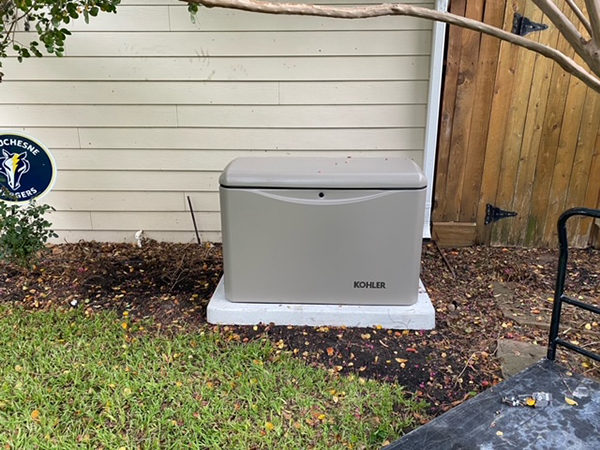
Fast, Certified Installation Services Available Today
Installing a permanent standby generator is a complex electrical and mechanical construction project that requires strict adherence to safety standards. We manage the entire lifecycle of the installation to ensure your system meets all local codes and operates safely.
The installation process generally follows a structured timeline to get your power secured as quickly as possible:
- Site Assessment and Sizing: A technician evaluates your electrical load requirements. We calculate the starting wattage for heavy appliances like air conditioners to ensure the generator is sized correctly. Undersizing a unit can lead to system failures, while oversizing wastes fuel and capital.
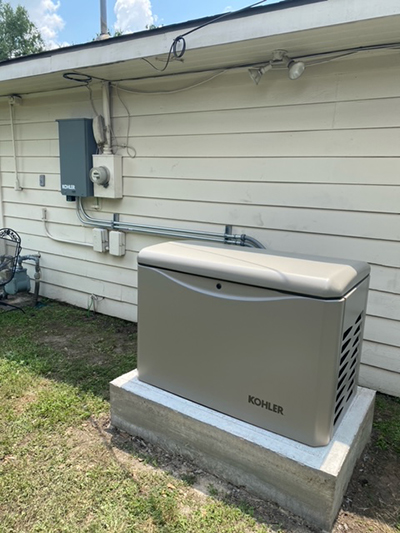
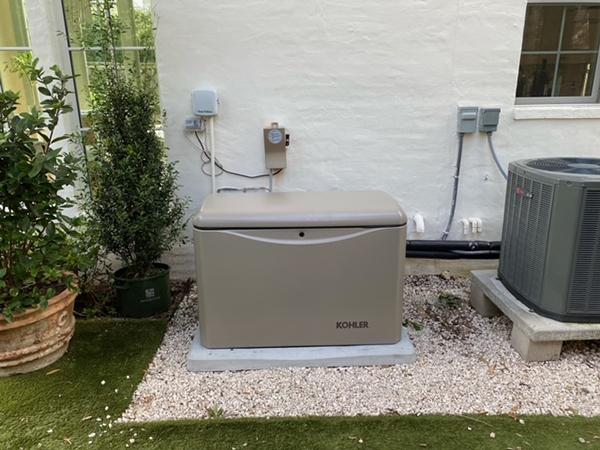
- Placement and Pad Preparation: We identify the optimal location for the unit. This spot must meet specific setbacks from windows, doors, and property lines to comply with fire codes and noise ordinances. A concrete or composite pad is prepared to provide a stable, level foundation that prevents sinking or vibration issues.
- Utility Connection: The generator requires a connection to a fuel source. For natural gas, this involves plumbing a line from the meter to the generator. For propane, we connect to an existing tank or coordinate the installation of a new one.
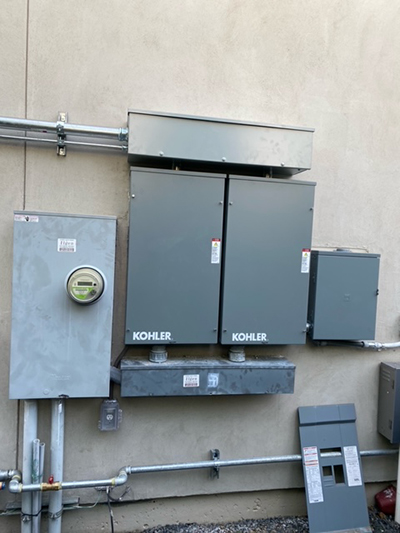
- Electrical Integration: This is the most critical step. We install the Automatic Transfer Switch (ATS) near your main breaker panel. This device acts as the brain of the system, preventing back-feeding electricity into the utility lines—which is dangerous for utility workers—and managing the power flow to your home.
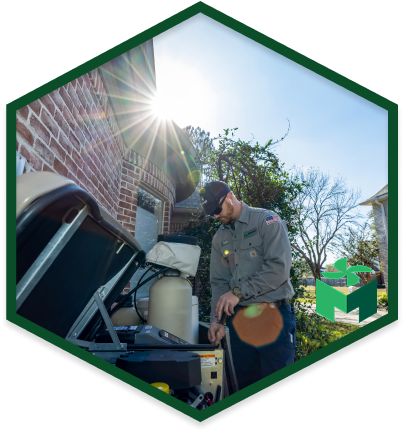
- Activation and Commissioning: Once physical installation is complete, the manufacturer requires a specific startup procedure. We check oil levels, battery voltage, and frequency outputs. We simulate a power outage to verify that the transfer switch triggers correctly and the generator accepts the load without hesitation.
Our Comprehensive Generator Service Explained
A standby generator is an engine-driven machine that requires regular maintenance to perform correctly during an emergency. Just like a car engine, the oil degrades, filters clog, and batteries lose their charge over time. Neglecting maintenance is the leading cause of generator failure during a storm.
Our service protocols are designed to keep your Kohler unit in factory-grade condition. We focus on preventative measures that identify potential issues before they prevent the unit from starting.
Standard maintenance visits typically include the following technical checks — browse our specials today:
- Fluid Analysis and Replacement: We drain and replace the engine oil and replace the oil filter. We also check the coolant levels (for liquid-cooled units) to prevent overheating during long run times in the Texas heat.
- Air Intake and Fuel System: The air filter is inspected and replaced if necessary to ensure proper combustion. We inspect fuel lines for dry rot or leaks and check gas pressure to ensure the engine receives the correct volume of fuel under load.
- Battery Testing: The starting battery is the most common failure point. We test the battery’s load capacity, clean the terminals to remove corrosion, and check the charging system to ensure the battery remains fully charged between outages.
- Firmware Updates: Modern Kohler generators utilize digital controllers. We check for and install the latest firmware updates to ensure the logic board operates efficiently and benefits from manufacturer improvements.
- Exercise Cycle Verification: Generators are programmed to run for a short period weekly or bi-weekly. We verify this schedule is set correctly and that the unit is not exercising at inconvenient times, such as the middle of the night.
Choosing Between Generator Replacement & Repair
Homeowners and facility managers often face the decision of whether to repair an aging unit or invest in a modern replacement. This decision relies on several factors, including the age of the unit, the availability of parts, and the cost of the repair relative to a new warranty-backed machine.
Consider replacement if you encounter the following scenarios:
- Age and Parts Availability: If your generator is over 10 to 12 years old, parts may be becoming obsolete. Manufacturers eventually stop supporting legacy controllers and engine components. If a critical part like the main control board fails and is no longer manufactured, replacement is the only viable option.
- Major Component Failure: If the stator, rotor, or engine block has failed, the cost of labor and parts often approaches 50% or more of the cost of a new unit. In these cases, investing in a new system with a fresh 5-year or 10-year warranty is financially more prudent.
- Increased Power Needs: If you have added significant electrical loads to your property since the original installation—such as a new HVAC unit, EV charger, or pool pump—your current generator may be undersized. Repairing an undersized unit will not solve the capacity issue. A replacement allows you to resize the system to match your current demand.
Consider repair if the unit is relatively new and the issue is minor:
- Routine Wear Items: Issues with batteries, starter motors, or sensors are routine repairs. These components are consumables or high-wear items and do not indicate that the entire machine is at the end of its life.
- Warranty Coverage: If the unit is still under the manufacturer’s warranty, repair is almost always the correct path, as the cost of parts and often labor will be covered.
Local Regulations & Seasonal Considerations for Houston
Installing a generator in this region requires navigating specific regulatory and environmental challenges. Houston and the surrounding areas have strict building codes designed to ensure safety during flood events and high winds.
Permitting and Electrical Codes
Before any work begins, permits must be pulled from the local building department. This ensures that the gas plumbing meets code requirements for pressure and material, and that the electrical work adheres to the National Electrical Code (NEC). Inspectors will verify that the transfer switch is grounded correctly and that the generator is not placed too close to operable windows, which could allow carbon monoxide to enter the home.
Flood and Wind Ratings
Given the risk of hurricanes, equipment must be installed to withstand high winds. Kohler generators feature corrosion-resistant enclosures, often made of composite materials that do not rust in humid, salty air. For properties in flood-prone zones, local codes may require the generator to be elevated on a concrete platform or a custom metal stand to ensure it remains above the base flood elevation.
Noise Ordinances
Municipalities often have strict noise ordinances regarding mechanical equipment. Kohler generators are engineered for quiet operation, but placement is still key. We strategically position the unit to minimize noise impact on your living areas and your neighbors, ensuring compliance with local decibel limits at the property line.
Seasonal Preparation
The Atlantic hurricane season runs from June through November. We recommend scheduling maintenance in early spring. This ensures that any necessary repairs are completed, and the unit is fully operational before the high-risk season begins. During a storm, utility crews cannot repair the grid until wind speeds drop, meaning your generator may need to run continuously for days. Ensuring it has fresh oil and a healthy battery before the storm hits is vital.
Why Choose Us: Expertise and Trust in Generator Services
Selecting the right partner for your generator installation is as important as selecting the brand of the generator itself. Improper installation can void warranties, create fire hazards, and fail when you need it most.
We provide a turnkey experience that removes the administrative and technical burden from the property owner.
- Factory Certified Technicians: Our team undergoes rigorous training directly from Kohler. We understand the specific nuances of these machines, from the proper gas pressure settings to the intricate programming of the digital controllers. This certification allows us to perform warranty work and ensures that your installation meets the manufacturer’s strict standards.
- Local Grid Knowledge: We understand the specific voltage fluctuations and grid configurations common in the Houston area. This local knowledge helps us configure the sensitivity of your transfer switch to prevent nuisance tripping while ensuring the generator catches legitimate power failures instantly.
- Focus on Long-Term Reliability: We do not just install and leave. We view the installation as the beginning of a long-term relationship to keep your power secure. Our focus is on the lifecycle of the equipment, providing the maintenance and support necessary to get 15 to 20 years of service out of your investment.
- Transparent Communication: You will receive clear explanations of what your generator can and cannot power, how the fuel consumption works, and what the maintenance requirements will be. We believe in educating our clients so they are fully prepared for an outage.
When the grid goes down, your safety depends on the quality of your backup system. Mackey Services is dedicated to providing robust power solutions that keep your lights on and your family safe.