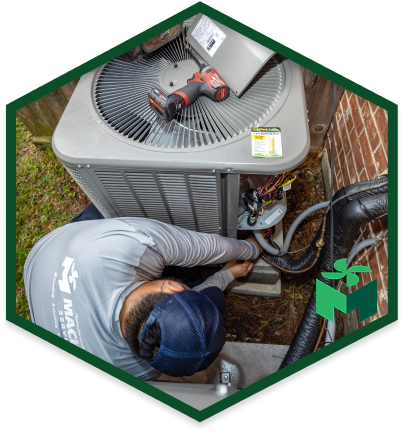
What You Get Today: Scope, Timeline, and Execution
When you request service, the objective is to move from a state of failure to a state of resolution in the shortest possible timeframe. We have structured our service delivery to minimize downtime and maximize clarity.
Immediate Assessment and Upfront Scoping
Upon arrival, a technician performs a thorough evaluation of the affected system. For HVAC issues, this involves gauging pressures, temperatures, and electrical draw. For electrical issues, this involves circuit testing and load analysis. You receive a detailed report of the findings. We do not proceed with guesswork; we proceed with data.
Inventory and Truck Stock
Efficiency relies on availability. Our service vehicles are stocked with the most common failure components, including contactors, breakers, fuses, capacitors, and universal motors. This preparation allows us to complete a significant percentage of repairs on the initial visit, eliminating the wait time associated with ordering standard parts.
Transparent Pricing Structure
Before a tool is lifted for the actual repair, you are presented with the total cost of the job. This includes labor, parts, and any necessary permits. This flat-rate pricing model protects you from the uncertainty of hourly billing. You pay for the solution, not the time it takes to diagnose it.
How Installation and Replacement Works
There comes a point where repair is no longer the most economical or safe option. Whether you are upgrading an electrical panel to handle modern appliances or replacing an aging HVAC unit to lower energy bills, our installation process is rigorous and standardized.
- Load Calculation and Sizing: We do not simply swap equipment like-for-like. For HVAC, we perform Manual J load calculations to determine the exact cooling and heating requirements of your specific floor plan. For electrical work, we calculate the total amperage load to ensure your main service panel can support new additions like EV chargers or hot tubs.
- System Selection: We help you navigate the technical specifications of modern equipment, explaining the benefits of variable-speed compressors, SEER2 efficiency ratings, and smart electrical panels.
- Site Preparation and Protection: Our team respects your property. We use drop cloths and protective shoe covers. We also ensure the installation area is prepared, which may involve modifying the plenum for HVAC or clearing wall space for electrical panels.
- Code-Compliant Installation: All work is performed according to the National Electrical Code (NEC) and local mechanical codes. This includes proper grounding, bonding, and refrigerant handling.
- Final Commissioning and Walkthrough: Once installed, we test the system under load. We verify airflow, check voltage drops, and ensure thermostats are calibrated. We then walk you through the operation of your new system and answer any technical questions.
When Replacement Beats Repair: A Decision Guide
Deciding between repairing an existing system or investing in a replacement is a financial calculation. We help you make this decision based on the specific condition of your equipment and the expected return on investment — check current specials for replacement deals.
- The 50% Rule: If the cost of the repair approaches 50% of the value of a new system, replacement is generally the smarter financial move. This prevents you from sinking money into a dying asset.
- Age vs. Efficiency: An HVAC unit over 10 years old with a major failure (like a blown compressor) is rarely worth fixing. Newer units offer significantly higher efficiency ratings, which can offset the monthly cost of a new system through utility savings.
- Safety Considerations: In electrical systems, if a panel utilizes obsolete technology (such as certain federal pacific panels) or lacks a main breaker, repair is insufficient. Replacement is necessary for the safety of the structure. Similarly, a cracked heat exchanger in a furnace is a non-negotiable replacement scenario due to health risks.
- Frequency of Breakdowns: If you have required repairs more than twice in the last year, the system has become unreliable. Continued repairs are likely to cost more cumulatively than a financing payment on a new, warranted unit.
Local Considerations: Permits, Utilities, and Climate Factors
Operating in Kemah and the greater Texas region requires specific attention to environmental factors and local regulations. Mackey Services ensures that every job accounts for these local variables to ensure longevity and compliance.
Managing High Humidity and Salt Corrosion
The coastal environment presents a unique challenge: corrosion. Standard equipment can degrade rapidly when exposed to salt air. We recommend and install equipment with enhanced corrosion protection for outdoor condenser coils. Furthermore, humidity control is not a luxury here; it is a necessity. We size AC units to ensure they run long enough to effectively dehumidify the air, preventing mold growth and ensuring comfort.
Navigating Local Building Codes and Permits
Electrical and HVAC work involves significant alterations to your home’s infrastructure. Most panel upgrades, circuit installations, and unit replacements require a permit from the city. We handle the administrative burden of pulling permits and scheduling city inspections. This ensures that when you go to sell your home, there are no undocumented alterations that could derail the sale.
Seasonal Efficiency and Utility Integration
Texas energy markets are unique. We advise on systems that maximize efficiency during peak demand hours. Additionally, we stay informed about local utility rebate programs. High-efficiency heat pumps and modern electrical upgrades often qualify for incentives that can lower the net cost of installation. We provide the necessary documentation to help you claim these benefits.
Proof of Capability and Service Excellence
Selecting a service provider is a decision based on trust and technical competence. Our position in the market is built on a foundation of verified skills and consistent delivery — read our reviews today.
- Licensing and Certification: We hold state licenses for both HVAC and electrical work. This dual capability allows us to handle complex projects, such as installing a standby generator or a mini-split system, without sub-contracting.
- Technical Training: The industry evolves rapidly. Our team undergoes regular training on the latest inverter technology, smart home integration, and code updates.
- Comprehensive Warranties: We stand behind our workmanship. Our installations come with robust labor warranties in addition to the manufacturer’s parts warranty, ensuring you are covered if an issue arises post-installation.