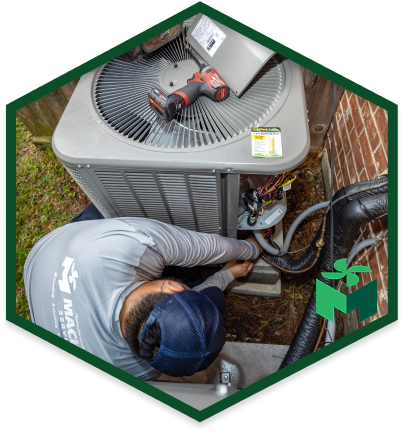
Our Services: Fast Response, Quality Work
Maintaining a functional home requires a dual approach: ensuring your electrical system can handle modern power demands and verifying your HVAC system can combat external temperatures.
Comprehensive HVAC Solutions
Your heating and cooling systems are the primary defense against uncomfortable weather. Professional service covers the entire lifecycle of this equipment, from optimizing airflow to replacing major components.
- Air Conditioning Repair and Maintenance: Technicians address common failures such as refrigerant leaks, sensor malfunctions, and drainage blockages. Regular maintenance includes cleaning condenser coils and checking coolant levels to ensure the unit runs efficiently during peak heat.
- Heating System Services: While winters are mild, a functional heater is essential for the occasional freeze. Services include inspecting heat exchangers for cracks, testing ignition systems, and calibrating thermostats for accurate temperature control.
- Indoor Air Quality (IAQ) and Dehumidification: controlling humidity is vital in this region. Solutions include the installation of whole-home dehumidifiers and advanced filtration systems to remove allergens and prevent mold growth within ductwork.
- Ductwork Inspection and Sealing: Leaky ducts can lead to significant energy loss. Professionals inspect duct systems for tears or disconnects, sealing them to ensure conditioned air reaches living spaces rather than leaking into attics or crawlspaces.
Essential Electrical Services
Electrical work demands precision and strict adherence to safety protocols. Services range from minor fixture updates to major infrastructure overhauls.
- Panel Upgrades and Replacements: Modern homes with high-consumption appliances often require more power than older panels can provide. Upgrading your breaker box ensures your system can handle the load without tripping or overheating.
- Wiring and Rewiring: Technicians identify and replace outdated aluminum wiring or knob-and-tube systems that pose fire risks. This also includes installing dedicated circuits for heavy-duty appliances like dryers or EV chargers.
- Lighting Design and Installation: This covers the installation of energy-efficient LED recessed lighting, under-cabinet lighting, and security floodlights. Proper installation ensures switches and dimmers function correctly without flickering.
- Safety Inspections and Surge Protection: Comprehensive audits of the electrical system identify code violations. Whole-home surge protection is also installed to guard expensive electronics against spikes caused by storms or grid fluctuations.
Seamless Installation Process from Start to Finish
Whether you are installing a new central air unit or rewiring a kitchen renovation, the installation process must be methodical to ensure longevity and safety. A professional approach eliminates guesswork and ensures that every component is sized and fitted correctly for your specific property layout.
- Initial Assessment and Load Calculation: The process begins with a detailed evaluation of the home. For HVAC, this involves a Manual J load calculation to determine the exact cooling and heating capacity required based on square footage, insulation levels, and window orientation. For electrical work, technicians calculate the total amperage load to determine if the current service panel is sufficient.
- System Selection and Design: Based on the assessment, options are presented that align with energy efficiency goals and budget. This includes selecting the right SEER rating for AC units or the correct amperage for electrical panels. The design phase plans out wire routing, duct placement, and equipment location.
- Permitting and Compliance: Before physical work begins, necessary permits are secured from local municipalities. This step ensures that the planned work complies with all city and state building codes.
- Site Preparation and Protection: Technicians prepare the workspace, laying down drop cloths and ensuring safety measures are in place. For replacements, the old equipment is safely disconnected and removed for proper disposal, adhering to environmental regulations regarding refrigerant and electronic waste.
- Installation and Connection: The new system is installed according to manufacturer specifications. In HVAC, this involves connecting refrigerant lines, electrical whips, and drain lines. In electrical projects, this involves running new conduit, terminating wires at devices and the panel, and labeling circuits clearly.
- Testing and Commissioning: Once installed, the system undergoes rigorous testing. HVAC units are checked for proper airflow, temperature split, and pressure. Electrical circuits are tested for voltage drop, grounding, and polarity.
- Final Walkthrough: The process concludes with a demonstration of the new system. You receive instructions on how to operate thermostats or reset breakers, along with maintenance tips to keep the equipment running smoothly.
Deciding Between Repair or Replacement: What You Need to Know
One of the most difficult decisions for a homeowner is knowing when to stop repairing an aging system and invest in a new one. While repairs can solve immediate issues, there is a tipping point where replacement becomes the more strictly economical and practical choice. Making this decision requires analyzing the age, condition, and performance history of your current setup.
HVAC Decision Factors
- The 50% Rule: A general guideline used by industry professionals is the 50% rule. If the cost of the repair approaches 50% of the value of the system, or 50% of the cost of a new unit, replacement is usually the smarter financial move.
- System Age: The average lifespan of an air conditioner in a hot climate is typically 10 to 15 years. If your unit is over 10 years old and requires a major component like a compressor, investing in a new, high-efficiency system often pays for itself through lower utility bills — check our specials today.
- Refrigerant Type: Older systems utilizing R-22 (Freon) are becoming prohibitively expensive to repair due to the phase-out of this refrigerant. If an R-22 system develops a leak, replacement is almost always the only viable option.
- Frequency of Breakdowns: If you find yourself calling for service multiple times a year, the cumulative cost of service fees and parts is likely exceeding the monthly payment of a financed new system.
Electrical Decision Factors
- Safety and Hazard Prevention: Unlike HVAC, where comfort is the main concern, electrical decisions often revolve around safety. If your home has an older Fuse box, Federal Pacific, or Zinsco panel, these are known fire hazards and should be replaced regardless of their current operational status.
- Capacity Limitations: If you cannot run the microwave and the toaster simultaneously without tripping a breaker, your system is undersized. Mackey Services can assess your current load and recommend a panel upgrade to accommodate modern electrical needs.
- Lack of Grounding: Older two-prong outlets often indicate a lack of grounding throughout the house. Rewiring is necessary to protect modern sensitive electronics and appliances.
- Flickering Lights and Warm Outlets: These are symptoms of loose connections or deteriorating wiring behind the walls. If these issues persist after minor repairs, a partial or full rewire may be necessary to ensure the structural integrity of the home.
Local Compliance and Standards for Installation and Repair
Operating in this region requires more than just general technical knowledge; it requires a deep understanding of local environmental challenges and regulatory requirements. Standards for electrical and HVAC work are dictated by safety, energy efficiency, and the specific demands of the Gulf Coast climate.
Managing High Humidity and Heat
The climate in League City is characterized by intense heat and high humidity. Standard installation practices used in drier climates will fail here.
- Sizing for Humidity Control: An oversized AC unit will cool a home too quickly without running long enough to remove humidity. This results in a “clammy” indoor environment and promotes mold growth. Systems must be sized precisely to balance temperature drop with run-times that effectively dehumidify the air.
- Insulation and Vapor Barriers: Ductwork in attics must be heavily insulated to prevent sweating, which can lead to ceiling damage. Electrical penetrations through exterior walls must be sealed tightly to prevent humid air from entering wall cavities and corroding wiring connections.
Hurricane and Storm Preparedness
The threat of tropical storms and hurricanes impacts how electrical and mechanical systems are installed.
- Backup Power Solutions: There is a high demand for standby generator installations. These systems must be installed with automatic transfer switches that isolate the house from the grid (anti-islanding) to protect utility workers while keeping essential home circuits powered.
- Elevation and Anchoring: HVAC condensers must be securely anchored to concrete pads to withstand high winds. In flood-prone zones, equipment may need to be elevated on stands to prevent water damage during storm surges.
- Surge Protection: Lightning strikes and grid instability are common during storms. Whole-home surge protection is a critical defense layer installed at the main panel to divert excess voltage away from the home’s wiring.
Regulatory Adherence
All work must comply with the National Electrical Code (NEC) and the International Mechanical Code (IMC), as adopted and amended by local jurisdictions.
- Permitting: Any significant electrical alteration or HVAC replacement requires a permit. This process triggers a third-party inspection by the city, providing an extra layer of verification that the work meets safety standards.
- Efficiency Standards: New HVAC installations must meet minimum SEER2 (Seasonal Energy Efficiency Ratio) requirements mandated for the southern region. This ensures that new systems contribute to energy conservation and lower grid strain.
Why Choose Mackey? Certified Expertise and Guaranteed Satisfaction
Selecting a service provider is a decision that impacts the safety and comfort of your home for years. The difference between a temporary patch and a permanent solution lies in the training and integrity of the technicians performing the work. You need a partner who prioritizes technical accuracy and customer transparency over quick sales.
- Licensed and Insured Professionals: Every technician undergoes rigorous background checks and holds the necessary state licenses to perform electrical and HVAC work. Liability insurance and workers’ compensation coverage protect your property and finances during every project.
- Continuous Training: Technology in the HVAC and electrical fields changes rapidly. Teams receive ongoing training on the latest inverter-driven compressors, smart home automation, and evolving safety codes to provide cutting-edge solutions.
- Fully Stocked Service Vehicles: Trucks are mobile warehouses stocked with common parts, allowing for same-day repairs on most standard issues. This minimizes the need for follow-up visits and gets your system back online faster.
- Upfront, Flat-Rate Pricing: There are no hourly guessing games. Diagnostics are performed first, and a clear price is presented for the repair or installation before any work begins. You know exactly what the cost will be, regardless of how long the job takes.
- Warranties You Can Trust: Labor and parts are backed by strong warranties. If an issue recurs after a repair, the team returns to make it right at no extra cost.
When you need decisive action for your home’s critical systems, rely on a team that combines technical precision with local dedication. From restoring power after a storm to ensuring your AC can handle the July heat, the focus remains on your safety and comfort.