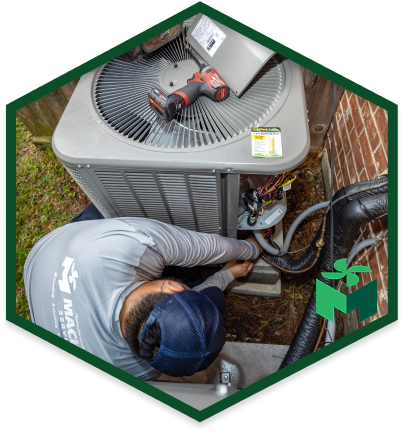
The Service Protocol: From Diagnosis to Final Inspection
Professional service is defined by a rigorous process that eliminates guesswork. We do not apply band-aid fixes; we follow a structured protocol to ensure the repair or installation is performed correctly the first time.
- Initial Assessment and Safety Check: Upon arrival, the technician performs a site safety evaluation. For electrical work, this involves testing live circuits. For HVAC, it involves checking pressures and temperatures.
- Root Cause Diagnosis: We utilize diagnostic tools such as multimeters, manometers, and thermal imaging to identify not just the symptom, but the underlying cause of the failure.
- Clear Proposal and Authorization: Before any work begins, you receive a detailed explanation of the problem and the proposed solution. We explain the scope of work so you understand exactly what is being done.
- Execution and Code Compliance: Work is performed according to manufacturer specifications and local building codes. This includes pulling necessary permits for panel changes or full system replacements.
- System Testing and Verification: After the repair or install, we test the system under load. We verify airflow, check voltage stability, and ensure no gas or refrigerant leaks are present.
- Site Cleanup and Walkthrough: We respect your property by removing all debris and old equipment. We then walk you through the operation of your new or repaired system.
Critical Decision Factors: Repairing vs. Investing in New Systems
Homeowners frequently face the dilemma of whether to repair an aging unit or invest in a replacement. Making the right choice depends on technical factors, financial logic, and safety considerations. We help you navigate this decision with objective criteria.
The 50% Investment Rule
A standard industry benchmark is the 50% rule. If the cost of the repair approaches 50% of the value of a new system, replacement is generally the smarter financial move. Investing heavy capital into an old system that may fail again in six months is rarely cost-effective — check our specials for replacement deals.
Equipment Age and Life Expectancy
HVAC systems in this climate typically last 10 to 15 years due to the heavy workload. If your heat pump or air conditioner is over 12 years old and requires a major component like a compressor, replacement offers better long-term value. Similarly, electrical panels over 25 years old may not be compatible with modern breakers and safety devices.
Efficiency and Monthly Costs
Newer systems offer significantly higher efficiency ratings.
- SEER2 Ratings: Modern AC units have higher SEER2 ratings, which can lower electricity bills by 20% to 40% compared to units from a decade ago.
- Variable Speed Technology: Newer furnaces and air handlers often use variable speed motors that run quieter and use less energy than single-stage motors.
- Smart Electrical Management: Modern electrical panels allow for consumption monitoring, helping you identify energy hogs in the home.
Safety and R-22 Availability
Older AC units utilizing R-22 refrigerant are becoming prohibitively expensive to repair due to the phase-out of this chemical. If your system leaks R-22, replacement is almost always the only viable option. On the electrical side, if your panel is a brand known for failure (such as Federal Pacific or Zinsco), immediate replacement is recommended for fire safety, regardless of whether a breaker has tripped yet.
Navigating Houston’s Climate Challenges and Building Regulations
Operating in this specific region requires an understanding of distinct environmental stressors and regulatory requirements. Standard solutions often fail here because they do not account for the extreme humidity or the specific electrical codes adopted by local municipalities.
Managing Extreme Humidity
The primary challenge in this area is latent heat—the moisture in the air. An HVAC system must be correctly sized to run long enough to dehumidify the home.
- Oversizing Issues: An oversized unit will cool the air too quickly and shut off before removing humidity, leading to a clammy, uncomfortable indoor environment. We perform Manual J load calculations to ensure precise sizing.
- Dehumidification Add-ons: For many homes, we recommend whole-home dehumidifiers or two-stage cooling systems that run at lower speeds to pull more moisture from the air.
Electrical Code Compliance and Permits
Local building departments enforce strict adherence to the National Electrical Code (NEC). Unpermitted work can lead to fines, insurance claim denials, and safety hazards.
- Permit Requirements: Major electrical work, such as a service panel upgrade or rewiring, requires a permit and inspection by the city. We handle all administrative tasks to ensure your project is legal and documented.
- Weatherproofing: Outdoor electrical components, such as disconnect boxes and meter cans, must be rated for severe weather impact and water intrusion, common during hurricane season.
Heating During Freezes
While heat is used less frequently, the grid instability during freezes makes gas furnaces and generator backups vital.
- Gas Safety: We verify that gas furnaces have proper ventilation and sediment traps to prevent blockage and exhaust back-drafting during operation.
- Heat Pump Defrost Cycles: We ensure heat pump defrost boards are functioning so the outdoor unit does not turn into a block of ice during rare freezing rain events.
Technical Precision and Licensed Expertise You Can Trust
The difference between a lasting repair and a recurring headache often comes down to the skill level of the technician. We prioritize technical training and certification to ensure every job meets the highest industry standards.
Diagnostic Accuracy
We utilize advanced diagnostic equipment to read system pressures, subcooling, superheat, and electrical resistance with precision. This data-driven approach allows us to pinpoint issues that visual inspections miss. Correct diagnosis prevents the “parts cannon” approach where technicians guess at repairs at your expense.
Electrical Load Calculations
Adding a new hot tub, EV charger, or high-capacity AC unit requires a load calculation to ensure your main service panel can handle the amperage. We perform these calculations before installation to prevent main breaker trips and potential fire hazards associated with overloaded circuits.
Airflow and Ductwork Integrity
Even the best HVAC equipment will fail if the ductwork is compromised. We inspect ductwork for leaks, kinks, and disconnects. Proper static pressure is essential for the longevity of the blower motor and the compressor. We modify plenum boxes and transition ducts to maximize airflow and system efficiency.
Commitment to Safety
Electrical and HVAC work involves high voltage, flammable gases, and high-pressure refrigerants. Our team is trained in safety protocols to protect your home and family. We use drop cloths, wear shoe covers, and ensure the workspace is left cleaner than we found it.