How the Electrical Wiring Process Works
Understanding the sequence of events during a wiring project helps eliminate anxiety about home disruption. Professional electrical work follows a strict, logical progression to ensure safety and code compliance at every stage. The process begins with a detailed load calculation and site map. Technicians verify the capacity of your main electrical panel to ensure it can support new circuits. If the panel is maxed out, a sub-panel or service upgrade may be identified as a necessary first step.
- First, the area is prepared for access. For new construction or open remodels, this is known as the “rough-in” phase. Electricians drill holes through studs and run the cabling from the main panel to the various boxes for switches, outlets, and fixtures. In finished homes, this step involves strategic access points to fish wire through walls, attics, or crawl spaces to minimize drywall repair.
- Next, the wiring is secured and terminated at the boxes. This involves stripping the wire insulation to the correct length and connecting the conductors to the device terminals or splicing them together. Proper grounding is established at every box to ensure a continuous path to ground, which is critical for safety.
- Following the rough-in and termination, a rough inspection is typically performed if a permit is involved. This allows a municipal inspector to verify that wire sizing, box fill calculations, and routing meet the National Electrical Code (NEC) before walls are closed up or devices are fully installed.
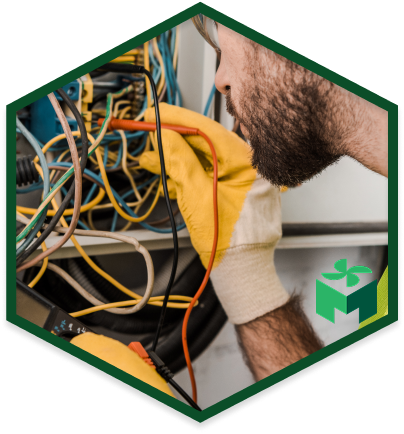
- Finally, the “trim-out” phase occurs. Switches, outlets, and light fixtures are installed and cover plates are attached. The system is energized, and technicians perform rigorous testing. They check for proper polarity, voltage drop, and ground fault protection operation. The job concludes with a final walkthrough to demonstrate functionality and label the electrical panel clearly.
When to Choose Rewiring Over Repair
Deciding between a quick repair and a partial or full rewire is a critical financial and safety decision. While repairs can fix immediate symptoms, they often fail to address the underlying systemic issues inherent in aging electrical systems. There are distinct scenarios where replacement is the only responsible choice for long-term safety and insurance compliance.
One primary trigger for rewiring is the presence of cloth-sheathed wiring or Knob and Tube wiring. These systems, common in homes built before the 1950s, lack a ground wire and possess insulation that becomes brittle and cracks over time. This exposes live wires to combustible materials inside your walls. No amount of patching can make these systems safe for modern usage; they require complete removal and replacement with modern non-metallic (NM) cable.
Aluminum wiring, frequently used in the 1960s and 1970s, presents another replacement criteria. Aluminum expands and contracts with heat differently than the copper connectors used on most outlets and switches. Over time, these connections loosen, creating gaps that lead to arcing and potential fires. While specialized pig-tailing repairs exist, a full copper rewire eliminates the maintenance burden and safety risk entirely.
Frequent usage issues also signal the need for replacement. If you rely on power strips because there are too few outlets, or if using the microwave and vacuum simultaneously trips a breaker, your system is inadequate. Adding a new outlet to an already overloaded circuit is a code violation and a safety hazard. In these cases, running new, dedicated home run circuits from the panel is the necessary solution to distribute the electrical load evenly and safely.
Navigating Local Codes, Permits, and Climate Factors
Electrical work in Pearland and the greater Texas region is subject to specific environmental and regulatory conditions that influence how wiring is installed. The intense Texas heat puts significant thermal stress on electrical components, particularly those located in attics or on exterior walls. Wiring installed in these high-heat zones must be rated for higher temperatures to prevent insulation degradation. Furthermore, the high demand for air conditioning means that electrical panels must often sustain near-peak loads for months at a time, requiring impeccable bus bar connections and properly torqued breakers.
- Permitting and Compliance: Major electrical work, including service upgrades and new circuit installations, generally requires a permit from the local building department. This is a protective measure for the homeowner. It ensures a third-party inspector verifies the work meets the NEC. Professional electricians handle the permit application, scheduling, and meeting with inspectors, ensuring the project moves forward without legal or administrative hurdles.
- Aluminum and Copper Considerations: Local amendments to the electrical code may dictate specific requirements for grounding and bonding, especially in areas with specific soil conditions affecting earth grounding systems. Professionals stay updated on these local amendments to ensure your home passes inspection and remains insurable.
- Weather Protection: For outdoor wiring, such as landscape lighting, pool equipment, or generator hookups, using materials rated for wet locations is non-negotiable. The humidity and potential for heavy rain require the use of NEMA-rated enclosures and UF-B (Underground Feeder) cable or conduit to prevent moisture ingress that causes short circuits.
Electrical Safety Technologies and Upgrades
Modern wiring is about more than just delivering power; it is about delivering power intelligently and safely. Upgrading your home’s wiring provides the opportunity to integrate advanced safety technologies that were likely not available when your home was built. These technologies actively monitor the flow of electricity and shut down circuits milliseconds before a hazardous event occurs.
Ground Fault Circuit Interrupters (GFCIs) are mandatory in wet areas like kitchens, bathrooms, garages, and outdoors. They detect imbalances between the hot and neutral wires—essentially detecting if electricity is leaking to a person or water—and cut the power instantly to prevent electrocution. While older homes may have some GFCIs, a wiring upgrade ensures they are present in all code-mandated locations.
Arc Fault Circuit Interrupters (AFCIs) provide a different layer of protection. Unlike breakers that trip on overload, AFCIs detect dangerous arcing conditions—tiny sparks caused by loose connections or nails driven into wires behind drywall. These arcs are a leading cause of electrical fires. Modern code often requires AFCI protection for bedrooms and living areas, creating a fire-prevention shield around the entire home.
Whole-home surge protection is another critical upgrade often paired with wiring services. With the grid fluctuations and lightning storms common in the region, voltage spikes can destroy sensitive appliances and circuit boards in seconds. Hardwired surge protection at the main panel acts as a gatekeeper, diverting excess voltage into the ground before it can enter your home’s internal wiring network.
Why Professional Execution Matters
Electrical wiring is not a domain for trial and error. The complexity of calculating box fill, voltage drop, and amperage loads requires formal training and certification. A “handyman” approach to electrical work often results in code violations that are uncovered during home inspections for real estate transactions, leading to costly rework or lost sales. Furthermore, improper wiring is a leading cause of residential fires.
Hiring licensed professionals guarantees that the materials used—from the gauge of the wire to the rating of the connectors—are appropriate for the specific application. It ensures that cables are supported at correct intervals, preventing strain on connections. It also ensures that all work is performed with the end-user in mind, placing outlets and switches at convenient, accessible heights and ensuring logic in how circuits are grouped on the breaker panel.
Professional service includes transparency regarding the scope of work. You receive a clear explanation of what walls need to be opened, how the circuits will be routed, and a timeline for completion. There are no guesses regarding the final cost; pricing is upfront based on the job, not an hourly estimate that can balloon unexpectedly. Warranties on labor and parts provide peace of mind that the investment in your home’s infrastructure is protected long after the trucks roll away.