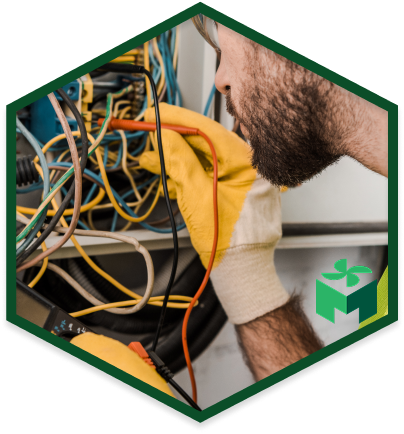
The Installation and Rewiring Process
Understanding the workflow of a major electrical project helps homeowners prepare for the work ahead. A professional wiring job is systematic, prioritizing safety and minimal disruption to your daily life. Mackey Services follows a structured approach to ensure every connection is secure and every circuit is balanced.
- Initial Site Evaluation and Load Calculation
The process starts with a physical inspection of the property. Electricians calculate the total electrical load based on the square footage and the appliances currently in use. This step determines if the main service panel can handle the existing demand or if a heavy-up (service upgrade) is necessary before running new wires.
- Permitting and Code Compliance
Before a single wire is cut, necessary permits are pulled from local municipal departments. This step is critical for insurance purposes and future property sales. It ensures that the planned work meets the National Electrical Code (NEC) and any specific local amendments regarding safety and materials.
- Preparation and Protection
Work areas are prepped to protect furniture and flooring. In cases of rewiring, electricians map out the least invasive routes for running cables behind walls, through attics, or within crawl spaces. The objective is to fish wires through existing cavities whenever possible to minimize drywall repair.
For new installations or renovations, this phase involves mounting boxes for outlets and switches and pulling the new cabling (typically non-metallic sheathed cable like Romex) to these locations. Wires are stapled and secured according to code requirements to prevent damage.
Once the wiring is in place, devices are installed. This includes connecting switches, outlets, and light fixtures. At the main panel, circuits are terminated, and breakers are installed and clearly labeled. This organization is vital for future maintenance.
- Testing and Final Inspection
The system is energized and tested for continuity, proper voltage, and polarity. Every GFCI and AFCI device is tripped and reset to verify functionality. Finally, a municipal inspector reviews the work to close out the permit, officially certifying the safety of the installation.
Deciding Between Repair and Full Replacement
Homeowners often face the dilemma of whether to troubleshoot and fix specific electrical issues or to invest in a partial or full rewire. While spot repairs are cost-effective for minor issues, they can be a temporary bandage on a systemic problem — check our financing options for larger projects. Making the right decision depends on the age of the home, the type of wiring material present, and the frequency of electrical failures.
Indicators for Spot Repair:
- Isolated Outlet Failure: If a single outlet stops working due to a loose connection or internal mechanism failure, replacing the receptacle is usually sufficient.
- Damaged Fixture Wiring: If the heat from a light bulb has degraded the insulation on the wires immediately inside a specific fixture, that local wiring can often be trimmed back and repaired.
- Single Circuit Trip: If a breaker trips only when a specific hair dryer or vacuum is used, the issue may be an overloaded circuit rather than faulty wiring, requiring a dedicated circuit installation rather than a full rewire.
Indicators for Full Rewiring or Panel Replacement:
- Cloth-Insulated Wiring: Homes built before the 1960s may contain wiring with cloth insulation that becomes brittle and cracks over time, exposing live wires. This requires replacement.
- Aluminum Wiring: Used frequently in the 1960s and 70s, aluminum wiring expands and contracts differently than copper, leading to loose connections and high fire risk. Remediation or replacement is highly recommended.
- Ungrounded Systems: If your home relies primarily on two-prong outlets and lacks a grounding wire, sensitive modern electronics are at risk, and the risk of shock is higher.
- Persistent Flickering: If lights flicker throughout the house when a major appliance turns on, it indicates a system-wide capacity issue or a loose neutral wire at the service entry.
- Physical Damage: Evidence of rodent chewing, scorching on outlets, or melted insulation requires comprehensive investigation and likely replacement of the affected runs.
Local Considerations: Climate, Codes, and Permitting
Electrical work in Friendswood is influenced by specific regional factors that do not apply to other parts of the country. The high humidity and heat significantly impact how electrical materials age and perform, particularly in non-climate-controlled areas like attics and garages.
Climate Impact on Components
The extreme summer heat can cause ambient temperatures in attics to soar. Wiring run through these spaces must be rated for high temperatures. Furthermore, high humidity accelerates corrosion on contact points, particularly in outdoor breaker panels or service disconnects. Professional electricians in this region use corrosion-resistant materials and approved lubricants to protect conductive surfaces from the elements.
Storm Resilience and Surge Protection
Given the frequency of thunderstorms and the potential for hurricanes, reliable grounding and whole-home surge protection are not optional luxuries but necessities. Lightning strikes or grid fluctuations can destroy appliances and frying wiring insulation instantly. Local codes often emphasize robust grounding electrode systems to divert excess voltage safely into the earth.
Permitting and Inspections
Texas operates under adopted versions of the National Electrical Code (NEC). Local municipalities in the area strictly enforce these codes to ensure public safety. Work involving main service panels, running new circuits, or extensive rewiring legally requires a permit. Hiring a licensed contractor ensures that the burden of pulling permits and scheduling inspections is handled professionally. Unpermitted work can lead to fines, difficulties in selling the home, and the potential denial of insurance claims in the event of an electrical fire.
Ensuring Safety and Compliance Through Professional Service
Electrical wiring is the central nervous system of your home. When it functions correctly, it is invisible; when it fails, the consequences can be catastrophic. The complexity of calculating voltage drops, balancing loads across phases, and ensuring proper arc-fault protection requires specialized training and equipment.
Choosing a professional service ensures that the materials used are genuine and rated for the specific application. Counterfeit or substandard electrical products are a growing issue in the market, but licensed providers source materials from reputable supply houses. This guarantees that breakers will trip when they are supposed to and that wire insulation will not degrade prematurely.
Furthermore, professional electricians provide accurate labeling of your electrical panel. In an emergency, knowing exactly which breaker controls the kitchen, the furnace, or the garage can save valuable time. This level of detail and organization is a hallmark of quality workmanship — read our customer reviews.
Safety inspections are also a standard part of professional service calls. An electrician will often check the torque on main lugs and verify the integrity of the grounding system while onsite for other tasks. This proactive maintenance helps catch developing problems before they result in power loss or damage to property.