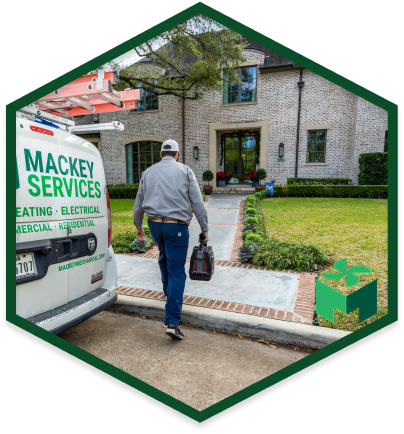
The Heating Repair Process: From Diagnosis to Comfort
Understanding how a professional repair is conducted helps homeowners feel confident in the work being performed. We utilize a structured approach to ensure no underlying issues are missed during the service call. This systematic process prevents callbacks and ensures the longevity of the repair.
- System Assessment: The technician begins by cycling the system to replicate the failure. This involves checking error codes on the furnace control board and measuring temperature differentials at the supply and return vents.
- Safety Inspection: Before any tools are used for repair, we check for gas leaks and carbon monoxide presence. Safety is the priority before functionality.
- Detailed Diagnostics: Using multimeters and manometers, we test electrical voltage, amperage draws on motors, and gas pressure. This data isolates the exact part that has failed.
- Transparent Explanation: You receive a clear explanation of what is broken, why it broke, and the specific cost to fix it. There are no hidden fees or surprise charges.
- Execution of Repair: The technician removes the faulty component and installs the new part. This often involves wiring, soldering, or mechanical adjustments.
- System Testing: After the part is installed, the system is run through a full heating cycle. We verify that the burner ignites smoothly, the blower engages at the right time, and the system shuts down properly without overheating.
- Site Cleanup: The workspace is left clean. Old parts and packaging are removed from your property.
Mackey Services adheres to this rigorous process on every service call to guarantee consistent, high-quality results for residents in the area.
Deciding Between Repair and Replacement
One of the most common questions homeowners face during a breakdown is whether to invest in a repair or opt for a full system replacement. This decision is financial and logistical. While our primary goal is to repair your existing equipment, there are specific scenarios where replacement is the more prudent economic choice. We provide the data you need to make this decision objectively.
The 50% Investment Rule
A widely accepted industry standard is the 50% rule. If the cost of the necessary repair approaches or exceeds 50% of the cost of a brand-new system, replacement is generally recommended — see current specials. Putting half the value of a new asset into an old, depreciating asset is rarely a sound investment.
System Age Considerations
Heating systems have a finite lifespan. Gas furnaces typically last 15 to 20 years, while heat pumps may last 10 to 15 years due to their year-round usage. If your unit is nearing the end of this window, a major repair (such as a compressor or heat exchanger replacement) may not be worth the cost. In contrast, if the unit is under 10 years old, repair is almost always the correct path unless the warranty has been voided.
Frequency of Breakdowns
Consider the repair history of the unit. If you have required professional service more than twice in the last two years, the system is becoming unreliable. Accumulating repair bills can quickly surpass the monthly cost of financing a new, high-efficiency system.
Safety Violations
If a technician discovers a cracked heat exchanger in a gas furnace, the unit must be shut down immediately due to the risk of carbon monoxide poisoning. In this specific scenario, replacement is often the only safe option, as replacing a heat exchanger is labor-intensive and costly, often rivaling the price of a new furnace.
Regional Factors Impacting Heating Systems
Operating a heating system in Pearland presents unique challenges compared to other regions. The local climate and regulatory environment dictate specific maintenance and repair requirements that homeowners should be aware of.
Humidity and Corrosion
While the region is known for hot summers, the high humidity levels persist year-round. This moisture content in the air can be detrimental to heating equipment, particularly if the unit is located in an attic or garage. Rust and corrosion can develop on electrical contacts, flame sensors, and within the burner assembly. Our repair services often involve cleaning oxidation from these critical points to restore electrical conductivity and proper firing.
Variable Winter Weather
The local climate is characterized by mild winters interspersed with sudden, sharp freezes. This variability puts significant stress on heating systems. A furnace may sit idle for weeks and then be forced to run at maximum capacity for several days straight. This “stop-start” usage pattern often exposes weak capacitors or igniters that fail under the sudden load. Preparing the system to handle these spikes in demand is a key part of our service approach.
Permitting and Regulations
Heating repairs, especially those involving gas lines or electrical modifications, are subject to local building codes. Major component replacements may require adherence to specific safety standards to maintain home insurance validity. We ensure that all repairs are compliant with current Texas regulations, ensuring your home remains safe and up to code.
Why Professional Execution Matters
Attempting DIY repairs on heating systems is dangerous and often ineffective. Modern high-efficiency furnaces and heat pumps utilize advanced electronics and proprietary algorithms that require specialized diagnostic tools. Professional service ensures that the heating system operates at its manufacturer-rated efficiency and safety levels.
Accurate Troubleshooting
Amateur diagnosis often leads to “parts changing,” where homeowners replace components at random hoping to fix the problem. This is expensive and inefficient. Professionals use schematics and diagnostic tools to pinpoint the exact failure, saving money on unnecessary parts.
Warranty Preservation
Most manufacturer warranties require proof of professional service. If a homeowner attempts a repair and damages a component, the warranty on the entire unit may be voided. Hiring a licensed technician ensures that your warranty coverage remains intact for future needs.
Carbon Monoxide Safety
Combustion analyzers are expensive, specialized tools used to detect invisible, odorless carbon monoxide leaks. A professional technician will always test for CO back-drafting during a repair. This step is vital for the safety of the household and is something that cannot be replicated without the proper equipment.
Electrical Safety
Heating systems operate on high-voltage electricity. Handling capacitors, relays, and circuit boards carries a risk of electrocution or causing electrical fires if connections are loose or improper wire gauges are used. Professionals are trained to handle high-voltage circuits safely and ensure all grounds are secure.
Ensuring Long-Term Reliability
Once a repair is completed, the focus shifts to maintaining that reliability. A repaired system should operate as smoothly as it did before the breakdown. We verify that airflow is balanced, temperature rise is within specification, and the thermostat is communicating correctly.
High-quality repair work extends the life of the system. By addressing the root cause of the failure—such as fixing a restricted duct that caused a blower motor to burn out—we prevent the same issue from recurring. This holistic approach to service protects your investment in your home’s comfort infrastructure.
When you choose Mackey Services, you are choosing a partner dedicated to technical excellence and rapid resolution. We understand the urgency of heating loss and the technical nuance required to fix it correctly the first time.
If your heating system is struggling to keep up, making strange noises, or has stopped working entirely, do not wait for the temperature to drop further. Secure your comfort and safety now.