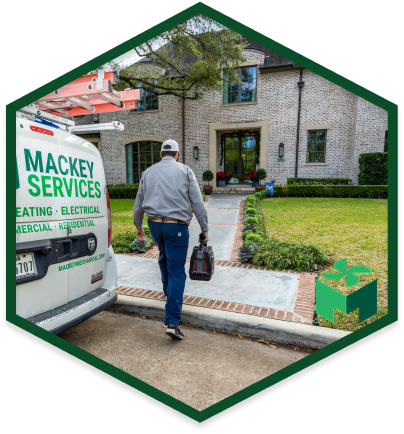
The Heating Repair Process: From Call to Comfort
Understanding the repair process helps homeowners make informed decisions and reduces the stress associated with a breakdown. We operate with a streamlined workflow designed to minimize downtime and maximize transparency.
- Initial Assessment and Safety Check: Upon arrival, the technician performs a safety sweep of the unit. This is critical in gas-powered systems to ensure there are no immediate hazards such as gas leaks or carbon monoxide presence.
- Diagnostic Troubleshooting: Using advanced multimeters and pressure gauges, we test the system’s performance against manufacturer benchmarks. This data-driven approach pinpoints the exact component causing the failure.
- Clear Explanation and Quoting: Once the issue is identified, you receive a detailed explanation of the problem and a flat-rate quote for the repair. You will know the exact cost before any work begins.
- Execution of Repairs: With your approval, the technician performs the necessary repairs using high-quality OEM or equivalent parts. Trucks are stocked with common parts to facilitate same-day completion in most cases.
- System Testing and Validation: After the repair, the system is cycled through several operational modes to ensure it ignites, heats, and shuts down correctly. We also measure the temperature difference (Delta T) between the supply and return air to verify efficiency.
- Site Cleanup and Final Report: The workspace is left clean, and you receive a digital report detailing the work performed, parts replaced, and any recommendations for future maintenance.
Deciding Between Repair and Replacement
One of the most difficult decisions a homeowner faces is knowing when to stop repairing an aging unit and when to invest in a new system. While our priority is always to repair your existing equipment, there are mathematical and practical thresholds where replacement becomes the more improved financial decision.
The 50% Rule
A standard industry benchmark is the 50% rule. If the cost of the necessary repair approaches or exceeds 50% of the cost of a brand-new system, replacement is generally the wiser investment. Investing half the cost of a new unit into an old unit that may fail again soon often results in “throwing good money after bad” — view current specials today.
Age of the Equipment
Heating systems have a finite lifespan.
- Gas Furnaces: Typically last 15 to 20 years.
- Heat Pumps: Typically last 10 to 15 years, as they run year-round for both heating and cooling.
- Electric Furnaces: Can last 20+ years but may become inefficient.
If your system is over 15 years old and requires a major component replacement (like a blower motor or control board), the likelihood of another component failing in the near future is high.
Frequency of Breakdowns
If you have required repairs more than twice in the last two years, your system is signaling that it is reaching the end of its reliable service life. Frequent breakdowns result in cumulative costs that often exceed the monthly payments of a financed new system.
Energy Efficiency Considerations
Older units often operate at 60% to 70% AFUE (Annual Fuel Utilization Efficiency), meaning 30 to 40 cents of every dollar you spend on gas is wasted. Modern systems operate at 80% to 98% efficiency. Upgrading can significantly lower monthly utility bills, helping to offset the cost of installation over time.
Local Considerations for Heating in League City
Operating a heating system in the Gulf Coast region presents unique challenges compared to other parts of the country. While winters in League City, Baytown, and surrounding areas are generally mild, the humidity and specific climate conditions impact how heating systems perform and degrade.
Humidity and Indoor Air Quality
Our region is characterized by a humid subtropical climate. Even in winter, humidity levels can remain high. A heating system that is short-cycling (turning on and off too quickly) will not run long enough to dry out the air, leading to a “clammy” heat inside the home. This environment can also encourage mold growth within ductwork if not properly managed. Ensuring your heat pump or furnace is correctly sized and calibrated is essential for moisture control.
Heat Pumps vs. Gas Furnaces
In our specific service radius, heat pumps are incredibly common due to the mild winters. However, when temperatures drop significantly, heat pumps rely on “emergency” or “auxiliary” heat strips, which are expensive to run. We check to ensure your heat pump is switching to auxiliary heat only when absolutely necessary to prevent skyrocketing electric bills. For homes with gas furnaces, we ensure the venting meets local code requirements to safely handle exhaust in our specific atmospheric pressure conditions.
Local Codes and Permits
Heating repair and installation in Texas are governed by strict codes to ensure safety. Work involving gas lines or significant electrical modifications often requires adherence to specific municipal regulations. Professional service providers stay updated on the International Residential Code (IRC) and local amendments applicable to Galveston County. This ensures that all repairs maintain the resale value of your home and keep your insurance coverage valid.
Why Professional Execution Matters
The difference between a lasting repair and a temporary fix often comes down to the skill level of the technician and the quality of the parts used. Heating systems involve high-voltage electricity and combustible gases; they are not suitable for amateur tinkering or unlicensed handymen.
Technical Expertise and Certification
Modern HVAC equipment utilizes complex circuit boards and variable-speed motors. Diagnosing these requires specific training and diagnostic tools. We employ technicians who undergo continuous training to stay current with the latest technologies from major manufacturers. This expertise allows for faster diagnostics and accurate repairs that restore the system’s original efficiency rating.
Warranty Protection
Attempting DIY repairs or using unlicensed contractors can void the manufacturer’s warranty on your equipment. Professional repairs are documented and performed according to manufacturer standards, preserving your warranty coverage. Furthermore, reputable service providers back their own labor and parts with warranties, ensuring that if the specific part fails again within a set period, you are not responsible for the cost.
Safety First Protocols
Carbon monoxide (CO) is a colorless, odorless gas that can be deadly. It is a byproduct of incomplete combustion in gas furnaces. Professional technicians carry calibrated CO detectors and inspect heat exchangers for microscopic cracks that could allow gas to leak into the living space. We also verify the integrity of the flue pipe to ensure exhaust is venting outside properly, not back-drafting into the home due to wind or pressure imbalances common in coastal areas.