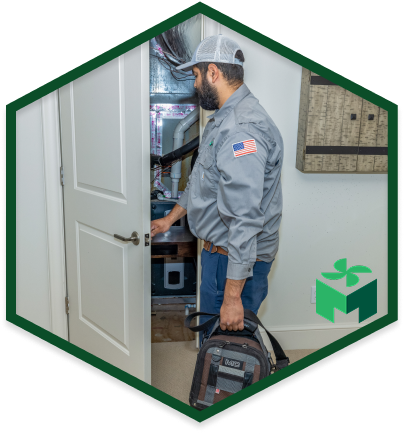
The Heating Installation and Replacement Process
Replacing a heating system is a significant investment in your home’s infrastructure. It requires a structured technical process to ensure the new unit operates at peak efficiency for years to come. We do not simply swap out boxes; we engineer a solution that fits your home’s thermal envelope.
- Load Calculation and Sizing
The process begins with a Manual J load calculation. This is the industry standard for determining the exact heating requirements of a property. Many older homes in the area have oversized units that waste energy and fail to dehumidify properly. We measure your square footage, insulation levels, window efficiency, and local orientation to select a unit with the correct BTU output.
- Site Preparation and Removal
Once the correct unit is selected, the old equipment is disconnected and removed safely. This includes reclaiming any refrigerant from heat pumps according to EPA standards and capping gas lines securely. We inspect the existing platform or mechanical closet to ensure it can support the weight and dimensions of the new unit. If the existing plenum or ductwork connections are damaged, they are noted for repair to prevent air leakage.
The new furnace or air handler is positioned and leveled. Proper leveling is critical for drainage and quiet operation. We connect the flue venting, ensuring proper slope to vent combustion gases safely out of the home. Electrical lines are reconnected with new disconnect boxes if necessary to meet current code requirements. For gas systems, sediment traps are installed to protect the gas valve from debris.
- Ductwork and Airflow Integration
A high-efficiency heater cannot function without proper airflow. We inspect the ductwork for kinks, disconnects, or leaks. The new unit is sealed to the existing ductwork using mastic or metal tape to create an airtight bond. This prevents conditioned air from leaking into the attic or crawlspace and ensures that the heat generated actually reaches your living spaces.
- Final Commissioning and Testing
The installation is not complete until the system is commissioned. We fire up the unit and test the static pressure to ensure the blower motor is not straining. We measure the temperature rise—the difference in temperature between the air entering the return and the air leaving the supply—to verify it matches the manufacturer’s data plate. Finally, we walk you through the operation of your new thermostat and explain the maintenance requirements.
Deciding Between Repair and Replacement
Determining whether to repair an aging unit or invest in a new system is a decision based on data, not guesswork. There is a specific threshold where throwing money at repairs no longer makes financial sense. We help you navigate this decision by evaluating the age, condition, and performance of your current equipment.
A general guideline used in the industry is the 50% rule. If the cost of the repair approaches 50% of the value of a new system, replacement is generally the smarter financial move. Major component failures, such as a cracked heat exchanger or a blown compressor, often fall into this category. These are expensive repairs that do not guarantee the longevity of the rest of the system.
- System Age and Reliability
Heating systems typically last between 12 and 15 years. If your unit is approaching or has exceeded this age range, parts may be becoming obsolete or difficult to source. Older units that require frequent repairs—even minor ones—are signaling that they are reaching the end of their service life. Continually fixing an old system can result in cumulative costs that exceed the price of a modern, warrantied installation.
- Energy Efficiency and Operating Costs
Older furnaces and heat pumps often have much lower efficiency ratings (AFUE or HSPF) compared to modern standards. If you have noticed a steady increase in your energy bills despite normal usage, your system is likely losing efficiency. Mackey Services can calculate the estimated return on investment for a high-efficiency system. Often, the monthly savings on energy bills can help offset the monthly cost of a new system installation.
- Comfort and Safety Concerns
If your current system leaves hot and cold spots throughout the house or makes excessive noise, it is failing to provide basic comfort. More importantly, safety issues such as rusted flues or repeated electrical shorts are non-negotiable reasons to upgrade. A new system provides peace of mind, consistent temperatures, and advanced safety features that older units simply lack.
Local Factors Affecting Heating in the Gulf Coast
Operating a heating system in Dickinson and the surrounding region presents unique challenges compared to other parts of the country. The climate here is characterized by high humidity and variable winter temperatures. This environment dictates specific requirements for equipment selection and maintenance.
- Handling Humidity and Mild Winters
While the winters are generally mild, the high humidity means that a heating system must be carefully balanced. An oversized furnace will heat the home too quickly and shut off before it has a chance to circulate air properly, leading to a clammy indoor environment. Heat pumps are an excellent option for this region as they provide efficient heating for mild days and superior dehumidification.
- Permitting and Code Compliance
Heating installations in Texas must adhere to strict building codes and safety regulations. This includes requirements for proper venting, gas line pressure testing, and electrical dedicated circuits. We handle the permitting process, ensuring that your installation passes all necessary municipal inspections. This is vital not only for safety but also for the resale value of your home, as unpermitted work can complicate real estate transactions.
- Utility Infrastructure and Rebates
Local utility providers occasionally offer rebates for upgrading to high-efficiency equipment. We stay updated on the current programs available for homeowners in the area. Additionally, whether your home utilizes natural gas or relies entirely on electricity determines the type of equipment available to you. We verify your electrical panel capacity or gas line sizing to ensure your home’s infrastructure can support the new equipment without needing expensive upgrades.
- Seasonal Maintenance Timing
Because the transition from air conditioning to heating can happen rapidly with a sudden cold front, preventative maintenance is crucial. The best time to service your heating system is in the fall, before the first freeze. This ensures that the system is clean, safe, and ready to operate when the temperature drops unexpectedly. Neglecting this maintenance can lead to finding out your heater is broken on the first cold night of the year.
Why Technical Expertise Matters
In an industry flooded with generalists, specialized expertise is the differentiator that ensures long-term performance. Heating systems are complex appliances that involve combustible gases, high-voltage electricity, and high-pressure refrigerants. The technician working on your equipment must understand the physics of thermodynamics and the specifics of local building codes.
We employ technicians who are trained to look beyond the immediate symptom to find the underlying cause. If a limit switch trips, we do not just replace the switch; we investigate why the unit overheated in the first place. This depth of service prevents recurring issues and protects your equipment warranty. Manufacturers often require proof of professional maintenance to honor warranty claims. We provide thorough documentation of all services performed, ensuring you remain protected.
Your home is your sanctuary, and we treat it with respect. Our team uses drop cloths and shoe covers to protect your flooring and cleans up the workspace thoroughly after every job. We believe that professional service extends beyond the technical repair to the entire customer experience. You deserve clear communication, transparent explanations of the work required, and a timeline that is respected — read our reviews.
When you need heating services that prioritize safety, efficiency, and longevity, trust Mackey Services to deliver. We are committed to providing the Dickinson community with heating solutions that stand up to the local climate and deliver consistent comfort.