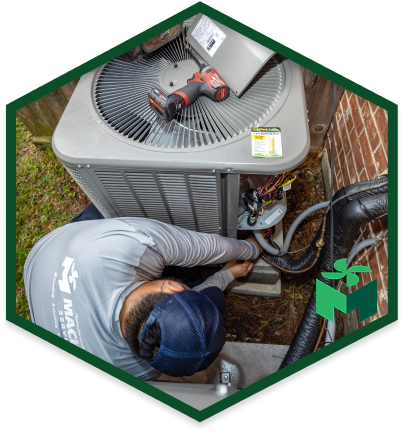
The Installation and Replacement Process
Replacing a heat pump is a significant investment that requires strict adherence to technical standards to ensure efficiency and longevity. A simple swap-out of the old unit is rarely sufficient. Modern systems operate differently than older models, requiring updated load calculations and often modifications to the existing infrastructure — view current specials.
- Load Calculation and Sizing:
The process begins with a Manual J load calculation. This engineering standard determines the exact heating and cooling requirements of the home based on square footage, insulation levels, window types, and local climate data. Proper sizing is critical in humid climates; a unit that is too large will cool the air too quickly without removing humidity, leading to a clammy indoor environment. A unit that is too small will run continuously, driving up electric bills.
- Site Preparation and Removal:
Technicians safely disconnect the electrical supply and recover any existing refrigerant from the old unit according to EPA regulations. The old equipment is removed and disposed of properly. The mounting pad is inspected and leveled to ensure the new outdoor unit remains stable and vibration-free.
The new outdoor condenser and indoor air handler are set in place. Technicians braze the refrigerant lines using nitrogen purging to prevent oxidation inside the copper tubing, which can damage the compressor. Electrical wiring is connected and tightened to torque specifications. A new thermostat or control system is often installed to maximize the features of the new heat pump, such as variable-speed blowers or two-stage cooling.
- Testing and Commissioning:
Once the physical installation is complete, the system is pressure-tested to check for leaks. A deep vacuum is pulled to remove moisture and non-condensables from the lines. Refrigerant is weighed in to the precise factory specifications. Finally, the system is started, and static pressure is measured to ensure the ductwork is delivering the correct amount of airflow to every room.
Critical Factors in the Repair vs. Replace Decision
Deciding between repairing an aging unit or investing in a new system is a common dilemma for homeowners. The decision should be based on data, costs, and the projected lifespan of the equipment. Heat pumps in this region work year-round, handling both cooling in the summer and heating in the winter, which accumulates wear and tear faster than systems in milder climates.
The 50% Rule
A general guideline used in the industry is the 50% rule. If the cost of the repair approaches or exceeds 50% of the value of a new system, replacement is generally the more financial sound option. For example, replacing a compressor on a 12-year-old unit is rarely cost-effective, as other components are likely to fail soon after.
Equipment Age and Refrigerant Type
The average lifespan of a heat pump in a coastal environment is typically 10 to 15 years. If the unit is over 10 years old and requires a major repair, replacement is usually recommended. Additionally, older units utilize R-22 refrigerant, which has been phased out and is prohibitively expensive to restock. Newer systems use environmentally friendly refrigerants and offer significantly higher efficiency ratings.
Efficiency Ratings (SEER2 and HSPF2)
Newer heat pumps come with higher Seasonal Energy Efficiency Ratio (SEER2) and Heating Seasonal Performance Factor (HSPF2) ratings. A modern system can reduce energy consumption by 20% to 40% compared to a unit installed a decade ago. While Mackey Services provides honest assessments for repairs, we also calculate the potential return on investment regarding energy savings to help you make an informed decision. If a system requires frequent repairs or fails to control humidity, upgrading to a variable-speed or two-stage system provides immediate comfort and financial benefits.
Addressing Dickinson Climate Challenges
Operating a heat pump in Dickinson requires specific attention to environmental factors that do not affect other regions. The combination of high heat, extreme humidity, and proximity to the coast creates a challenging environment for HVAC hardware. Equipment must be selected and installed with these local conditions in mind.
Humidity Control
The primary job of a heat pump in this area during the summer is dehumidification. Standard single-stage systems run at full capacity until the thermostat is satisfied, which may cool the air but leave moisture behind. Variable-speed systems run for longer periods at lower capacities, effectively pulling more moisture out of the air. This results in a drier, more comfortable home even at higher thermostat settings, which reduces the workload on the system.
Corrosion Protection
Salt air can accelerate corrosion on the outdoor condenser coils and aluminum fins. When selecting a new unit, it is vital to consider models with special coil coatings or epoxy finishes designed for coastal applications. Regular maintenance is also required to rinse salt deposits off the outdoor unit to prevent premature failure of the heat transfer surfaces.
Permitting and Local Codes
Replacing a heat pump involves electrical and mechanical work that must comply with local building codes. This ensures the safety of the household and the reliability of the grid. Compliance involves proper disconnect boxes, wire sizing, and refrigerant handling. All replacement projects handle the necessary permitting paperwork and coordinate inspections with the city or county to ensure the installation meets all safety standards.
Technical Expertise and System Reliability
The longevity of a heat pump is determined more by the quality of the installation than the brand name on the box. Even the highest-rated equipment will fail prematurely if the ductwork is undersized, the refrigerant charge is incorrect, or the brazing is done poorly. Technical expertise ensures that the system operates within the manufacturer’s design parameters, protecting the warranty and ensuring efficient operation.
Ductwork and Airflow
A heat pump cannot function correctly without proper airflow. Restricted ducts increase static pressure, causing the blower motor to work harder and the compressor to overheat. Part of the service involves inspecting the duct system for leaks, disconnects, or kinks. Sealing ductwork prevents conditioned air from escaping into the attic or crawlspace and prevents humid, unconditioned air from being drawn into the living space.
Electrical Integrity
Heat pumps draw significant electrical current upon startup. Worn contactors or weak capacitors can cause voltage drops that damage the compressor windings. During service visits, technicians tighten all electrical connections and measure voltage and amperage to ensure the electrical components are operating safely. This proactive approach prevents sudden electrical failures during peak usage times.
The Role of the Reversing Valve
The reversing valve is the component that distinguishes a heat pump from a standard air conditioner. It reverses the flow of refrigerant to switch the unit from cooling to heating. If this valve sticks or the solenoid fails, the system will be stuck in one mode. Diagnosing a reversing valve issue requires specific knowledge of pressure differentials and electrical controls.