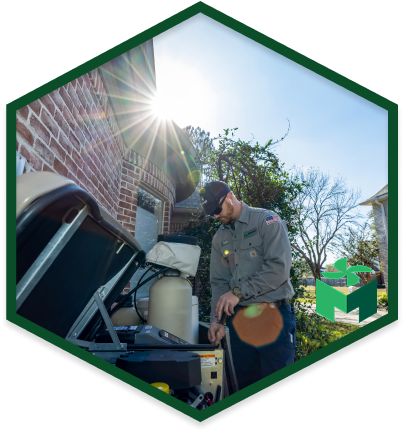
Mackey Services has been proudly serving Dickinson and the Greater Houston area since our founding in 1992. From the moment we went into business, we’ve strived to exceed the expectations of our commercial and residential customers. Our dedication to providing top-notch customer service has earned us many five-star ratings from our clients. We are also BBB accredited and hold an A+ rating. In addition, we are Energy Star certified, and our electricians receive ongoing training to stay current with the latest developments in the industry.
Stay Powered up with a plan designed for you!
What Our Generator Installation Includes
Choosing a permanent backup power solution involves more than simply dropping a unit in the backyard. Our comprehensive installation service ensures that your system functions correctly and safely when you need it most. We focus on a turnkey approach that minimizes disruption to your property while maximizing system reliability.
- Site Assessment and Load Calculation: We perform a detailed audit of your electrical load to determine exactly which appliances and systems must run during an outage. This includes sizing for central air conditioning, refrigeration, medical equipment, and security systems.
- Professional Site Preparation: We prepare a level, stable surface using concrete pads or manufacturer-approved composite mounting blocks. This prevents settling and ensures the unit remains level, which is critical for proper engine lubrication.
- Automatic Transfer Switch (ATS) Installation: We install a transfer switch that acts as the brain of your backup power system. It continuously monitors utility voltage and signals the generator to start when power quality drops.
- Fuel Line Connection: Our team coordinates the professional connection of high-capacity fuel lines, whether you utilize natural gas from the street or an on-site liquid propane tank.
- Electrical Integration: We hardwire the generator directly into your service panel, ensuring safe power distribution without back-feeding the grid, which protects utility workers.
- System Testing and Commissioning: Once installed, we simulate a power outage to verify the system detects the loss, starts the engine, transfers the load, and returns to utility power seamlessly.
Your Installation Step-by-Step
Understanding the installation timeline helps you plan for the transition to backup power. We follow a rigorous process designed to ensure safety and efficiency.
- Consultation and Sizing: The process begins with evaluating your power needs. We look at your electrical panel and discuss whether you need whole-house coverage or essential circuit management.
- Permitting and Approval: Before any work begins, we secure the necessary electrical and mechanical permits required by the city of Dickinson and local municipalities. This ensures your installation avoids future fines or insurance complications.
- Site Prep and Delivery: We prepare the installation site, ensuring it meets clearance distances from windows, doors, and flammable materials. The unit is then delivered and placed on the pad.
- Utility Connections: Licensed technicians perform the electrical and plumbing connections. This involves running conduit and piping from the meter and gas source to the generator location.
- Activation: After physical installation, we perform the manufacturer-specified activation protocol, which includes unlocking the controller, setting the exercise schedule, and verifying voltage frequency.
- Final Inspection: The local code enforcement officer inspects the work to sign off on the permit, ensuring everything meets safety standards.
Choosing Between Repair and a New Installation
If you already have a generator system that is aging or malfunctioning, you may be debating between repairing the existing unit or investing in a modern replacement. Making the right financial and safety decision depends on several critical factors regarding the unit’s condition and history.
- Age of the Unit: Most standby generators have a prime service life of 10 to 15 years. If your unit is approaching this age, parts may be obsolete, and reliability during a major storm becomes questionable.
- Cost of Repairs: If a repair estimate exceeds 40% to 50% of the cost of a new unit, replacement is generally the more fastidious financial choice. Major failures in the stator, rotor, or engine block often signal the end of the unit’s viable life.
- Capacity Mismatches: Homes evolve over time. If you have added a swimming pool, a larger HVAC system, or an EV charger since your original generator was installed, your old unit may now be undersized. An undersized generator creates a risk of overload, which can damage both the generator and your home appliances.
- Warranty Coverage: New installations come with manufacturer warranties that span several years. Older units typically have expired warranties, meaning every future component failure will be an out-of-pocket expense.
- Technological Advancements: Modern generators offer mobile monitoring, quieter operation, and better fuel efficiency compared to models from a decade ago. If you want real-time status updates sent to your phone, a new installation is the path forward.
Local Compliance and Weather Considerations
Operating in the Gulf Coast region requires specific attention to environmental factors that do not apply in other parts of the country. Standard installations often fail here because they do not account for the high water table, storm surge risks, and corrosive salt air.
- Flood Plain Elevation: In many parts of Dickinson and nearby coastal areas, equipment must be elevated above base flood elevation levels. We install concrete risers or elevated platforms to ensure your generator does not become submerged during heavy rain events or storm surges.
- Wind Rating Compliance: The enclosure of your generator must be rated to withstand hurricane-force winds. We ensure that all anchoring hardware is rated for high-wind loads to prevent the unit from shifting or tipping during a tropical storm.
- Corrosion Protection: The humid, salty air accelerates rust and corrosion. We utilize aluminum or composite enclosures rather than standard steel wherever possible to extend the lifespan of the housing and protect internal components.
- Fuel Availability: We assess the reliability of natural gas lines in your specific neighborhood. If your area is prone to gas shutoffs during disasters, we may recommend a large-capacity liquid propane tank to ensure you have independent fuel storage on-site.
- Permitting Requirements: Local codes dictate strict setbacks from property lines and dwelling openings (windows/doors) to prevent carbon monoxide entry. We manage the entire permitting process to ensure your system is legal and safe.
Understanding the Automatic Transfer Switch (ATS)
The Automatic Transfer Switch is the component that makes a standby generator truly “hands-off.” Understanding how this device works clarifies why a professionally installed standby system is superior to portable alternatives.
- Monitoring: The ATS is wired between your utility meter and your main breaker panel. It monitors the voltage coming from the grid 24/7.
- Reaction: When the ATS detects a voltage drop or a complete blackout, it waits a few seconds (to ensure it isn’t just a momentary flicker) and then sends a start signal to the generator.
- Transfer: Once the generator reaches the correct speed and voltage, the ATS mechanically disconnects your home from the utility grid and connects it to the generator. This isolation is crucial; it prevents “back-feeding,” which could electrocute a lineman working to restore power down the street.
- Restoration: When utility power returns, the ATS senses the steady voltage. It automatically transfers your home back to the grid and signals the generator to enter a cool-down cycle before shutting off.
Sizing Your Backup Power System Correctly
One of the most common errors in generator installation is incorrect sizing. Mackey Services emphasizes precise load calculations to avoid the pitfalls of undersizing or oversizing.
- Undersizing Risks: If a generator is too small, it will trip its internal breaker when major appliances like the AC unit kick on. This results in power cycling, which damages the compressor motors in your HVAC system and refrigerator.
- Oversizing Inefficiencies: An oversized generator that runs at a very low load can develop “wet stacking,” a condition where unburned fuel accumulates in the exhaust system, leading to maintenance issues and reduced lifespan.
- Whole-Home vs. Essential Circuits: We help you decide between a whole-home solution (powering everything effortlessly) and a managed solution (powering lights, internet, fridge, and one AC zone).
- Starting vs. Running Watts: We calculate based on “starting watts”—the surge of power needed to start electric motors—rather than just “running watts.” This ensures your generator doesn’t stall when the air conditioner engages.
Why Choose Us: Testimonials & Certifications
Selecting the right contractor for generator installation is as important as selecting the brand of the generator. You need a partner who understands the electrical complexities and local code requirements.
- Certified Technicians: Our team undergoes rigorous training with major manufacturers. We are certified to install, service, and warranty the systems we provide.
- Local Expertise: We have extensive experience working in Dickinson and the surrounding Gulf Coast region. We know the inspectors, the codes, and the specific challenges posed by the local climate.
- Comprehensive Project Management: We handle the logistics of the entire project, from the concrete work and gas plumbing to the final electrical tie-in. You do not need to hire separate plumbers or cement contractors.
- Post-Installation Support: Our relationship doesn’t end when the power comes on. We offer maintenance plans to ensure your generator is ready to perform year after year.