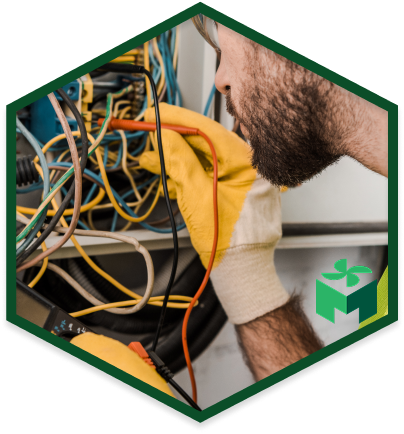
Step-by-Step Guide to the EV Charger Installation Process
A structured approach ensures that the charging station operates safely and passes all necessary municipal inspections. The installation follows a logical sequence to minimize disruption to your home while ensuring code compliance.
- Site Evaluation and Load Calculation: The process initiates with a thorough audit of the electrical system. Technicians examine the breaker box, grounding system, and the distance from the panel to the desired parking location. This stage identifies whether a “heavy up” (service upgrade) is needed.
- Permitting and Regulatory Approval: Before any physical work begins, the necessary electrical permits are pulled. This ensures the work is registered with the city and will be inspected for safety. Skipping this step can lead to insurance complications and fines later.
- Circuit Installation: A dedicated circuit is installed in the main breaker panel. This prevents the EV charger from overloading other household circuits. The amperage of this breaker is matched specifically to the charger’s output—typically 40A, 50A, or 60A.
- Wiring and Conduit Run: Technicians run electrical wire from the panel to the installation site. In finished areas, this may involve fishing wires behind drywall. In unfinished areas like garages or exterior walls, rigid or flexible conduit is used to shield the wiring.
- Unit Mounting and Hardwiring: The charging unit is securely mounted to a stud or masonry wall. While some homeowners opt for a NEMA 14-50 outlet (plug-in), hardwiring the unit directly into the electrical system is generally recommended for durability and safety, as it eliminates a potential point of failure at the receptacle.
- Testing and Commissioning: Once connected, the system undergoes rigorous testing. Voltage levels are verified, and the charger is connected to Wi-Fi if it is a smart unit. A test charge ensures the vehicle communicates correctly with the EVSE.
- Final Inspection: The installation is not considered complete until a municipal inspector reviews the work to ensure it meets the National Electrical Code (NEC) and local amendments.
Deciding Between an Upgrade and a New Installation
Homeowners who already have an EV charger may face a dilemma: repair an existing unit or replace it entirely. Technology in the EV space moves rapidly, and older chargers may not be compatible with newer vehicles capable of accepting higher kilowatt (kW) input.
- Charging Speed Mismatch: If you have upgraded your vehicle to one with a larger battery pack, an older 16-amp or 30-amp charger may no longer provide a full charge overnight. If the current hardware limits your vehicle’s utility, a replacement with a 48-amp or 50-amp unit is the logical choice.
- Physical Damage and Wear: Chargers located outdoors in Texas are subject to UV degradation and moisture ingress. If the cable insulation is cracking, the connector is loose, or the unit shows signs of thermal damage (discoloration), repair is rarely a safe option. Replacement ensures the integrity of the connection and prevents fire risks.
- Smart Features and Connectivity: Older “dumb” chargers simply dispense power. Newer smart chargers allow users to schedule charging during off-peak utility hours to save money, track energy consumption, and integrate with home automation systems. If energy monitoring is a priority, upgrading to a smart unit is necessary.
- Intermittent Faults: If a charger frequently trips the breaker or stops charging mid-cycle without a clear vehicle error, the internal electronics may be failing. Troubleshooting internal components of an EVSE is often cost-prohibitive compared to installing a modern, warranted unit.
Local Guidelines and Weather Considerations for Installation
The environment in this region dictates specific installation practices that differ from cooler, drier climates. The intense heat experienced during summers can affect the performance of electrical equipment. EV chargers produce heat while operating; when combined with an ambient temperature exceeding 95°F, units installed in direct sunlight can experience “thermal derating,” where the charger slows down to protect its internal components.
To mitigate this, Mackey Services recommends installing units inside the garage whenever possible. If an outdoor installation is required, placing the unit on a north-facing wall or installing a protective shade structure helps maintain optimal charging speeds. Furthermore, the unit must be NEMA 4 rated, which signifies protection against windblown dust and splashing water—essential features during thunderstorm season.
Compliance with local utility requirements is also critical. Some areas in Texas have specific adoption cycles for the National Electrical Code (NEC). For instance, the NEC requires GFCI protection for outlets in garages. However, hardwired EV chargers have internal ground fault protection. Installing a GFCI breaker for a hardwired unit can cause “nuisance tripping.” Understanding these code nuances ensures a reliable system that passes inspection without unnecessary modifications.
Electrical Panel Capacity and Load Management
A common hurdle for EV adoption in established neighborhoods is the capacity of the home’s electrical service. Many homes operate on 100-amp or 150-amp service, which was sufficient decades ago but struggles to support central air conditioning, electric ovens, pool pumps, and now, an electric vehicle. Adding a continuous 50-amp load can push a panel beyond its safety limits.
When a main panel upgrade is too costly or logistically difficult, load management devices offer a sophisticated alternative. These devices monitor the total energy consumption of the home in real-time. If the home’s usage spikes (e.g., the AC and dryer are running simultaneously), the management device temporarily pauses or reduces power to the EV charger. Once the load decreases, charging resumes at full speed. This technology allows for the installation of high-speed chargers without the immediate need for a heavy-up service upgrade.
Equipment Selection and Brand Compatibility
Choosing the right hardware is as important as the installation itself. While most EVs in North America use the J1772 connector (or the NACS standard for Tesla), not all chargers are built the same.
- Hardwired vs. Plug-In: Plug-in units offer portability; you can unplug the unit and take it with you if you move. However, the NEMA 14-50 receptacle used for these plugs is not designed for frequent plugging and unplugging. High-quality industrial-grade receptacles must be used to prevent melting. Hardwired units are safer, look cleaner, and can often deliver higher amperage than plug-in models.
- Amperage and Range: A 40-amp charger typically delivers about 30 miles of range per hour of charging. A 48-amp charger can deliver closer to 40 miles of range per hour. The choice depends on the vehicle’s onboard charger limit and the home’s available electrical capacity.
- Cable Length and Management: The location of the charge port varies by vehicle manufacturer. A charger with a 25-foot cable offers maximum flexibility, allowing the vehicle to be charged whether it is parked nose-in or backed-in. Integrated cable management hooks or holsters prevent the cable from becoming a tripping hazard or resting on the garage floor where it can be damaged.