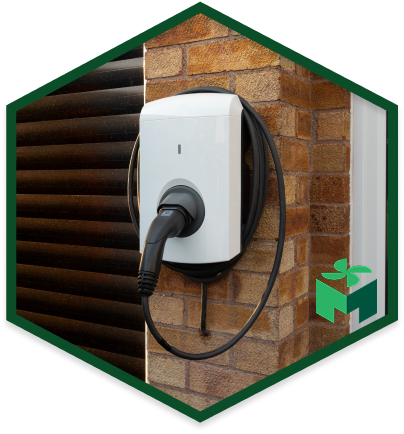
Step-by-Step Guide to Your EV Charger Installation
A professional installation follows a rigorous sequence to ensure safety and efficiency. We do not cut corners with generic wiring or undersized breakers. Every step is calculated to meet the National Electrical Code (NEC) requirements for continuous load devices.
- Load Calculation and Site Assessment:The process begins by calculating the current electrical load of your home. We review your HVAC, appliances, and lighting usage to determine how much “room” is left in your panel. This step determines if a heavy-up (panel upgrade) is required or if we can proceed with the existing infrastructure.
- Circuit Installation and Wiring: Next, we install a new, dedicated circuit breaker specifically for the EV charger. We run industrial-grade wire, protected by conduit, from the main panel to the installation location. We prioritize the shortest and most aesthetic route possible to minimize voltage drop and visual clutter.
- Unit Mounting and Connection: We securely mount the charging unit to the wall studs or a pedestal. For hardwired units, the connections are made directly inside the device to eliminate failure points. For plug-in units, we install an industrial-grade receptacle designed to withstand the heat cycles of daily EV charging.
- Testing and Commissioning: Finally, we energize the circuit and perform rigorous testing. We check for proper grounding, correct polarity, and thermal stability. We connect the charger to your vehicle (or a test simulator) to verify that it initiates charging correctly and reaches the maximum available amperage.
Choosing the Right Connection: Hardwire vs. Plug-In
Homeowners often face a decision between hardwiring their charging station or installing a high-voltage outlet (NEMA 14-50). Understanding the technical differences helps in making the right choice for your specific vehicle and charging habits.
Hardwired Installations:
A hardwired connection is the most robust and reliable method for Level 2 charging. In this setup, the wiring runs directly from the breaker into the charging unit, with no plug or receptacle involved.
- Higher Amperage: Hardwired units can typically charge at higher speeds (up to 48 amps or more), adding up to 44 miles of range per hour depending on the vehicle.
- Safety: Without a plug connection, there is zero risk of the outlet wearing out or nuisance tripping of GFCI breakers. It is a sealed, weather-resistant connection ideal for carports or outdoor installations.
- Simplicity: There are fewer points of failure, making it the preferred method for daily, high-capacity use.
Plug-In Installations (NEMA 14-50):
This option involves installing a heavy-duty 240-volt outlet, similar to what an electric dryer or oven uses. You then plug the EV charger into this outlet.
- Flexibility: The primary benefit is portability. If you move, you can unplug the charger and take it with you, leaving the outlet behind for the next homeowner.
- Amperage Limits: Most plug-in chargers are limited to 40 amps (delivering about 30 miles of range per hour). This is sufficient for most overnight charging needs but slower than maximum hardwired speeds.
- Maintenance: Receptacles can wear out over time due to thermal expansion and contraction. We use only hub-grade, industrial receptacles to mitigate this risk, avoiding the cheap residential-grade outlets that often melt under EV loads.
Preparing for Texas Weather: Installation Tips
The climate in Dickinson and the surrounding coastal regions presents unique challenges for electrical equipment. High heat, humidity, and the potential for severe storms dictate how and where an EV charger should be installed to ensure longevity.
- Heat Management: Texas summers can push garage temperatures well over 100 degrees. EV chargers generate heat while operating, and breakers inside your panel also generate heat. If a panel is located in direct sunlight or a hot garage, the breakers may “derate” or trip prematurely even if the load is technically within limits. Mackey Services accounts for ambient temperature correction when sizing wire and breakers, often upsizing the wire gauge to ensure the system runs cool even in August.
- Moisture and Corrosion: For outdoor installations or homes near the coast, salt air and humidity can corrode standard electrical contacts. We utilize NEMA 3R or NEMA 4 rated enclosures for all outdoor components. These enclosures provide watertight protection against rain and splashing water. Furthermore, we apply corrosion inhibitors to wire terminations to prevent resistance buildup that could lead to overheating.
- Surge Protection: With the prevalence of lightning storms in the region, protecting the sensitive electronics in your electric vehicle is paramount. An EV charger connects your car’s expensive computer system directly to the grid. We highly recommend and can install whole-home surge protection devices at the main panel level. This adds a layer of defense against grid spikes and lightning strikes, safeguarding both the charger and the vehicle’s onboard charging module.
Ensuring Code Compliance and Safety
Electrical work for Electric Vehicle Supply Equipment is heavily regulated for good reason. The continuous load nature of an EV charger places more stress on your home’s electrical system than almost any other appliance. A dryer cycles on and off; an EV charger pulls maximum power for 6 to 10 hours straight.
- Permitting: Proper permitting is not optional; it is a verification of safety. In Dickinson, pulling a permit ensures that the work is reviewed by a municipal inspector. This is crucial for your homeowner’s insurance. If an unpermitted electrical installation causes a fire, insurance claims can be denied. We handle the administrative burden of filing permits and scheduling inspections so you don’t have to.
- Load Management compliance: The NEC requires that a home’s electrical service must be able to handle the new load. If your calculation shows that adding a 50-amp charger exceeds your service limit, we must either upgrade the service or install a Load Management System. These smart devices monitor your home’s total energy use in real-time. If you turn on the oven and the AC kicks on while the car is charging, the system temporarily lowers the power to the car to prevent the main breaker from tripping. This allows for modern charging speeds on older electric panels without the cost of a full service upgrade.
Why Professional Certification Matters
The market is flooded with general handymen offering to install outlets, but EV charging requires specific expertise. Manufacturers like Tesla, ChargePoint, and others have strict installation specifications. Failing to meet torque specifications on wire lugs, for instance, is a leading cause of thermal failure in charging stations.
Our team is trained on the specific requirements of various EVSE manufacturers. We understand the difference between a bonded and unbonded neutral, the requirements for GFCI protection on outlets versus hardwired units, and the nuances of local utility requirements. We ensure that the installation is not just “working” but that it is calibrated for maximum efficiency and safety.
When you choose a dedicated service provider, you are investing in the long-term reliability of your transportation. You avoid the “nuisance tripping” that leaves you with a half-charged battery in the morning. You eliminate the fire risks associated with undersized wiring. You gain a partner who can assist with future troubleshooting or system expansion as your household adds more electric vehicles.
Secure your home charging capabilities with a team that prioritizes technical accuracy and safety standards.
Ready to wake up to a fully charged vehicle every morning? Contact us today to schedule your EV charger installation.