Comprehensive Electrical Services
Electrical systems in coastal environments face unique challenges due to salt air and humidity. Components that work efficiently inland may corrode or fail prematurely in Galveston without proper installation and protection. Professional electrical contracting covers everything from minor outlet repairs to complete system overhauls.
- Panel Upgrades and Circuit Breaker Replacement: The electrical panel is the brain of your property’s power distribution. Older panels often struggle to keep up with modern energy demands, especially when running high-efficiency HVAC systems, electric vehicle chargers, and modern appliances. If a panel feels warm to the touch, smells like ozone, or frequently trips, it requires immediate professional attention. We replace obsolete units with modern, safety-compliant panels that meet current National Electrical Code (NEC) standards.
- Rewiring and Safety Inspections: Outdated wiring, such as aluminum or knob-and-tube, poses significant fire risks. Rewiring ensures that the infrastructure behind your walls is safe and capable of delivering consistent power. This service includes grounding updates, installation of GFCI outlets in wet areas, and AFCI protection for bedrooms to prevent arc faults.
- Generator Installation and Maintenance: Given the region’s susceptibility to tropical storms and hurricanes, backup power is not a luxury; it is a necessity for security and comfort. Integration of whole-home standby generators requires precise electrical planning to ensure automatic transfer switches function correctly when the grid goes down. This ensures that essential circuits, including refrigeration and HVAC, remain operational during outages.
Complete HVAC Repair and Installation Solutions
Maintaining indoor climate control requires more than just swapping out filters. It demands a technical understanding of thermodynamics, airflow, and refrigeration cycles. The goal is to lower humidity levels while maintaining a consistent, comfortable temperature.
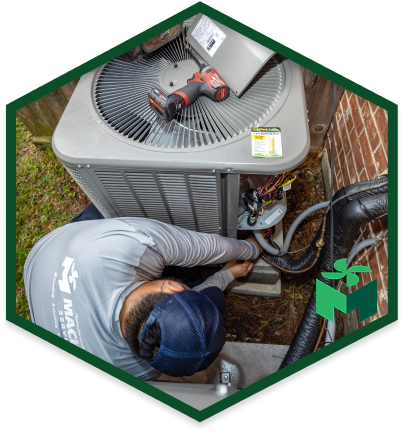
- Air Conditioning Repair and Maintenance: When an AC unit fails, the issue often stems from lack of maintenance or component fatigue. Technicians address common failure points such as frozen evaporator coils, clogged condensate drain lines, and failed compressor motors. Routine protocols involve cleaning condenser coils to remove salt buildup, checking refrigerant charges for leaks, and tightening electrical connections to prevent voltage drops.
- System Replacement and Ductwork: Installing a new HVAC system involves detailed sizing calculations. A unit that is too large will short-cycle, failing to dehumidify the air, while a unit that is too small will run continuously, driving up energy bills. We perform Manual J load calculations to determine the exact cooling requirements for your specific square footage and insulation levels. Additionally, ductwork is inspected and sealed to ensure that conditioned air reaches living spaces rather than leaking into attics or crawlspaces.
- Indoor Air Quality Improvements: High humidity breeds mold and mildew within duct systems. Integrating UV lamps, whole-home dehumidifiers, and high-efficiency particulate air (HEPA) filtration systems helps control biological growth and allergens. These systems are installed directly into the existing HVAC infrastructure to purify the air as it circulates.
The Installation Process: From Assessment to Operation
A structured installation process ensures that every project, whether electrical or mechanical, adheres to strict safety and quality standards. This systematic approach minimizes disruption to your daily routine and guarantees a compliant final result.
The project lifecycle typically follows these stages:
- Site Assessment: Technicians survey the existing infrastructure, measuring available space, electrical capacity, and potential obstructions.
- Design and Sizing: For HVAC, this involves load calculations. For electrical, this involves calculating total amperage load to ensure the main service line is sufficient.
- Permitting: All necessary permits are pulled from local building departments to ensure the work is recorded and legal.
- Preparation: Work areas are protected, and old equipment is safely disconnected and removed for recycling or disposal.
- Installation: New components are mounted, wired, and piped according to manufacturer specifications and local codes.
- Commissioning: The system is powered on and tested under load. Technicians verify voltage, amperage, pressures, and airflow.
- Walkthrough: You receive a demonstration of the new system, including thermostat programming or circuit breaker operation.
Deciding Between Repair and Replacement
Homeowners often struggle with the decision to repair an aging system or invest in a new one. Making the right financial choice depends on the age of the equipment, safety concerns, and efficiency goals — check our specials today.
- When to Repair: Repairing is the logical choice when the equipment is relatively new and the cost of the fix is minor. If an AC unit is under ten years old and still under warranty, a component replacement is usually sufficient. Similarly, if an electrical issue is isolated to a single circuit or a faulty outlet, a targeted repair resolves the problem without the need for a system-wide upgrade.
- When to Replace: Replacement becomes necessary when safety or cost-efficiency is compromised. Consider replacement if:
- The 50% Rule applies: The cost of the repair exceeds 50% of the value of a new system.
- Age of Equipment: The HVAC unit is over 15 years old and uses phased-out refrigerant (like R-22).
- Recurring Issues: You are calling for repairs multiple times a year.
- Safety Hazards: The electrical panel is a brand known for failure (such as Zinsco or Federal Pacific) or shows signs of burning.
- Efficiency: Utility bills are steadily increasing despite normal usage patterns.
Navigating Coastal Codes and Environmental Factors
Operating in a coastal zone involves specific logistical and technical considerations that do not apply to inland areas. The salt-laden air in Galveston accelerates corrosion on all metal components, particularly copper wiring and aluminum HVAC fins.
- Combatting Corrosion: Standard equipment often fails prematurely in this environment. We prioritize the installation of coastal-rated hardware. This includes specially coated condenser coils for air conditioners and NEMA 3R or 4X rated enclosures for outdoor electrical disconnects and panels. These materials are designed to withstand salt spray and prevent the oxidation that leads to electrical resistance and mechanical failure.
- Permitting and Compliance: Electrical and HVAC work is strictly regulated to ensure public safety. Compliance with the Texas Department of Licensing and Regulation (TDLR) and local municipal codes is mandatory. Unpermitted work can lead to fines, voided insurance policies, and complications when selling a property. We handle the administrative burden of securing permits and scheduling required city inspections, ensuring that all work meets or exceeds the National Electrical Code (NEC) and International Mechanical Code (IMC).
- Mackey Services Safety Protocols: Safety is the non-negotiable aspect of our trade. Dealing with high voltage and pressurized refrigerant requires certified expertise. Our team engages in continuous training to stay updated on the latest safety protocols and code changes. This protects your property from fire risks and ensures the longevity of your investments.
Why Professional Contracting Beats DIY
While minor home maintenance can be handled personally, electrical and HVAC systems require a licensed contractor. The risks associated with improper handling of electricity and refrigerants are severe.
- Liability and Insurance: A licensed contractor carries general liability and workers’ compensation insurance. This protects the homeowner from being held liable if an injury occurs on the property. Furthermore, professional businesses provide warranties on both labor and parts, offering recourse if a component fails prematurely. Handyman services or DIY attempts typically lack this financial and legal protection.
- Specialized Tooling and Expertise: Diagnosing complex intermittent electrical faults or properly charging a heat pump requires thousands of dollars in specialized tools and years of training. Contractors invest in this infrastructure to diagnose issues accurately. An incorrect diagnosis by an untrained individual often leads to the replacement of functioning parts, wasting money without solving the core issue.
- Long-Term System Health: Professional installation ensures that systems operate within their design parameters. An AC unit with improper airflow will wear out its compressor. An electrical circuit that is overloaded will degrade wire insulation. Professional contracting focuses on the holistic health of the building’s systems, ensuring efficiency and safety for years to come.