The Electrical Restoration Process: Step-by-Step
Understanding how we approach a repair helps alleviate the stress of an electrical emergency. Our process is methodical, safety-focused, and transparent. We do not begin physical work until you have a clear understanding of the problem and the proposed solution.
- Initial Safety Containment: Upon arrival, the first priority is isolating the affected area to ensure the safety of your family and our technicians. We cut power to the specific circuit or the main panel if necessary to prevent arc faults or electrocution during the inspection.
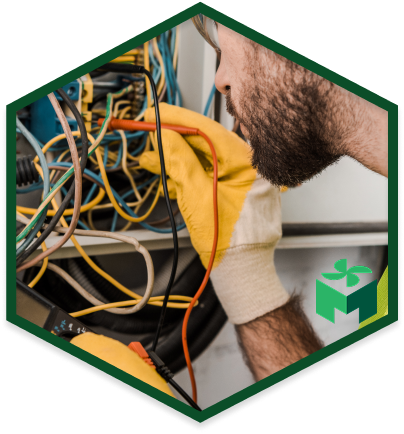
- Advanced Diagnostics: We utilize industrial-grade multimeters and circuit analyzers to measure voltage, amperage, and resistance. This allows us to pinpoint exactly where the flow of electricity is being interrupted or where resistance is creating dangerous heat.
- Root Cause Identification: We look beyond the symptom. If a breaker keeps tripping, we determine if the fault lies in the breaker itself, the wiring, or the appliances drawing power. This ensures we fix the actual problem, not just the result.
- Precision Repair Execution: Once the issue is identified and the quote is approved, we proceed with the repair. This involves removing damaged components, stripping and re-terminating wires, and installing new, code-compliant hardware.
- System Verification: After the repair is complete, we re-energize the circuit and perform a stress test. We verify that voltage levels are stable and that the system can handle the expected load without overheating.
- Site Cleanup and Reporting: We remove all debris and old components. You receive a detailed report of the work performed, including notes on the condition of your remaining system for future reference.
Decide: Repair or Replace Your Electrical Components?
One of the most common questions homeowners face is whether to repair a malfunctioning component or invest in a replacement. This decision drives the long-term safety and efficiency of your home. While a repair is often the most cost-effective immediate solution, there are specific thresholds where replacement becomes the smarter financial and safety choice — check our specials for current offers.
When to Repair
Repairing is generally the correct path when the system is relatively modern and the failure is isolated.
- Loose Connections: If the issue is caused by a wire vibrating loose over time, tightening and re-terminating the connection is sufficient.
- Single Component Failure: If one breaker fails in a panel that is otherwise in good condition and under 15 years old, replacing just that breaker is appropriate.
- Physical Damage: If an outlet is cracked or a switch toggle is broken, but the wiring behind it is sound, a simple device swap is all that is needed.
When to Replace
Replacement is necessary when the component has reached the end of its service life or when the system can no longer support modern energy demands.
- Outdated Panels: If your home still utilizes a fuse box or a panel brand known for safety recalls (such as Federal Pacific or Zinsco), repair is not a viable option. These panels must be replaced to ensure insurability and safety.
- Aluminum Wiring: Homes built in the mid-20th century may have aluminum branch wiring, which expands and contracts differently than copper, leading to loose connections and fire hazards. mitigation or total replacement is often required.
- Insufficient Amperage: If you are adding a new HVAC unit, EV charger, or hot tub, and your current panel is maxed out (100 amps or less), a “heavy up” to 200 amps is required rather than trying to squeeze more load onto an existing system.
- Frequent Failures: If you are calling for repairs on the same circuit multiple times a year, the wiring insulation may be degrading, necessitating a rewire of that run.
Specifics for Texas Residents: Permits and Seasonal Tips
Electrical work in Texas requires strict adherence to both state regulations and local municipal codes. In coastal areas like Galveston, the environment plays a significant role in how electrical systems degrade and fail. Mackey Services is intimately familiar with these local nuances and ensures every job meets the rigorous standards required for safety and insurance compliance.
The Impact of Coastal Climate
The combination of high humidity and salt air accelerates the corrosion of outdoor electrical components.
- Meter Cans and Risers: The metal enclosures on the exterior of your home are highly susceptible to rust. If the meter can rusts through, water can enter your main panel, causing catastrophic failure. We inspect these exterior points on every visit.
- Grounding Systems: Saltwater affects soil conductivity and can corrode grounding rods. A proper ground is essential for diverting surges; we ensure your grounding electrode system is intact.
Seasonal Demand Spikes
Texas weather swings from extreme heat to freezing temperatures, placing immense strain on electrical grids and home systems.
- Summer Load: During months where temperatures exceed 100°F, air conditioning units run constantly. This draws high amperage for extended periods. Weak connections in the panel will reveal themselves during these months, often melting or burning due to the heat generated by resistance.
- Storm Season: Spring and fall bring thunderstorms and hurricanes. We see a spike in demand for surge protection installation and repairs to weatherheads damaged by falling branches.
- Winter Vulnerability: While less frequent, hard freezes force electric heating systems to work overtime. Older systems may struggle to keep up, leading to tripped breakers and localized power loss.
Navigating Permits and Codes
Electrical repair is not a handyman task; it is a regulated trade.
- Permitting: Major repairs, such as panel replacements or service entrance repairs, generally require a permit from the city. We handle the application and coordination of inspections with local code enforcement.
- Utility Coordination: If a repair requires disconnecting power at the pole or meter, we coordinate directly with the Transmission and Distribution Service Provider (TDSP), such as CenterPoint Energy or Oncor, to safely de-energize and re-energize your home.
- Code Upgrades: When performing significant repairs, local codes often trigger requirements for upgrades, such as installing AFCI (Arc Fault Circuit Interrupter) breakers in bedrooms. We ensure you are compliant without upselling unnecessary features.
The Technical Advantage of Professional Electrical Work
Choosing the right partner for electrical repair determines the longevity of the fix. While the lights may come back on after a DIY attempt or a handyman visit, the underlying safety risks often remain addressing. Professional electrical work is about managing the invisible flow of energy safely.
We employ rigorous testing protocols that go beyond simply checking if a switch works. We measure voltage drop to ensure your appliances are receiving clean power. We check torque specifications on lugs to prevent future loosening. We inspect insulation integrity to prevent arcs.
Our technicians are trained to identify violations of the National Electrical Code (NEC). This is critical not just for safety, but for the value of your home. Unpermitted or non-compliant electrical work can complicate the sale of a property and may void homeowner’s insurance policies in the event of a fire.
By choosing a dedicated electrical service provider, you are investing in:
- Accuracy: We find the problem fast, saving you money on labor hours.
- Safety: We follow lockout/tagout procedures and wear personal protective equipment (PPE) to manage risk.
- Durability: We use commercial-grade parts that last longer than standard hardware store components.
When your electrical system fails, you need a solution that stands the test of time and weather. Don’t compromise on the safety of your home. Secure your home’s electrical system today—schedule your repair service instantly.