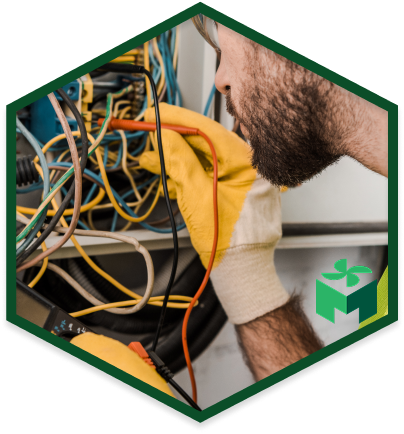
What You Can Expect: Quick, Reliable Service
Choosing a professional service for a main breaker box upgrade means expecting transparency, efficiency, and technical excellence. We operate with a clear understanding that being without power is stressful. Therefore, our service model is built around minimizing downtime and maximizing communication. From the moment our technicians arrive, the focus is on efficient workflow and code-compliant execution.
You can expect a thorough evaluation of your current grounding and bonding system, which is essential for safety. Many older homes lack adequate grounding, which is a primary requirement for new installations. Our team verifies the condition of your service entrance cables and the meter base to ensure the entire electrical loop is secure. We provide a straightforward, itemized scope of work so you know exactly what hardware is being installed and why it is necessary for your specific electrical load.
Reliability also means adhering to strict safety protocols. We utilize only high-quality, industry-standard materials, including copper bus bars and trusted breaker brands known for their durability. We handle the coordination with local utility providers to disconnect power safely and reconnect it promptly once the work is complete. You receive a turnkey solution where the logistical burden is removed from your shoulders, allowing you to focus on returning to your daily routine with a safe, fully powered home.
Our Electrical Panel Replacement Process
Replacing a main electrical panel is a complex procedure that requires precision and adherence to strict regulatory standards. We have refined our workflow to ensure every step is executed flawlessly, minimizing disruption to your household while prioritizing safety.
- Initial Load Calculation and Assessment: The process begins with a precise calculation of your home’s total electrical load. We inventory your major appliances, HVAC systems, and general circuitry to determine whether a 200-amp service is required or if a larger capacity is necessary. This step ensures the new unit will not be overloaded by current or future demands.
- Permitting and Utility Coordination: Before any physical work begins, we secure all necessary electrical permits from the city. We also coordinate with the local utility company to schedule the temporary disconnection of power at the service drop. This administrative legwork is critical for a legal, code-compliant installation that passes inspection.
- Site Preparation and Protection: Technicians prepare the workspace to protect your home. We ensure clearly marked access to the panel location and set up safety barriers if necessary. The main power is verified as “off” using industrial-grade testing equipment before any tools touch the existing equipment.
- Removal of Existing Infrastructure: The old circuit breakers and the enclosure are carefully removed. We label existing wires where possible to streamline the reconnection process. Old components are inspected for signs of heat damage or arcing, which helps us identify if any branch circuit wiring needs repair before being connected to the new system.
- Installation of the New Panel and Grounding: We mount the new enclosure securely, ensuring it is level and weather-tight if located outdoors. A critical step involves installing or upgrading the grounding electrode system—often involving driving new ground rods—to meet current National Electrical Code (NEC) standards. This provides the essential path for electricity to dissipate safely during a surge.
- Circuit Termination and Organization: Wires are routed neatly into the new box. We strip and terminate conductors with precision torqueing to prevent loose connections, which are a leading cause of electrical fires. Arc-fault (AFCI) and ground-fault (GFCI) breakers are installed on required circuits to provide advanced protection against shocks and fires.
- Labeling and Final Testing: Once all connections are made, we meticulously label every breaker on the panel schedule. This ensures you know exactly which switch controls the kitchen, bedroom, or AC unit. We then perform a series of continuity and voltage tests to verify that every circuit is functioning correctly before the utility company restores power.
- Final Inspection: We coordinate with the local building inspector to review the installation. Our work is performed to pass these rigorous inspections on the first attempt, ensuring your power is restored and the permit is closed out officially.
When It’s Time to Replace Your Electrical Panel
Determining when to replace your electrical panel involves recognizing both physical deterioration and functional obsolescence. Electrical systems do not last forever; the average lifespan of a standard panel is 25 to 40 years. However, in regions like Texas, environmental factors can accelerate this timeline.
- Presence of Obsolete or Recalled Panels: If your home was built between the 1950s and 1980s, check if you have a Federal Pacific Electric (FPE) or Zinsco panel. These specific brands have well-documented design flaws that can prevent breakers from tripping during an overload, leading to overheated wires and fires. Insurance companies frequently require these to be replaced before renewing a policy.
- Visible Signs of Overheating: Inspect your panel for burn marks, discoloration on the metal bus bars, or melted insulation on wires. If the panel feels hot to the touch or emits a fishy, burning plastic smell, immediate replacement is required. These are active signs of arcing or resistance that can lead to catastrophic failure.
- Reliance on Power Strips and Extension Cords: If you are relying on multiple power strips in every room because you lack sufficient outlets, or if you are using extension cords for permanent appliances, your current system is inadequate. This usually indicates that the panel lacks the physical space or amperage capacity to support new circuits needed for modern living.
- Panel Crowding and Tandem Breakers: Open the panel door and look at the breakers. If you see “tandem” or “cheater” breakers (two switches squeezed into a single slot) used excessively, it indicates the panel is overcapacity. A panel that is physically full cannot accept new circuits for dedicated appliances like microwaves or dryers, necessitating an upgrade.
- Major Home Renovations: Planning a kitchen remodel, adding a hot tub, or installing a central air conditioning system requires a significant amount of power. Existing 100-amp panels are often insufficient for these additions. Upgrading to a 200-amp service provides the necessary headroom to power these upgrades safely without tripping the main breaker.
Local Regulations and Seasonal Considerations in Texas
Operating in League City and the broader Texas region requires a specific understanding of local climate challenges and regulatory environments. Electrical codes here are strictly enforced to ensure homes can withstand the unique environmental stressors of the area.
Texas summers place an immense load on electrical systems. Air conditioning units often run continuously for months, drawing near-maximum amperage. An aging panel that functions adequately in mild weather may fail catastrophically during a July heatwave due to thermal expansion and constant high current. We size your new system to handle these peak loads effortlessly, ensuring your AC stays running when you need it most.
Furthermore, the region is prone to severe weather, including thunderstorms and hurricanes. Local codes often require specific weather-proof enclosures for outdoor panels (NEMA 3R rated) and robust grounding systems to mitigate damage from lightning strikes and power surges. We ensure that your service mast and meter base are securely anchored to withstand high winds, preventing power loss during storms.
Navigating the permitting process in this area can be complex. Each municipality has specific amendments to the National Electrical Code that must be followed. Attempting a panel swap without a permit can result in heavy fines and the inability to sell your home in the future. Mackey Services handles all municipal interactions, permit applications, and inspection scheduling. We ensure that your new installation is fully documented and compliant with local laws, protecting your property value and your legal standing.
Why Choose Us: Reviews and Service Commitment
Selecting the right partner for electrical work is a decision that impacts the safety of your family and property. We differentiate ourselves through a commitment to technical precision and customer-centric service. We do not just swap boxes; we engineer solutions that improve the safety and efficiency of your electrical distribution system.
- Licensed and Insured Professionals: Every technician on our team holds the necessary state licensure and undergoes continuous training on the latest code updates and safety technologies. We carry comprehensive insurance to protect your property during the installation process, giving you absolute peace of mind.
- Upfront, Flat-Rate Pricing: We believe in eliminating financial surprises. After our assessment, we provide a guaranteed price for the entire project. There are no hidden fees for “unexpected” minor parts or extended labor hours. You approve the cost before we loosen a single screw.
- Warranty-Backed Installations: We stand behind the quality of our craftsmanship and the materials we install. Our panel replacements come with strong labor and parts warranties. If an issue arises related to our installation, we return to resolve it at no cost to you.
- Safety-First Culture: Our workspace standards are rigorous. We use drop cloths, wear shoe covers, and clean up thoroughly after the job is done. More importantly, we never cut corners on safety devices. We ensure your new panel is equipped with the latest AFCI and GFCI protection to guard against electrical shocks and fires.
Your home requires a robust, modern electrical backbone to function safely. Don’t wait for a total power failure to address an aging system.
Secure your home’s power and safety today. Contact Mackey Services to schedule your electrical panel assessment.