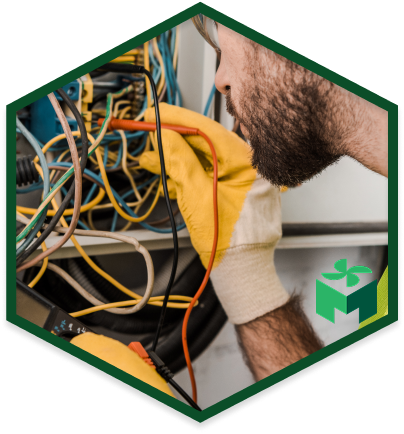
The Panel Replacement Process: How It Works
Replacing an electrical main service panel is a coordinated effort that involves technical precision, safety protocols, and interaction with utility providers. The goal is to restore power as quickly as possible while ensuring every connection is secure.
- Assessment and Load Calculation: The process begins with a detailed evaluation of the existing electrical load. Technicians calculate the total amperage required based on the square footage of the home and the specific appliances in use. This ensures the new panel is sized correctly for both current needs and future expansion.
- Permitting and Utility Coordination: Before any physical work begins, proper permits must be pulled from the local building department. Coordination with the local utility provider is also initiated to schedule the disconnection of power at the service drop or lateral. This administrative step is vital for a legal and safe installation.
- Site Preparation and Safety Setup: On the day of the installation, the work area is cleared and protected. Technicians verify that the power is fully disconnected by the utility company before touching the service entrance cables. Grounding systems are checked to ensure they meet current code requirements, which often involves driving new ground rods or bonding to water pipes.
- Removal and Installation: The old panel and compromised wiring are carefully removed. The new enclosure is mounted securely, weather-sealed if located outdoors, and the service entrance cables are re-terminated. Technicians then systematically reinstall individual circuits, trimming and organizing wires for a clean, professional finish.
- Inspection and Reconnection: Once the installation is complete, a municipal inspector reviews the work to ensure it complies with all safety codes. After passing inspection, the utility company is notified to reconnect the power. A final system test is conducted to verify that all circuits are energized and functioning correctly.
Deciding Between Repair and Full Replacement
Homeowners often hesitate between repairing a single faulty breaker and investing in a full panel replacement. While a simple repair is appropriate for a single worn-out switch, there are specific structural and safety indicators that dictate a full replacement is the only responsible option.
Age is the primary factor. Electrical panels have a lifespan of roughly 25 to 40 years. If a panel is approaching or exceeding this age, internal components such as the bus bar (the metal strip that distributes power) may be corroded or loose. Loose connections create resistance, which generates heat—a primary cause of electrical fires. If you hear buzzing sounds coming from the panel or notice a burning smell, immediate replacement is necessary as these are signs of internal failure that a simple repair cannot fix.
Specific brands of panels are also automatic candidates for replacement due to documented safety failures. Panels manufactured by Federal Pacific Electric (Stab-Lok) and Zinsco are notorious for breakers that fail to trip during an overload. In these instances, the breaker remains closed even when wires are overheating, effectively removing the safety mechanism the panel is supposed to provide. Insurance companies often refuse to cover homes with these specific panels, making replacement a financial and safety necessity — check our specials today.
Renovation plans also drive the decision. If you plan to add a hot tub, a new central air conditioning unit, or a home addition, an older 100-amp panel will likely lack the physical space for new breakers and the electrical capacity to handle the load. Attempting to “double-tap” breakers (putting two wires under one screw) to create space is a code violation and a fire hazard. In these scenarios, replacing the panel is the only way to safely accommodate the new electrical infrastructure.
Critical Considerations for Coastal Environments
Operating an electrical system in Galveston presents unique challenges due to the coastal climate. The high salt content in the air accelerates corrosion, particularly for outdoor service panels and meter cans. Standard painted steel enclosures often rust through within a few years, exposing live electrical parts to the elements.
- Corrosion Resistance: For homes near the coast, upgrading to a NEMA 3R stainless steel or non-metallic enclosure is often recommended. These materials resist salt corrosion significantly better than standard gray steel boxes, ensuring the equipment remains watertight and safe for a longer duration.
- Whole-Home Surge Protection: The region is prone to lightning storms and power surges. Modern panel replacements often include the option to install a whole-home surge protector directly into the panel. This device acts as a gatekeeper, diverting excess voltage away from sensitive electronics and appliances, which is far more effective than relying on power strips alone.
- Generator Interlock Kits: Given the potential for tropical storms and hurricanes, many homeowners are interested in backup power. During a panel replacement, it is the ideal time to install a generator interlock kit. This mechanical device allows a portable generator to safely power the home’s main panel without back-feeding electricity into the grid, which protects utility workers repairing lines down the street.
- Grounding and Bonding: Sandy soil conditions can sometimes affect the quality of the electrical ground. Technicians must ensure that the grounding electrode system is robust. This usually involves driving two ground rods spaced six feet apart or bonding to the steel reinforcement in the concrete foundation (Ufer ground) to ensure a low-resistance path to earth.
Navigating Permits and Regulations
Electrical work is heavily regulated in Texas to ensure public safety. A panel replacement is considered major electrical work and requires adherence to the National Electrical Code (NEC) as adopted by the state and local municipalities.
- Permit Requirements: A permit is mandatory for panel replacements. This process creates a paper trail proving that the work was performed by a licensed professional and inspected by a third-party official. This documentation is often required when selling a home or filing an insurance claim.
- Updating to Current Code: When a main panel is replaced, the “grandfather” clause usually ends for the grounding and bonding system. The electrician must bring the grounding system up to current standards. This might mean bonding the gas and water piping to the electrical system and installing new ground rods. It ensures that if a wire touches a metal pipe, the breaker will trip rather than energizing the plumbing.
- Disconnect Requirements: Newer code cycles require an emergency disconnect on the exterior of the home. If your current panel is located indoors, the upgrade may require installing a separate disconnect switch outside near the meter. This allows first responders to cut power to the house quickly in the event of a fire without entering the building.
Why Professional Execution is Non-Negotiable
Electrical panel replacement is not a DIY project. The service entrance cables coming from the utility remain live even when the main breaker is off, carrying lethal amounts of amperage. Professional electricians possess the specific training, protective gear, and insulated tools required to handle these components safely.
Mackey Services approaches every panel upgrade with a focus on long-term reliability and safety. Proper torque specifications on lugs, neat wire routing, and correct breaker sizing are standard operating procedures. A disorganized panel with “bird’s nest” wiring is not just unsightly; it traps heat and makes future troubleshooting difficult. A professional installation results in a clean, organized, and labeled system that functions flawlessly.
Furthermore, professionals handle the logistics that homeowners often overlook. This includes coordinating the exact time of disconnect with the utility company to minimize the time you are without power. It also involves managing the inspection window so that power can be restored the same day. The risks of improper installation include fire, damage to expensive appliances, and electrocution. Relying on licensed professionals ensures the job is done right the first time.