How the Installation and Replacement Works
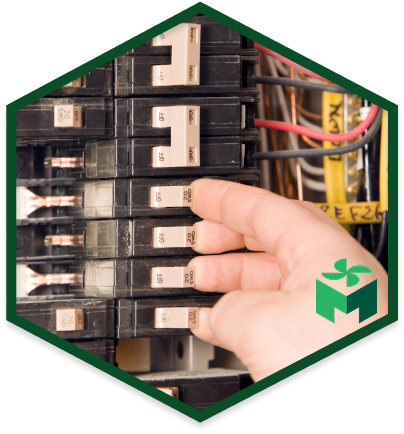
The process of replacing an electrical panel is technical and methodical. It requires strict adherence to safety protocols and coordination with utility providers. Understanding the sequence of events helps you prepare for the brief power interruption required to complete the work safely.
- Site Assessment and Load Calculation: The process begins with a detailed evaluation of your current electrical load. Technicians calculate the total amperage required based on your home’s square footage and major appliances. This ensures the new panel—typically 200 amps or higher—can handle peak usage without tripping.
- Permitting and Utility Coordination: Before a single wire is disconnected, the necessary permits are pulled from the local building department. Coordination with the local utility provider is also initiated to schedule the temporary disconnection of power from the grid to your home. This step is non-negotiable for the safety of the work crew and your property.
- Safe Disconnection and Removal: On the day of service, power is cut at the meter. The existing panel is carefully dismantled. Technicians examine the existing wiring for signs of heat damage, fraying, or insulation breakdown. If the service entrance cable—the large wire connecting the meter to the panel—is degraded, it is identified for replacement.
- Installation and Grounding: The new enclosure is mounted securely to the wall. The grounding system is updated, often involving the driving of new copper ground rods into the earth to ensure a low-resistance path for stray electricity. This is a critical safety feature that stabilizes voltage levels and protects against lightning strikes.
- Circuit Integration and Testing: Individual branch circuits are reconnected to the new breakers. Technicians ensure that the load is balanced evenly across the two main power legs to prevent overheating. Once everything is wired, power is restored, and every circuit is tested for proper voltage and polarity.
- Final Inspection: A municipal inspector reviews the installation to verify it meets all local and state codes. This third-party validation ensures the work was performed correctly and safely.
Determining When Replacement Beats Repair
Homeowners often wonder if a full replacement is necessary or if a simple repair will suffice. While minor issues can be fixed, certain red flags indicate that the panel has reached the end of its service life. Continuing to repair a failing system is often throwing good money after bad and delaying the inevitable need for an upgrade — check our current promotions today.
- Age and Obsolescence: If your home was built between the 1950s and 1980s, it may contain panels from manufacturers like Federal Pacific Electric (FPE) or Zinsco. These panels have documented design flaws that prevent breakers from tripping during an overload, posing a severe fire risk. If you have one of these brands, repair is not a viable option; immediate replacement is the only safe path.
- Physical Deterioration: Visible rust or corrosion on the panel or breakers is a clear sign that moisture has infiltrated the system. In the humid climate of Dickinson, this is a common issue. Water and electricity do not mix. Corrosion increases resistance, creating heat that can melt insulation or cause arcing. Once oxidation has set in, individual component replacement is rarely enough; the entire enclosure usually needs to be swapped.
- Capacity Limitations: If your breakers trip frequently when you run the microwave and the hair dryer simultaneously, your panel is likely undersized. Adding tandem breakers (two circuits in one slot) is a temporary band-aid that can lead to overcrowding and overheating. If you are renovating, adding a suite of new appliances, or installing central air conditioning, Mackey Services recommends a heavy-up (increasing amperage) rather than attempting to squeeze more power out of an existing, maxed-out panel.
- Scorching and Smells: Any signs of scorching on the bus bar, melted plastic on breakers, or a fishy smell near the panel indicate active overheating. These are emergency indicators. A repair might fix the symptom, but a replacement fixes the systemic failure causing the heat buildup.
Local Notes on Permits, Utilities, and Climate
Operating in the Gulf Coast region requires specific attention to environmental factors and local regulations. The electrical infrastructure in Dickinson faces challenges that inland cities do not, specifically regarding moisture and storm resilience.
- Climate and Corrosion: The high humidity and proximity to the coast mean that electrical components are prone to faster oxidation rates. Standard indoor panels installed in garages or unconditioned utility rooms may degrade quicker here than elsewhere. We utilize materials and oxidation inhibitors designed to withstand this specific environment, ensuring the longevity of the connection points.
- Storm Preparedness and Generators: Given the potential for tropical storms and hurricanes, many local homeowners are interested in generator integration. When replacing a panel, it is the ideal time to install a manual transfer switch or a generator interlock kit. This allows you to safely power essential circuits during a grid outage without the risk of back-feeding power into the utility lines, which endangers utility workers.
- Permitting and Compliance: Electrical work in this area is strictly regulated to ensure safety. Work performed without a permit can complicate the sale of your home and may void your homeowner’s insurance policy in the event of a fire. Professional electricians handle the administrative burden of filing for permits with the city and scheduling the required inspections with CenterPoint Energy or Texas-New Mexico Power (TNMP), depending on your specific provider.
- Utility Requirements: Local utility providers have specific requirements regarding the height of the meter can and the placement of the service disconnect. An experienced service provider understands these nuances and ensures the new installation passes utility inspection on the first attempt, preventing delays in power restoration.
Why Professional Execution is Non-Negotiable
Electrical panel replacement is not a DIY project. It involves working with high-voltage main lines that remain live even when the main breaker is off. The margin for error is non-existent. Professional execution ensures that the load calculations are accurate, the grounding is effective, and the workmanship stands up to scrutiny.
Licensed electricians carry the necessary insurance to protect your property during the project. They also provide warranties on labor and materials, offering recourse should any component fail prematurely. By choosing a reputable provider, you ensure that your home’s electrical system is safe, code-compliant, and ready to handle your family’s power needs for decades to come.
Mackey Services is committed to delivering this level of precision and safety to every home we enter. Your power system is too important to leave to chance.