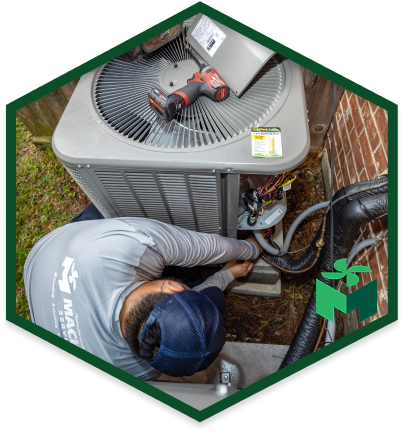
What You Can Expect—Quality and Quickness
When you request service, the expectation is professional competence and respect for your property. The service experience is built around minimizing downtime and maximizing system efficiency. This begins with the dispatch process. You receive clear communication regarding arrival windows, so you are not left waiting all day. Upon arrival, technicians treat your home with care, utilizing shoe covers and drop cloths to protect flooring and furniture during repairs or installations.
The diagnostic phase is thorough. Rather than simply swapping out parts until the unit turns on, advanced diagnostic tools are used to measure airflow, refrigerant pressures, voltage drops, and amperage draws. This data-driven approach ensures that the repair addresses the underlying issue, not just the symptom.
- Accurate Diagnostics: Technicians use digital gauges and thermal imaging to pinpoint inefficiencies in ductwork or electrical hotspots in panels.
- Clear Explanations: You receive a detailed explanation of the problem, including photos or readings, so you understand exactly what is broken.
- Upfront Options: Before any work begins, you are presented with repair options ranging from immediate fixes to comprehensive replacements, allowing you to make an informed decision based on your budget and future plans.
- Code Compliance: Every repair and installation adheres strictly to the National Electrical Code (NEC) and local municipal amendments relevant to Deer Park and the broader region.
Transparent Process From Start to Finish
Navigating home repairs should not be a mystery. The workflow is designed to be transparent, ensuring you know what is happening at every stage of the project. This is particularly important for major projects like a full HVAC system replacement or a main electrical panel upgrade, which involve significant investment and coordination.
The process begins with a comprehensive site evaluation. For HVAC systems, this involves a Manual J load calculation. This calculation considers the square footage of your home, insulation levels, window orientation, and local climate data to determine the exact cooling and heating capacity required. Guesswork often leads to oversized units that short-cycle (turn on and off too frequently), leading to high humidity and premature failure, or undersized units that cannot keep up with the Texas heat.
For electrical work, the assessment includes a load calculation to determine if your current panel can handle modern appliances, EV chargers, or HVAC upgrades. Older homes in the area may still utilize outdated fuse boxes or aluminum wiring, which require specific remediation strategies to ensure safety.
- Proposal and Planning: You receive a written proposal detailing the scope of work, equipment model numbers, warranty terms, and total cost. There are no hidden fees or surprise add-ons later.
- Permitting and Coordination: The administrative team handles all necessary permits required by the city or county. This ensures that the work passes inspection and adds value to your home.
- Installation Execution: Technicians follow manufacturer specifications to the letter. This includes brazing with nitrogen to prevent oxidation in AC lines, properly torqueing electrical connections, and sealing ductwork to prevent energy loss.
- Post-Job Walkthrough: Once the work is complete, the technician demonstrates the operation of the new system, walks you through the thermostat or breaker panel, and answers any questions regarding maintenance.
Deciding Between Repairs or Replacement
One of the most difficult decisions homeowners face is whether to repair an aging component or invest in a new system. This decision is rarely black and white, but specific criteria can help guide the choice. The decision should be based on safety, efficiency, and return on investment.
HVAC and Heating Considerations:
In the HVAC world, the “5,000 Rule” is a common benchmark. Multiply the age of the equipment by the estimated repair cost. If the total exceeds $5,000, replacement is often the wiser financial move — check our current specials. Additionally, consider the refrigerant type. Older units utilizing R-22 (Freon) are becoming prohibitively expensive to repair due to environmental phase-outs. If your system is over 12 years old and requires a major component like a compressor or evaporator coil, investing in a high-efficiency SEER2 system will likely lower your monthly utility bills enough to offset the installation cost over time.
- Frequency of Breakdowns: If you are calling for repairs more than once a year, the system is reaching the end of its reliable life.
- Energy Bills: A sudden spike in energy costs without a change in usage patterns indicates the system is losing efficiency.
- Comfort Issues: Hot or cold spots in different rooms suggest that the system can no longer effectively circulate air or maintain pressure.
Electrical Considerations:
Electrical decisions are often driven by safety and capacity rather than efficiency. If your home still utilizes a 60-amp or 100-amp panel, you likely do not have the capacity for modern living. Remodels, kitchen upgrades, and new HVAC systems often require a service upgrade to 200 amps.
- Safety Hazards: Flickering lights, warm outlets, or a burning smell require immediate professional attention and likely indicate the need for rewiring or panel replacement.
- Outdated Technology: Homes with Federal Pacific or Zinsco panels are often uninsurable due to fire risks and should be replaced immediately.
- Lack of Outlets: Reliance on power strips and extension cords is a fire hazard; installing new dedicated circuits is the correct solution.
Maintaining Your Systems—Seasonal Tips
Preventative maintenance is the key to extending the lifespan of your home systems and avoiding emergency breakdowns during peak weather events. Given the local climate, a proactive approach ensures your home remains a sanctuary regardless of the forecast.
Spring and Summer Focus:
Before the heat sets in, the cooling system requires attention. The condenser coils, located outside, can become clogged with dirt, grass clippings, and pollen, severely reducing their ability to release heat. This forces the compressor to work harder, shortening its life.
- Check and change air filters monthly during high-usage months.
- Clear vegetation and debris from around the outdoor condenser unit.
- Schedule a professional tune-up to check refrigerant levels and clear the condensate drain line to prevent water damage.
Fall and Winter Focus:
While winters are generally mild, the heating system is critical for those freezing nights. Gas furnaces need particular scrutiny regarding the heat exchanger. A cracked heat exchanger can leak carbon monoxide into the home, posing a silent but deadly threat.
- Test all smoke and carbon monoxide detectors and replace batteries.
- Have a professional inspect the furnace ignition system and burner assembly.
- Reverse ceiling fans to push warm air down from the ceiling.
Year-Round Electrical Maintenance:
Electrical maintenance is less seasonal but equally important.
- Test GFCI outlets in kitchens, bathrooms, and outdoor areas monthly to ensure they trip correctly.
- Consider installing whole-home surge protection. The region is prone to lightning storms and grid fluctuations that can destroy sensitive electronics and appliances in milliseconds.
- Inspect the main electrical panel for any buzzing sounds or signs of moisture intrusion.
Navigating Local Codes and Permitting
Homeowners often overlook the importance of building codes until they attempt to sell their home or file an insurance claim. Professional service providers serve as the bridge between your home improvement needs and the regulatory requirements of the municipality.
In Deer Park and neighboring areas, strict codes govern how HVAC systems are sized, how ductwork is sealed, and how electrical circuits are grounded. For instance, code changes may require a disconnect box to be within sight of the AC unit, or for specific AFCI (Arc Fault Circuit Interrupter) protection in bedrooms and living areas.
Ignoring these permits might save time initially but can lead to significant fines, forced removal of unpermitted work, or the voiding of manufacturer warranties. A licensed contractor handles the administrative burden of pulling permits and scheduling city inspections. This provides third-party verification that the work was done correctly and safely. It ensures that the gas lines are pressure-tested, the electrical grounding is sufficient, and the refrigerant lines are leak-free.
Verified Quality—Certifications and Professional Standards
Trust is the currency of the service industry. You invite technicians into your private space to work on complex and potentially dangerous systems. This trust is earned through verified credentials and a commitment to ongoing education — read our customer reviews.
Look for technicians who hold North American Technician Excellence (NATE) certification. This is the gold standard in the HVAC industry, indicating that the technician has passed rigorous testing on real-world working knowledge of heating and cooling systems. On the electrical side, verifying a valid Texas Electrical Contractor License (TECL) is non-negotiable. This license proves the company carries the required liability insurance and worker’s compensation, protecting you from financial liability in the event of an accident on your property.
Beyond individual certifications, the company’s standing with local trade associations reflects a commitment to ethical business practices. A dedication to technical training means that the team is up to date on the latest inverter technologies, smart home integrations, and energy-efficient retrofits.
When you choose a service provider, you are investing in the longevity of your home. The combination of technical expertise, adherence to safety codes, and a customer-centric approach results in a home that is safer, more comfortable, and more energy-efficient. Whether you are dealing with a tripped breaker, a frozen AC coil, or a furnace that blows cold air, professional intervention resolves the immediate crisis and secures your home against future issues.