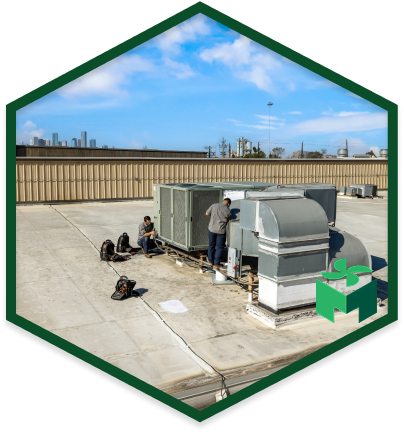
How Commercial Installation and Retrofitting Works
Installing a new commercial HVAC system is a major capital improvement project that requires precise engineering and planning. Unlike a simple swap-out, a commercial installation focuses on “sizing for the load” and ensuring the ductwork infrastructure supports the new equipment. The goal is to maximize the text of the investment through energy efficiency and equipment longevity.
The Assessment and Design Phase
Before any equipment is ordered, a thorough load calculation must be performed. This involves analyzing the square footage, insulation levels, window placement, occupancy rates, and heat-generating equipment inside the building.
- Load Calculation: Technicians determine the exact cooling and heating capacity required, measured in tons, to avoid short-cycling (oversized units) or inadequate cooling (undersized units).
- Ductwork Inspection: Existing ductwork is evaluated for leaks, static pressure issues, and insulation integrity. In many older buildings, duct modification is necessary to accommodate modern, high-airflow units.
- Zoning Strategy: Designing a control strategy that allows different areas of the building to maintain different temperatures based on usage (e.g., keeping a server room colder than a lobby).
The Installation Process
Once the design is finalized, the physical installation is coordinated to minimize disruption to your business operations.
- Site Preparation: This may involve coordinating cranes for rooftop placement, securing permits for street closures if necessary, and setting up safety perimeters.
- Equipment Removal: Safe disconnection and disposal of old units, ensuring all refrigerants are recovered and recycled according to environmental regulations.
- Placement and Connection: New units are positioned, leveled, and connected to the electrical grid, gas lines, and condensate drains.
- System Commissioning: This is the most critical step. Technicians do not simply turn the unit on and leave. They test airflow, measure superheat and subcooling, calibrate thermostats, and verify that the Building Automation System (BAS) is communicating correctly with the new hardware.
Deciding Between Repair and Replacement
Business owners frequently face the dilemma of sinking more money into an aging asset or investing in a new system. This decision should be based on data and Return on Investment (ROI), not just immediate urgency.
- The 50% Rule: A common industry standard for commercial decision-making is the 50% rule. If the cost of the repair approaches 50% of the value of the system (or the cost of a new unit), replacement is generally the smarter financial move.
- Frequency of Breakdown: If a unit requires significant repairs more than once a year, the downtime costs likely outweigh the replacement costs. Constant breakdowns disrupt employee productivity and can drive customers away, which are hidden costs of keeping an old unit alive.
- Energy Efficiency Ratios (IEER/SEER): Older commercial units often operate at significantly lower efficiency levels compared to modern standards.
- SEER2 and IEER: New regulations have raised the bar for efficiency. Upgrading a 10-year-old RTU to a modern high-efficiency model can reduce cooling costs by 20% to 40%.
- Incentives: Higher efficiency units often qualify for rebates from local utility providers or tax incentives, effectively lowering the upfront cost of replacement.
- R-22 Phase Out: If your existing system relies on R-22 refrigerant (Freon), repair costs will be astronomical due to scarcity. Since the production and import of R-22 is banned, you are relying on dwindling recycled stock. Upgrading to a system that uses R-410A or newer low-GWP refrigerants protects you from these volatile maintenance costs.
Navigating Local Regulations and Climate Factors
Operating in Friendswood and the greater Texas region presents specific challenges that do not apply to other parts of the country. Your HVAC provider must be familiar with local codes and the specific demands of the Gulf Coast climate.
Humidity Control is Critical
In this region, the latent heat load (humidity) is often as difficult to manage as the sensible heat load (temperature). High humidity inside a commercial building can lead to mold growth, “sick building syndrome,” and damage to electronics or inventory.
- Dehumidification Strategies: Commercial systems here often require hot-gas reheat circuits or supplementary dehumidifiers to remove moisture without over-cooling the space.
- Ventilation Codes: ASHRAE standards require specific amounts of fresh air intake. However, bringing in hot, humid outside air requires conditioning. Systems must be equipped with economizers and energy recovery ventilators (ERVs) that are calibrated for the local climate to prevent humidity spikes.
Permits and Compliance
Commercial HVAC work is strictly regulated.
- Permitting: Most system replacements and significant repairs require permits from the city. This ensures that the installation meets safety standards regarding electrical connections, gas piping, and structural support.
- TDLR Licensing: The Texas Department of Licensing and Regulation requires specific licenses for contractors performing HVAC work. Hiring an unlicensed contractor puts your business at liability risk and may void manufacturer warranties.
- Environmental Compliance: Proper disposal of refrigerants and oils is monitored. Licensed providers ensure that your business remains compliant with all state and federal environmental regulations.
Maintenance: The Key to Operational Efficiency
The most effective way to avoid emergency expenditures is through a structured maintenance program. For commercial entities, this goes beyond changing a filter. It involves a systematic review of the equipment to maintain its efficiency rating and prevent catastrophic failure.
Preventative Maintenance Checkpoints
- Coil Cleaning: Dirty condenser coils significantly increase head pressure and energy consumption. Regular chemical cleaning is essential, especially in areas with high pollen or dust.
- Belt and Pulley Inspection: Worn belts cause slippage and loss of airflow. Regular tensioning and replacement prevent sudden blower failures.
- Condensate Drain Clearing: Clogged drains can cause water damage to ceilings and inventory. Regular treatment prevents algae buildup common in humid environments.
- Electrical Tightening: Vibration loosens electrical connections over time, leading to arcing and component failure.
By maintaining Mackey Services as your maintenance partner, you ensure a documented service history, which is often required to keep manufacturer warranties valid.