The Repair Process for Commercial Facilities
Commercial HVAC systems are complex networks of mechanical, electrical, and airflow components. Repairing them requires a structured approach to ensure safety and longevity. We do not rely on guesswork; we rely on data and manufacturer specifications.
- Initial System Assessment: The technician arrives on-site and consults with the facility manager to understand the specific symptoms, such as uneven heating, strange odors, or loud noises.
- Safety Inspection: Before any repair begins, we check for safety hazards. For gas systems, this involves checking for carbon monoxide leaks and inspecting the integrity of the heat exchanger. For electric systems, we check for short circuits or fire hazards.
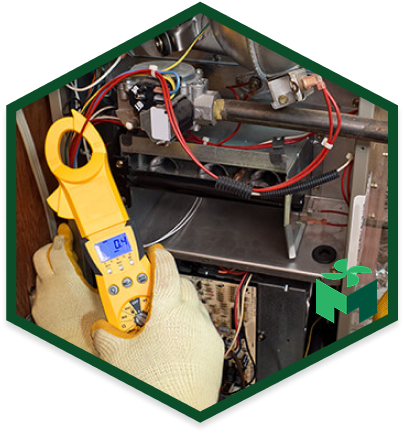
- Comprehensive Diagnostics: Using industrial-grade multimeters and pressure gauges, we test the electrical draw, refrigerant pressures (for heat pumps), and airflow static pressure. This isolates the faulty component.
- Transparent Explanation: Once the issue is identified, we explain the failure in plain language. You receive a clear outline of what is broken, why it broke, and what is required to fix it.
- Execution of Repair: Upon approval, the technician proceeds with the repair. This may involve replacing a compressor, cleaning flame sensors, or swapping out a control board.
- System Testing and Calibration: We do not leave the moment the part is installed. The system is cycled through its operation modes to ensure it reaches the set temperature and cycles off correctly.
- Final Report: You receive documentation of the work performed, including notes on the general health of the system for your maintenance records.
When to Repair vs. When to Replace Your Commercial Unit
Deciding between repairing an existing heating unit or investing in a new system is a financial calculation that involves more than just the immediate price tag. In the commercial sector, reliability and operating costs are paramount. While Mackey Services strives to repair every unit, there are distinct thresholds where replacement becomes the more economically sound decision.
The 50% Rule
A common metric used in commercial asset management is the 50% rule. If the cost of the current repair approaches or exceeds 50% of the value of a new unit, replacement is generally recommended. This is particularly true if the unit is out of warranty, as future repairs will likely continue to compound.
Age and Efficiency
Commercial heating systems typically have a lifespan of 15 to 20 years, depending on maintenance levels and coastal exposure. If your unit is over 15 years old and requires a major component like a heat exchanger or compressor, repair is often a temporary patch on a dying system. Newer units offer significantly higher efficiency ratings. Upgrading can result in monthly utility savings that help offset the installation cost over time — view our specials.
Frequency of Breakdowns
If your facility has required multiple service calls in the last two years, the system is demonstrating unreliability. A “nuisance unit” that fails repeatedly disrupts business operations and costs more in cumulative trip charges and minor repairs than a proactive replacement.
Safety Compromises
Certain failures necessitate immediate replacement for safety reasons. A cracked heat exchanger in a gas furnace, for example, cannot be safely repaired; it must be replaced to prevent carbon monoxide poisoning. In these instances, we will clearly communicate the risks and provide options for rapid unit replacement to ensure building safety.
Managing Commercial Heating in a Coastal Environment
Operating HVAC equipment in Galveston presents unique challenges that do not exist in inland cities. The proximity to the Gulf of Mexico means that your commercial equipment is constantly exposed to salt-laden air. Salt acts as a corrosive agent, accelerating the deterioration of aluminum fins, copper coils, and steel cabinets.
Corrosion and Heating Components
Even though heating systems are used less frequently than cooling systems in this region, the components sit idle for long periods, allowing corrosion to set in. When the heat is finally turned on, rusted electrical connections or corroded burner assemblies can lead to immediate failure. We inspect for this specific type of environmental damage during every repair call. We also check the condition of the outdoor cabinet to ensure it is protecting the internal components from the elements.
Humidity Control
Heating repair in this climate is also closely tied to humidity control. An improperly functioning heating system—specifically a heat pump—can fail to dehumidify the air properly during the “shoulder seasons” when the weather is cool but damp. This can lead to clammy indoor environments and potential mold growth in ductwork. Our repairs ensure that the system is not just heating the air, but also moving it effectively to maintain proper indoor air quality.
Permits and Local Codes
Commercial HVAC work is subject to strict local building codes and safety regulations. Modifying gas lines, changing electrical loads, or altering ventilation requires adherence to these standards. We ensure that all repairs comply with local municipal requirements, keeping your building up to code and avoiding potential fines or insurance issues.
Technical Components We Service
To provide a clearer understanding of our capabilities, it is helpful to look at the specific components that frequently require professional attention. Commercial systems are robust, but they operate under high stress.
- Heat Exchangers: The critical component that separates combustion gases from the breathing air. We inspect these for hairline cracks using cameras and combustion analysis tools.
- Blower Motors and Belts: These components are responsible for moving air through the facility. Loose belts cause squealing and poor airflow, while seized motors stop the system entirely. We adjust tension and replace burnt-out motors.
- Ignition Systems: Modern commercial units use hot surface igniters or spark ignition systems. These electronic components can wear out or crack, preventing the gas from igniting.
- Thermostats and Controls: Commercial buildings often utilize complex building automation systems or programmable thermostats. We troubleshoot communication errors between the control interface and the rooftop unit.
- Reversing Valves: In heat pumps, this valve switches the unit from cooling to heating. If it sticks, the unit will blow cold air even when set to heat. This is a common repair in our region.
Preventative Measures Post-Repair
Once a repair is completed, the goal is to prevent a recurrence. While we are on-site fixing the immediate problem, we look for contributing factors that might have caused the failure. Often, a lack of maintenance is the silent killer of commercial heating systems.
Dirty filters are the most common culprit. In a commercial setting, filters should be changed quarterly or even monthly depending on the business type. A clogged filter restricts airflow, causing the heat exchanger to overheat and the limit switch to trip. This shuts down the system to prevent a fire. Simply replacing the filter and resetting the switch resolves the immediate issue, but establishing a schedule prevents it from happening again.
We also examine the ductwork. Leaking ducts in unconditioned spaces (like a drop ceiling or attic) can pull in humid, salty air, putting extra load on the system. sealing these leaks helps the heating system reach the target temperature faster, reducing wear on the new parts we have just installed.