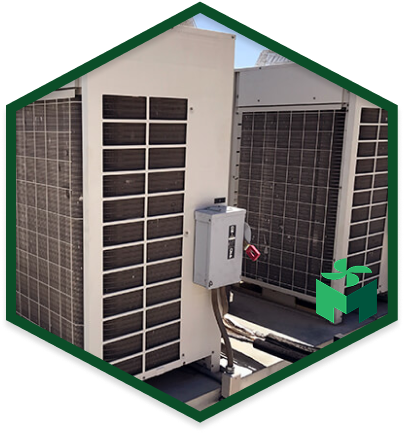
Our AC Repair Process: Quick, Professional, and Transparent
Navigating a commercial repair should not involve administrative hurdles. We have refined our workflow to ensure efficiency from the moment a request is logged until the system is fully operational. This process eliminates ambiguity and ensures that facility managers and business owners are kept in the loop regarding the status of their assets.
- Initial Dispatch and Assessment: First, a certified technician is routed to your location. Upon arrival, they perform a comprehensive system analysis. This goes beyond just checking the thermostat; we inspect electrical connections, refrigerant pressures, belt tension, and motor performance to identify both the immediate failure and any secondary issues.
- Diagnostic Reporting and Quotation: Next, you receive a detailed report of the findings. This includes digital evidence of the failure where applicable. We provide a flat-rate quote for the repair. This transparency ensures that you understand exactly what you are paying for, with no hidden fees or surprise surcharges added after the work is completed.
- Execution of Repairs: Once approval is granted, the technician proceeds with the repair. We adhere to strict safety protocols to protect your property and staff. The work area is kept clean, and operations are conducted with minimal disruption to your daily business activities.
- System Testing and Validation: Finally, the system is not just turned on; it is stress-tested. We monitor the unit through a full cycle to verify that temperature differentials are correct, airflow is balanced, and amp draws are within manufacturer specifications. Only after this validation is the job marked complete.
Common Commercial System Failures We Address
Commercial units face different stressors than residential counterparts. Understanding these failure points helps in making informed decisions about repairs.
- Compressor Malfunctions: The compressor is the heart of the system. In the Texas heat, compressors work overtime. Failures here often stem from electrical issues or refrigerant imbalances. We diagnose whether a compressor can be saved through hard start kits and capacitor replacements or if the internal windings have failed.
- Refrigerant Leaks: Low refrigerant levels reduce cooling capacity and strain the compressor. Simply “topping off” the system is illegal and ineffective. We locate the leak using electronic detectors, repair the breach, and recharge the system to factory specifications, adhering to EPA regulations regarding refrigerant handling.
- Electrical and Sensor Issues: Commercial systems rely on a complex network of contactors, relays, and sensors. A single failed relay can shut down an entire RTU. We trace electrical circuits to find loose connections, corroded wires, or failed boards that interrupt the cooling cycle.
- Drainage and Moisture Problems: In humid areas like League City, condensate lines can clog quickly with algae and debris. This leads to water damage and system shutoffs via float switches. We clear these blockages and treat the lines to prevent recurrence.
Repair or Replace: Deciding What’s Best for Your Commercial HVAC
A critical decision for any facility manager is determining when to stop repairing an aging unit and when to invest in a replacement. This decision affects capital expenditure budgets and long-term operational costs. Mackey Services provides the data needed to make this calculation.
- The 50% Rule: If the cost of the repair approaches 50% of the value of a new system, replacement is generally the wiser financial move. Investing heavily in an old unit often leads to diminishing returns as other components are likely to fail shortly after.
- Age and Efficiency: Commercial HVAC systems typically last 15 to 20 years. If your equipment is over 15 years old and requires a major repair (like a compressor or heat exchanger), replacement offers the benefit of modern efficiency standards. Newer units often have higher SEER ratings, which can significantly lower monthly energy bills, offsetting the installation cost over time.
- Frequency of Breakdowns: If your business is calling for service multiple times a year, the cumulative cost of service calls, parts, and downtime exceeds the cost of financing a new unit. Frequent breakdowns also indicate that the system has become unreliable, posing a risk to inventory or employee comfort.
- Refrigerant Phase-Outs: Older systems utilizing R-22 refrigerant are becoming prohibitively expensive to repair due to the global phase-out of this chemical. If your system runs on R-22 and develops a leak, a retrofit or replacement is often the only viable option.
Local Guidelines and Seasonal Advice for Texas
Operating commercial HVAC in Texas requires specific attention to regional variables. The environmental load on a system in the coastal humidity of League City differs slightly from the demands in drier inland cities, yet the regulatory and utility landscape shares commonalities.
- Impact of Humidity on Load Calculations: In coastal zones, your AC does not just cool air; it dehumidifies it. High humidity forces the unit to run longer cycles. If a system is short-cycling, it may fail to remove moisture, leading to “muggy” indoor air and potential mold growth. We ensure repairs address latent cooling capacity to handle this moisture load.
- Utility Rebates and Incentives: Providers such as CenterPoint Energy and TXU Energy often offer incentives for upgrading to high-efficiency equipment or performing specific tune-ups. When repairs involve significant upgrades, checking for current commercial rebates can provide financial relief.
- Permitting and Code Compliance: Commercial HVAC work in Texas is subject to strict building codes. This includes requirements for outdoor air intake (ventilation), proper drainage, and electrical safety. Unauthorized repairs that violate these codes can lead to fines or issues during building inspections. We ensure all work remains fully compliant with local and state regulations.
- Seasonal Maintenance Schedules: The transition from peak summer heat to milder winters is the ideal time for inspection. Neglecting coil cleaning in the spring leads to high head pressure and failures in July. We recommend checking belts and filters quarterly to maintain airflow and efficiency.
Technical Expertise and Service Standards
Selecting a service provider for commercial infrastructure is a business decision based on competence and reliability. Our technicians hold the necessary certifications to work on complex commercial tonnage. We do not use subcontractors for core technical work; our team is trained in-house to maintain strict quality control.
We invest in the latest diagnostic technology. This allows us to pinpoint issues that others might miss, reducing the time your system is offline. From 3-phase electrical troubleshooting to complex zone control adjustments, our technical capabilities ensure that the repair is done correctly the first time. We also maintain a clean job site. We understand that your business has an image to maintain, and our technicians present themselves professionally, respecting your workspace and your customers.