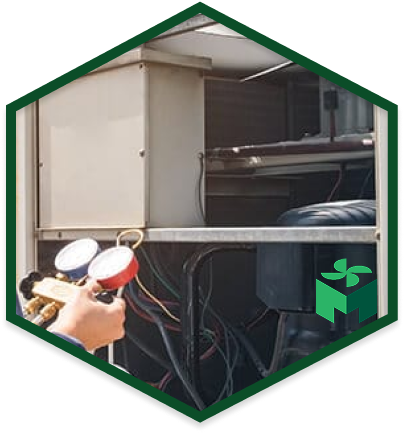
What You Gain from Professional AC Installation Today
Investing in a modern commercial air conditioning system is a capital expenditure that yields immediate operational returns. Older units, even those that are still technically running, often utilize outdated refrigerants like R-22 and operate at much lower SEER (Seasonal Energy Efficiency Ratio) ratings compared to modern standards.
Enhanced Energy Efficiency and Cost Reduction
Modern commercial HVAC technology has advanced significantly in the last decade. New systems utilize variable-speed compressors and advanced fan technology to match cooling output precisely to the building’s current demand. This prevents the energy spikes associated with the constant on-off cycling of older, single-stage units. For a business in Dickinson, this efficiency directly correlates to lower monthly utility bills, freeing up capital for other operational needs — check current specials now.
Superior Humidity Control
In our coastal region, temperature is only half the battle. High humidity levels can lead to mold growth, “sick building syndrome,” and discomfort even when the thermostat reads a cool temperature. Modern installations include advanced dehumidification capabilities. By removing excess moisture from the air more effectively, these systems protect your building materials, electronics, and the health of your occupants.
Smart Building Integration
New installations often come ready for integration with smart thermostats and Building Management Systems (BMS). This allows facility managers to monitor performance remotely, set schedules that align with occupancy hours, and receive alerts for maintenance needs before they become critical failures. This level of control shifts your maintenance strategy from reactive to proactive.
Commercial System Types We Install
- Rooftop Units (RTUs): Packaged units that save indoor space and provide accessible maintenance.
- Split Systems: Ideal for buildings with specific zoning requirements or limited roof access.
- VRF Systems: Variable Refrigerant Flow systems for high-efficiency, zoned cooling in complex structures.
Step-by-Step Commercial AC Installation Process
A successful installation relies on a structured, engineering-backed workflow. We do not guess when it comes to capacity or design; we follow a rigorous protocol to ensure the equipment perfectly matches the building’s envelope. Mackey Services adheres to the following methodology for every commercial project.
-
Load Calculation and Site Assessment:
First, we perform a detailed Manual N commercial load calculation. This goes beyond square footage; we analyze window placement, insulation levels, occupancy rates, heat-generating equipment (like servers or machinery), and lighting loads. This data determines the exact tonnage required to cool the space efficiently.
-
Ductwork and Infrastructure Inspection:
Next, we evaluate the existing ductwork and airflow distribution network. Placing a high-efficiency unit on leaking or undersized ductwork defeats the purpose of the upgrade. We identify necessary modifications to the plenum, return drops, or supply runs to ensure balanced air pressure throughout the facility.
-
Safe Removal and Disposal:
Then, we coordinate the safe disconnection and removal of the old equipment. This often involves recovering old refrigerant according to EPA guidelines to prevent environmental contamination. For rooftop replacements, we manage the logistics of crane operations, ensuring site safety and proper permitting for heavy lifting.
The new unit is set in place, leveled, and secured to handle high wind loads common in Texas. We braze refrigerant lines using nitrogen purging to prevent oxidation, connect high-voltage electrical lines, and install condensate drainage systems with necessary safety switches.
-
Commissioning and Testing:
Finally, we do not simply turn the unit on and leave. We perform a full commissioning process. This includes checking refrigerant charge (subcooling and superheat), measuring static pressure in the ducts, and verifying that the thermostat controls are communicating correctly with the unit. We verify the system reaches the set point and maintains it under load.
Deciding Between AC Replacement or Repair
Facility managers often struggle with the decision to repair a failing unit or authorize a capital expenditure for a replacement. While repairs are cheaper upfront, they can be financially draining over time. We help businesses make data-driven decisions based on the condition of their current assets — view our pricing guide.
The 50% Rule
A common metric used in commercial HVAC is the 50% rule. If the cost of the repair approaches 50% of the value of a new system, replacement is generally the smarter financial move. This is particularly true if the unit is out of warranty, as subsequent breakdowns are likely to occur, compounding the costs.
System Age and Reliability
Commercial AC units in Texas typically have a lifespan of 15 to 20 years, depending on maintenance history. If your system is over 15 years old and requires a major component replacement—such as a compressor or heat exchanger—replacement is usually recommended. Older units also struggle to find parts availability, leading to extended downtime that a business cannot afford.
Refrigerant Type
If your current system utilizes R-22 refrigerant (Freon), you are dealing with an obsolete system. The production and import of R-22 have been banned, making repairs involving refrigerant recharge exorbitantly expensive. Upgrading to a system that uses R-410A or newer eco-friendly refrigerants future-proofs your facility against regulatory changes and rising maintenance costs.
Navigating Texas Regulations and Seasonal Considerations
Operating in Dickinson and the broader Texas region requires adherence to specific regulations and an understanding of our unique environmental challenges. Commercial HVAC is not a “one size fits all” service; it is dictated by local codes and climate realities.
Permitting and Code Compliance
Commercial HVAC installations require strict adherence to local building codes. This includes electrical safety standards, energy conservation codes (IECC), and proper ventilation requirements (ASHRAE standards). We handle the administrative burden of pulling necessary permits and scheduling inspections. This ensures that your installation is legal, safe, and will not cause issues during future property sales or insurance audits.
Coastal Environmental Factors
Being located near the Gulf Coast, Dickinson properties are subject to salt air and high humidity. This environment accelerates corrosion on outdoor condenser coils and cabinets. When selecting equipment, we consider units with factory-applied corrosion-resistant coatings or recommend third-party coating services to extend the physical life of the equipment. Standard units without this protection often suffer from premature coil failure in our region.
Seasonal Timing for Installation
While we provide emergency replacement services during the peak of summer, the ideal time for planned replacements is during the “shoulder seasons”—spring or autumn. Scheduling installations during these cooler months allows for more flexibility in downtime planning and often ensures faster equipment availability. However, we are fully staffed and equipped to handle mid-summer emergencies to keep your business running.
Why Choose Us? Certifications and Real Customer Feedback
Selecting a commercial HVAC partner is about trust and technical competency. You need a team that understands the complexities of commercial 3-phase power, complex zoning, and large-scale air distribution — read our reviews online.
Technical Certification and Training
Our technicians undergo rigorous training and hold certifications relevant to commercial systems. We are well-versed in NATE-certified procedures and stay updated on the latest manufacturer specifications. This technical depth means we diagnose issues correctly the first time and install systems that perform to the manufacturer’s rated efficiency.
Project Management and Accountability
We assign dedicated project management to commercial installations. From the initial quote to the final walkthrough, you have a point of contact who communicates timelines, manages the crew, and ensures the site is left clean. We understand that we are working in your place of business, and we conduct our operations with professionalism to respect your employees and customers.