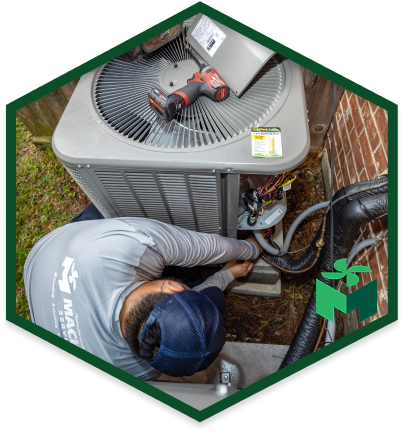
What You Get With Comprehensive Diagnostics
The decision to call a professional comes with the expectation of clarity and competence. The service appointment begins with a thorough diagnostic phase. This is not a cursory glance; it is a systematic evaluation of your HVAC unit or electrical grid using advanced testing equipment.
Technicians arrive in fully stocked vehicles, prepared to handle the vast majority of common repairs on the spot. For air conditioning and heating, the diagnostic process includes checking static pressure, measuring temperature differentials, inspecting ductwork for leakage, and testing all electrical components within the furnace or condenser.
For electrical service calls, the diagnostic covers the main panel, circuit breakers, accessible wiring, and the specific fixtures or outlets causing trouble. The goal is to identify the root cause, not just the symptom. Once the issue is isolated, you receive a clear, flat-rate explanation of the required repairs.
- The technician provides a written report of findings, detailing exactly what failed and why.
- You receive immediate options for repair versus replacement, depending on the severity of the damage.
- Approved repairs often begin immediately, utilizing high-quality parts that meet or exceed original equipment manufacturer (OEM) specifications.
- The workspace is kept clean, with technicians using shoe covers and drop cloths to protect your flooring and furniture.
How the Installation and Replacement Process Works
There comes a point where repairing an aging system is no longer the most prudent financial decision. When a new installation is necessary, the process is streamlined to minimize disruption to your daily life while ensuring the new system operates at peak efficiency.
The process moves sequentially to ensure no detail is overlooked:
- Load Calculation and Sizing: For HVAC, a Manual J load calculation is performed. This determines the exact heating and cooling requirements of your specific floor plan, accounting for windows, insulation levels, and square footage. For electrical work, a load calculation ensures your main panel can support new appliances, EV chargers, or HVAC units.
- System Selection: You are presented with options ranging from standard efficiency models to high-efficiency, variable-speed systems. This stage also includes selecting compatible thermostats and air quality accessories.
- Site Preparation: The installation team prepares the site, protecting the surrounding area. Old equipment is disconnected safely, with refrigerants recovered according to EPA regulations.
- Installation: The new equipment is installed. This includes brazing copper lines, connecting high-voltage wiring, and fabricating transition ductwork if necessary. For electrical panels, the main breakers are replaced, and circuits are labeled clearly.
- Commissioning: The most critical step is commissioning. The system is not just turned on; it is calibrated. Gas pressure is adjusted, refrigerant charge is weighed in, and airflow is balanced.
- Walkthrough: The lead technician demonstrates how to operate the new system, change filters, or reset breakers, ensuring you are fully comfortable with the new technology.
Deciding When Replacement Beats Repair
Homeowners often struggle with the decision to repair an existing unit or invest in a new one. While repairs are often cheaper upfront, they can be more expensive over time if the system is nearing the end of its lifespan. Industry professionals use specific metrics to guide this decision, removing the emotion from the equation.
Consider the “50% Rule.” If the cost of the repair approaches 50% of the value of a new system, replacement is generally the wiser investment. Additionally, the age of the equipment is a primary factor. Heat pumps and air conditioners in Bellaire typically last 10 to 15 years due to the heavy workload required by the climate. Furnaces may last slightly longer. If your equipment is over 12 years old and requires a major component like a compressor or heat exchanger, replacement offers better long-term value.
Efficiency is the second major factor. Older units often operate at 10 SEER or lower, while modern units start at 14 SEER and go much higher. Replacing an old unit can result in significant monthly energy savings, effectively paying for a portion of the new system over time.
- Repair is recommended when: The system is under 10 years old, the repair cost is low, and the unit has a history of reliable maintenance.
- Replacement is recommended when: The system uses phased-out refrigerant (like R-22), utility bills are rising despite normal usage, or the unit requires frequent repairs (more than once a season).
- Safety considerations: Any system with a cracked heat exchanger (carbon monoxide risk) or damaged electrical wiring that violates current codes should be replaced immediately.
Local Considerations: Permits, Utilities, and Climate
Operating in this region requires specific knowledge of local building codes and environmental challenges. Bellaire has distinct requirements for permitting, especially regarding electrical panel upgrades and HVAC change-outs. Professional service providers manage the entire permitting process, ensuring that all work passes municipal inspections. This is vital for insurance purposes and future home sales.
The local climate also dictates specific equipment needs. The high humidity levels mean that air conditioners must be sized correctly to remove moisture effectively. An oversized unit will cool the air too quickly without dehumidifying it, leading to a “clammy” indoor feel. Technicians must understand the sensible vs. latent heat ratios required for this specific geography.
Electrical considerations are equally local. Many older homes in the area may still have aluminum wiring or outdated fuse boxes that are no longer insurable. Upgrading these systems to modern copper wiring and breaker panels is a common necessity. Furthermore, the threat of tropical storms makes standby generators a popular and practical addition for many residents.
- Permits: All major installations require a permit from the city. This ensures the work meets safety codes. Unpermitted work can result in fines and complications when selling the home.
- Utility Rebates: Local utility providers frequently offer incentives for upgrading to high-efficiency heat pumps or smart thermostats. Your service provider can help identify these opportunities.
- Corrosion Protection: Coastal influence can lead to faster corrosion of outdoor condenser coils. specialized coatings or specific equipment placement can mitigate this.
Why Certified Professionals Ensure Long-Term Reliability
Your home’s mechanical and electrical systems are complex. Trusting them to general handymen or unlicensed contractors puts your property at risk. Certified professionals bring a level of expertise and accountability that ensures the job is done right the first time.
Licensing is not just a formality; it is proof of competency. Electrical work, in particular, carries significant risks of fire and electrocution if handled incorrectly. Licensed electricians understand the National Electrical Code (NEC) and local amendments, ensuring every connection is secure and compliant.
For HVAC, certifications such as NATE (North American Technician Excellence) indicate that a technician has passed rigorous testing on real-world working knowledge. These technicians understand the science of airflow, thermodynamics, and electrical control circuits. Mackey Services employs technicians who are committed to ongoing training, staying ahead of industry advancements and changing regulations.
- Warranty Preservation: Most equipment manufacturers require proof of installation and maintenance by a licensed professional to honor warranties. DIY or unlicensed work often voids these valuable protections.
- Safety Protocols: Professionals follow strict safety protocols, including handling high-voltage electricity and pressurized refrigerants, protecting your family and home during the service.
- Proper Tooling: specific tasks, such as vacuuming down an AC line set to 500 microns or torqueing electrical lugs to spec, require expensive, specialized tools that professional vans carry as standard inventory.