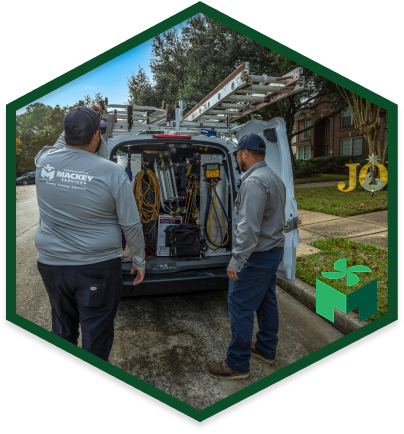
Understanding Your AC Repair Process: Step-by-Step
We believe in a transparent, logical approach to service. You need to know exactly what is wrong, how much it will cost to fix, and when it will be running again. Our technicians follow a disciplined workflow to ensure nothing is overlooked.
- Initial System Assessment: The technician arrives and performs a comprehensive evaluation. This involves checking thermostat settings, measuring airflow, and inspecting the outdoor condenser and indoor evaporator units. We listen for unusual noises and test electrical voltages to isolate the failure.
- Diagnostic Reporting: Once the problem is identified, we explain the failure in clear terms. We do not use jargon to confuse the situation. You are shown exactly what failed and why.
- Upfront Quoting: Before any tool touches your equipment for repairs, you receive a firm price quote. This figure covers parts, labor, and taxes. There are no hourly billing surprises or unexpected add-ons at the end of the job.
- Execution of Repairs: Upon your approval, the technician proceeds with the work. We use drop cloths and protective shoe covers to respect your property. The repair is performed according to manufacturer standards to preserve any existing equipment warranties.
- System Testing and Validation: Installing a part is not the end of the job. We run the system through a full cycle to verify that the repair held. We measure the temperature difference (Delta T) between the supply and return air to ensure the unit is actually cooling, not just blowing air.
- Final Walkthrough: The technician explains what was done, provides maintenance tips to prevent recurrence, and ensures the workspace is clean before departing.
Deciding Between AC Repair and Replacement: What You Need to Know
Homeowners often face a difficult choice when an older unit breaks down: is it worth fixing, or is it time to invest in a new system? This decision involves more than just the immediate cost of the repair. It requires an analysis of the unit’s history, efficiency, and future reliability.
Mackey Services helps you calculate the return on investment for a repair versus a replacement using objective data points — view our seasonal specials for savings.
- The 50% Rule: If the cost of the repair approaches or exceeds 50% of the value of a new system, replacement is generally the wiser financial move. Investing heavy capital into a dying asset rarely pays off.
- The Age Factor: In our climate, the average lifespan of an air conditioner is often shorter than the national average due to extended run times. If your unit is over 10 to 12 years old and facing a major component failure (like a compressor or leaking coil), efficiency losses usually justify a replacement.
- Refrigerant Type: Older systems utilizing R-22 (Freon) are becoming prohibitively expensive to repair due to the global phase-out of this refrigerant. If your R-22 system has a leak, retrofitting or repairing it is often throwing good money after bad. Modern systems use R-410A or newer, eco-friendly alternatives that are cheaper to service.
- Frequency of Breakdowns: If you have required multiple repairs in the last two years, the system is likely entering a cascade of failures. One part breaks, putting stress on others, leading to a cycle of continuous expense.
- Energy Efficiency (SEER Ratings): Older units may have a SEER rating of 10 or 12. Modern standards require higher efficiency. upgrading can sometimes reduce monthly utility bills enough to offset the monthly cost of financing a new system.
Local Guidelines and Seasonal Advice for AC Services
Operating an HVAC system in Pearland requires specific attention to regional weather patterns and local regulations. The environment here is aggressive toward mechanical equipment, and understanding these factors helps in maintaining a comfortable home.
Battling Humidity and Heat
The humid subtropical climate means your AC does two jobs: cooling the air and removing moisture.
- Dehumidification: If your system is oversized, it will cool the house too quickly and shut off before it has removed the humidity. This leads to a cold, clammy feeling. Proper sizing during repairs or potential system modifications is critical to maintaining indoor air quality.
- Coil Corrosion: The wet winters and humid summers can accelerate corrosion on outdoor condenser coils. Keeping these coils clean and free of debris is essential for heat transfer. A dirty coil drives up electricity usage and risks compressor failure.
- Drainage Issues: The high volume of water removed from the air during summer operation creates a perfect environment for algae growth in drain lines. Regular flushing of these lines is necessary to prevent water damage to ceilings or floors.
Storm Preparedness
Thunderstorms are frequent in spring and early summer. Lightning strikes and power surges are common causes of sudden AC death.
- Surge Protection: We highly recommend installing whole-home or unit-specific surge protectors. A single surge can fry the circuit boards and motor windings of a modern, sensitive AC unit.
- Debris Management: After heavy storms, check the outdoor unit for leaves, branches, or mud splattered against the fins. Restricted airflow kills efficiency.
Permits and Compliance
In Texas, HVAC work is regulated to ensure consumer safety and energy efficiency.
- Licensing: Anyone working on your air conditioner must be a licensed HVAC contractor. This ensures they carry the necessary insurance and have passed state-level competency exams.
- Refrigerant Handling: Federal law mandates strict protocols for handling refrigerants to prevent venting into the atmosphere. Our technicians are EPA-certified to handle, recover, and dispose of refrigerants responsibly.
- Building Codes: Major repairs or replacements often trigger requirements to bring certain aspects of the system up to current code. This might include disconnect boxes, wire sizing, or platform stability. We handle all compliance aspects so you do not face issues when selling your home later.