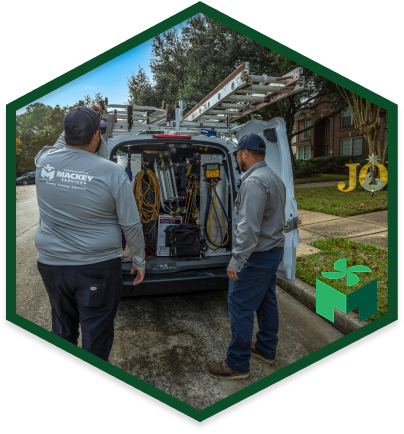
Your Guide to Our AC Repair Process
We have structured our service engagement to be transparent, efficient, and respectful of your time. You will never be left guessing about the arrival of a technician or the cost of a repair. The process is designed to move from diagnosis to resolution in a single visit whenever possible, minimizing the downtime of your cooling system.
- Scheduling and Dispatch: Upon your request, our dispatch team coordinates the nearest available technician. You receive a notification when the technician is en route to your home in League City or the surrounding area, ensuring you aren’t stuck waiting within a vague four-hour window.
- On-Site Diagnostic: The technician begins with a thorough inspection of the thermostat, indoor air handler, and outdoor condenser unit. We utilize digital gauges and multimeters to get accurate readings of pressures and temperatures. This data allows us to present you with a factual diagnosis of why the system failed.
- Upfront Approval: Before any tool is applied for a repair, we present a clear explanation of the issue and a flat-rate quote for the fix. You authorize the work before we proceed. There are no surprise hourly billing spikes; the price agreed upon is the price you pay.
- Execution and Verification: The technician performs the repair using OEM or high-quality aftermarket parts. After the repair is complete, we do not simply leave. We cycle the system, measuring the temperature split (the difference between the air going into the return and the air coming out of the vents) to prove the system is cooling effectively.
- Site Cleanup: We treat your property with respect. Drop cloths are used around work areas, and any debris, old filters, or failed parts are removed from the premises.
Deciding Between AC Repair and Replacement
Homeowners often face the difficult choice of sinking money into an aging unit or investing in a new system. This decision should be based on data and financial logic, not sales pressure. We help you evaluate the viability of a repair based on the age of the unit, the cost of the repair, and the system’s recent performance history.
The “5,000 Rule” is a helpful metric we often discuss. Multiply the age of your equipment by the estimated repair cost. If the total exceeds $5,000, replacement is generally the more improved financial decision. For example, a 12-year-old unit requiring a $500 repair (Total: 6,000) is likely near the end of its life, and those funds would be better applied to a new system with a warranty.
Consider the refrigerant type as well. Older systems utilize R-22 (Freon), which has been phased out and is exponentially more expensive to replace than the modern R-410A or newer refrigerants. If your older unit has a major refrigerant leak, the cost to recharge it often approaches the cost of a down payment on a new, high-efficiency system.
- Frequency of Breakdowns: If you are calling for repairs more than once a year, the system is becoming a liability.
- Energy Bills: A sudden spike in energy costs indicates the internal components are working harder to produce the same amount of cooling, signaling a loss of efficiency.
- Uneven Cooling: If some rooms are freezing while others are hot, the system may have lost the capacity to compress refrigerant effectively or move air through the ductwork.
- Catastrophic Component Failure: Failures of the compressor or heat exchanger on an out-of-warranty unit usually dictate replacement due to the sheer cost of the parts and labor.
Mackey Services provides honest assessments. If a repair will buy you another three to five years of reliable cooling, we will recommend the repair. If a repair is merely a temporary band-aid on a dying system, we will show you the math on why replacement makes more sense.
Important Local Information for AC Services
Operating an air conditioning system in the Gulf Coast region presents unique challenges that differ from other parts of the country. The extreme humidity levels in this area mean your AC must work double-duty: cooling the air and dehumidifying it. If a unit is short-cycling (turning on and off too quickly), it fails to remove humidity, leading to a clammy indoor environment and potential mold growth.
Local codes and regulations also play a significant role in HVAC work here. When performing significant repairs or replacements, specific permits may be required to ensuring the electrical connections and drainage systems meet safety standards. We handle all permitting requirements for our clients, ensuring that your system is not only functional but legally compliant.
Corrosion is another major factor for residents in this area. The proximity to salt air can accelerate the deterioration of aluminum fins and copper coils on the outdoor condenser. We check for salt corrosion during every repair visit and can recommend coil coatings or specific maintenance protocols to extend the lifespan of your unit against the elements.
- Utility Rebates: Local utility providers frequently offer rebates for repairing ductwork or upgrading to higher efficiency units. We stay updated on these programs to help you save money.
- Hurricane Preparedness: We advise on securing outdoor units. During a storm, high winds can dislodge condensers. Proper tie-downs and surge protectors are essential for protecting your investment during storm season.
- Drain Line Maintenance: The high algae growth rate in this humid climate clogs drain lines faster than in dry climates. Regular flushing is critical to prevent water damage to ceilings and floors.