What Our Service Includes – From Diagnosis to Cooling
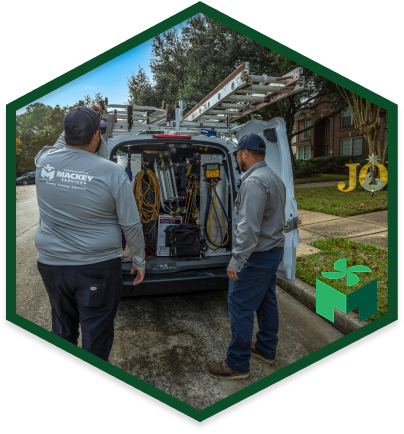
A professional repair service goes far beyond simply swapping out a part. It involves a systematic analysis of the entire HVAC system to ensure that the repair restores efficiency and longevity to the unit. Our technicians arrive in fully stocked trucks, prepared to handle a wide variety of common and complex issues on the spot.
Comprehensive System Diagnostics
Every repair visit begins with a thorough inspection. We do not guess; we measure and test. This process ensures that we identify not only the broken component but also any contributing factors that could cause future breakdowns.
- Electrical Analysis: We test capacitors, contactors, and wiring connections to ensure voltage and amperage readings are within manufacturer specifications.
- Refrigerant Levels: We check operating pressures and superheat/subcooling levels to detect leaks or improper charge, which are common causes of cooling loss.
- Airflow Assessment: We inspect the blower motor, filter, and ductwork to ensure air is moving freely across the coils.
- Safety Controls: We verify that all safety switches, such as high-pressure switches and float switches, are functioning to prevent water damage or catastrophic failure.
Targeted Repairs and Component Replacement
Once the issue is diagnosed, we move to the repair phase. We use high-quality, OEM-grade parts to ensure compatibility and reliability.
- Capacitor and Contactor Replacement: Electrical components often fail due to heat fatigue. We replace these with durable parts rated for high-load operation.
- Refrigerant Leak Repair: Simply adding refrigerant is not a fix. We locate the leak using advanced detection methods, repair the breach, and recharge the system to factory specs.
- Drain Line Clearing: In humid climates, condensate lines often clog with algae and debris. We clear these lines and treat them to prevent backups that trigger safety shutoffs.
- Fan Motor Replacement: If the outdoor fan or indoor blower fails, heat exchange stops. We replace motors and verify rotation and speed settings.
Understanding AC Repair Processes – What Happens Next?
Knowing what to expect during a service call eliminates the stress of the unknown. We follow a streamlined process designed to be respectful of your time and property while ensuring a thorough repair.
- Arrival and Setup: The technician arrives within the scheduled window, wearing shoe covers and using drop cloths to protect your flooring.
- Initial Assessment: We listen to your description of the problem and perform a visual inspection of the thermostat, indoor unit, and outdoor condenser.
- Testing and Diagnosis: Using specialized gauges and meters, we test the system’s performance against technical benchmarks to pinpoint the failure.
- Explanation and Quote: Before any tool touches a bolt for repair, we explain the diagnosis clearly. We provide a flat-rate quote for the repair so you understand the investment required.
- Execution of Repair: Upon your approval, we proceed with the repair. If the part is on the truck, work begins immediately.
- System Validation: After the repair is complete, we run the system through a full cycle to verify that the temperature drop is correct and the unit is cycling properly.
- Site Cleanup: We remove all old parts, packaging, and debris, leaving your home exactly as we found it.
Deciding When to Repair or Replace Your AC
Homeowners frequently face the dilemma of sinking money into an old unit or investing in a new system. While our primary goal is to repair your existing equipment, there are mathematical and practical limits where repair ceases to be the best financial decision. We help you evaluate the condition of your system so you can make an educated choice.
The Age and Refrigerant Factor
Air conditioners generally have a lifespan of 10 to 15 years, particularly in coastal areas where salt air accelerates corrosion. If your system is over 10 years old and requires a major repair, replacement might be more prudent. Additionally, older systems utilizing R-22 refrigerant are becoming prohibitively expensive to service due to the phase-out of that chemical. If your unit relies on R-22 and has a leak, upgrading to a modern R-410A or R-32 system is often the only viable long-term solution.
The Cost of Repair vs. System Value
Industry experts often suggest the “50% Rule.” If the cost of the repair approaches 50% of the value of a new system, replacement is usually the better option. Furthermore, if you have required multiple repairs in the last two years, those costs add up quickly. A new system offers the benefit of a factory warranty, whereas repairing an old “money pit” offers no guarantee against the next component failing — check our specials today.
Efficiency and Performance
Newer systems utilize higher SEER2 (Seasonal Energy Efficiency Ratio) standards. An old unit, even when running “well,” may be costing you significantly more in electricity bills than a modern, high-efficiency unit. If your energy bills are climbing despite regular maintenance, the internal wear on the compressor and coils may have degraded the system’s efficiency beyond the point of return.
Important Local Regulations for AC Repair in Galveston
Operating in a coastal environment requires adherence to specific local codes and environmental regulations. Mackey Services ensures full compliance with all city and state mandates to protect your home and the local ecosystem.
- Refrigerant Handling: The EPA has strict guidelines regarding the recovery and disposal of refrigerants. Venting refrigerant into the atmosphere is illegal and harmful. We use certified recovery machines to handle all refrigerants responsibly during repairs.
- Corrosion and Coastal Considerations: Local codes often recommend or require specific tie-downs and stands for outdoor units to withstand high winds during hurricane season. When performing repairs, we inspect the structural integrity of these mounts to ensure your unit remains secure during storms.
- Electrical Permits: For major repairs involving electrical disconnects or circuit modifications, local building codes may require specific breaker sizes and wire gauges. We ensure all electrical work meets the National Electrical Code (NEC) as adopted by local authorities.
- Condensate Management: Because of the extreme humidity, condensate drainage is heavily regulated to prevent water damage and structural rot. We ensure that primary and secondary drain lines are routed correctly and that overflow switches are installed according to code.
Why Choose Us? Credentials and Community Feedback
Selecting a service provider is about trust and technical capability. You need a team that understands the specific challenges of cooling a home in this region, from fighting humidity to combating salt corrosion on outdoor coils.
Technical Expertise and Certification
Our technicians undergo rigorous training to stay updated on the latest HVAC technologies and repair techniques. We work on all major makes and models, ensuring that whether you have a standard split system, a heat pump, or a ductless mini-split, we have the knowledge to fix it. We are fully licensed and insured, protecting you from liability during the service process.
Respect for Your Home and Time
We operate with a customer-first mindset. This means transparent communication regarding arrival times and a commitment to keeping your home clean. We do not employ high-pressure sales tactics. Our job is to present you with the facts about your system’s health and provide the repairs you need to stay cool.