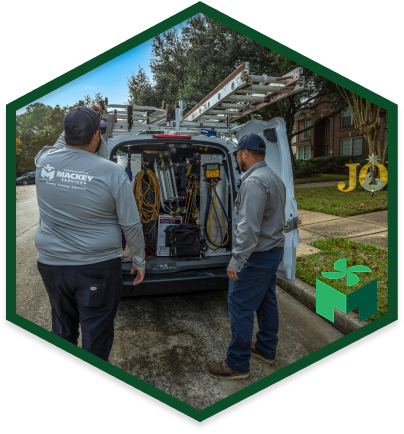
The Professional Repair Process
Restoring a cooling system involves a systematic approach to ensure the fix is permanent and the unit operates at peak efficiency. This process moves beyond simple guesswork, utilizing industry-standard protocols to diagnose complex HVAC problems.
Comprehensive System Assessment
The process initiates with a discussion regarding the symptoms observed. Homeowners often report unusual noises, distinct odors, or specific rooms that fail to cool. Following this, the technician conducts a visual and mechanical inspection. This involves removing access panels to inspect the internal wiring and control boards. Gauges are attached to the service ports to read internal pressures. This data provides a clear picture of the thermodynamic performance of the unit.
Transparent Quoting and Approval
Once the root cause is identified, you receive a clear explanation of the failure and the necessary steps for rectification. This phase includes a detailed breakdown of the parts required and the labor involved. There are no hidden fees or surprise charges; the price quoted is the price paid. Decision-ready homeowners are presented with options, such as repairing a specific component versus replacing a larger assembly if it offers better long-term reliability.
Execution of Repairs
Upon approval, the repair work begins immediately. If a capacitor is blown, it is replaced with a component that matches the manufacturer’s microfarad specifications. If a refrigerant leak is detected, the technician locates the source using electronic leak detectors or UV dye, brazes the breach, and recharges the system to the factory-specified weight.
- Parts Replacement: Faulty components are removed and replaced with OEM or high-quality aftermarket parts.
- System Cleaning: If dirt buildup is causing overheating, the condenser coils are chemically cleaned to restore heat exchange efficiency.
- Drainage Clearing: Clogged condensate lines are vacuumed or flushed to prevent water damage to the home’s infrastructure.
- Refrigerant Charging: Refrigerant is added precisely, as under-charging reduces cooling capacity and over-charging damages the compressor.
Performance Validation
The repair is not considered complete until the system is running. The technician monitors the system through a full cooling cycle to ensure the temperature drop across the evaporator coil (delta T) is within the acceptable range of 16 to 22 degrees Fahrenheit. Amperage draws on motors and the compressor are measured to verify they are not straining. This validation step ensures that the repair holds up against the intense Texas heat.
Deciding Between Repair and Replacement
Determining whether to invest in a repair or opt for a full system replacement is a critical financial decision. While a repair is often the fastest way to restore cooling, there are scenarios where sinking money into an aging unit is not economically sound. This decision matrix relies on the age of the unit, the cost of the repair, and the type of refrigerant used.
The 50% Rule and System Age
A common industry standard is the “50% Rule.” If the cost of the repair approaches or exceeds 50% of the value of a new system, replacement is generally the wiser investment. Additionally, the age of the unit plays a significant role. Air conditioners in the Dickinson area typically last between 10 to 15 years due to the heavy workload required by the climate. If a unit is over 10 years old and faces a major component failure, such as a compressor or leaking evaporator coil, replacement is often recommended to avoid recurring breakdowns.
Refrigerant Considerations
Older systems utilizing R-22 (Freon) are becoming increasingly expensive to service due to the global phase-out of this refrigerant. If your system relies on R-22 and develops a leak, the cost to recharge it can be astronomical. Modern systems utilize R-410A or newer refrigerants like R-32 or R-454B, which are more efficient and environmentally friendly. Transitioning to a modern system eliminates the liability of relying on obsolete chemical availability.
Efficiency and Long-Term Costs
Newer systems come with higher SEER2 (Seasonal Energy Efficiency Ratio) ratings. A system rated at 14 SEER installed a decade ago effectively operates at a much lower efficiency today due to wear and tear. Replacing it with a 16 SEER2 or higher unit can result in significant monthly savings on electricity bills. While the upfront cost of repair is lower, the cumulative cost of high energy bills and frequent service calls on an old unit often outweighs the investment in a new, warrantied system.
- Frequent Breakdowns: If the unit has required multiple repairs in the last two years, it has likely reached the end of its reliable service life.
- Inconsistent Temperatures: Systems that can no longer dehumidify or cool the home evenly often have underlying compressor or coil issues that are costly to rectify.
- Noise Levels: Excessive grinding or rattling often indicates internal mechanical failure that is not worth repairing in older units.
Navigating Local Requirements and Climate Challenges
Operating an air conditioning system in Dickinson requires specific attention to local environmental factors and regulatory codes. The proximity to the Gulf Coast introduces high humidity and salt air, which accelerates corrosion on outdoor units. Standard repairs often need to address oxidation on electrical contacts and rust on condenser fins, which can severely impede heat transfer.
Permitting and Regulatory Compliance
Significant repairs, particularly those involving the replacement of condensers or air handlers, may trigger local building code requirements. Mackey Services ensures that all work complies with local municipal regulations. This includes adhering to electrical codes regarding disconnect boxes and wire sizing, as well as ensuring that refrigerant handling complies with EPA Section 608 regulations. Compliance ensures that your home insurance remains valid and that the system operates safely without risk of electrical fire or hazardous leaks.
Managing Humidity and Heat Load
The cooling load in this region is defined not just by temperature, but by latent heat (humidity). A properly functioning AC must remove moisture effectively. If a unit is short-cycling (turning on and off too quickly), it cools the air but fails to dehumidify, leading to a clammy indoor environment and potential mold growth. Repairs often involve adjusting blower speeds or calibrating the thermostat to prioritize humidity removal.
Seasonal Preparation and Utility Integration
The peak usage window extends from late May through September. During this period, the electrical grid experiences high demand. Ensuring your unit runs efficiently helps prevent localized brownouts and keeps utility bills manageable. Local utility providers sometimes offer rebates for high-efficiency upgrades or specific repairs that improve energy consumption. Technicians are aware of these programs and can advise if your repair or replacement qualifies for any incentives.
- Condensate Management: High humidity means AC units produce gallons of water daily. Ensuring drain lines are pitched correctly and trapped according to code is vital to prevent ceiling collapses or floor damage.
- Corrosion Protection: For homes closer to the coast, special coatings or specific cleaning agents are used to protect aluminum and copper coils from premature failure due to salt corrosion.
- Electrical Surges: Summer storms often bring lightning and power surges. Assessing the need for surge protection at the disconnect box is a standard part of a service call to protect the equipment’s sensitive electronics.
Why Technical Expertise Matters
Air conditioning systems are complex machines integrating high-voltage electricity, high-pressure gases, and sophisticated electronics. Attempting DIY repairs or hiring unlicensed handymen often leads to further damage or safety hazards. Professional technicians undergo rigorous training to understand the thermodynamics of the refrigeration cycle and the intricacies of modern control boards.
Certified professionals utilize calibrated equipment to measure pressures and temperatures down to the decimal. This precision is required to balance the system correctly. An undercharged system will freeze up, while an overcharged system will trip the breaker or destroy the compressor. Professional diagnostic tools identify issues that are invisible to the naked eye, such as microscopic leaks or motor windings that are beginning to short out.
Furthermore, professional service provides a paper trail. Warranty claims on parts often require proof that the part was installed by a licensed professional. Without this, manufacturers may void warranties, leaving the homeowner liable for future costs. Professional companies carry liability insurance and workers’ compensation, protecting the homeowner from lawsuits should an injury occur on the property.
- Accurate Tools: Utilization of digital manifolds, micron gauges for vacuum, and combustion analyzers ensures repairs meet factory specs.
- Warranty Preservation: Repairs are documented and performed according to manufacturer guidelines to keep warranties intact.
- Safety Protocols: Handling refrigerants and high voltage requires strict adherence to safety protocols to protect the household and the environment.