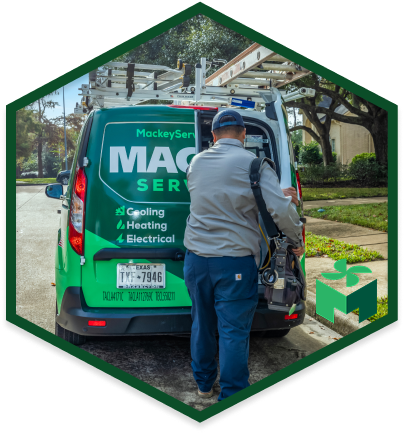
How the Professional Tune-Up Process Works
Understanding the workflow of a professional maintenance visit helps homeowners prepare and ensures transparency regarding what is happening with their equipment. The process is designed to be thorough yet efficient, minimizing disruption to your daily routine while maximizing the technical insights gained.
Initial System Assessment
The technician begins by operating the system from the thermostat to listen for unusual noises and observe cycle times. This baseline assessment identifies immediate operational issues such as short cycling or delayed engagement. Temperature splits—the difference between the air entering the return vent and the air leaving the supply vent—are measured to gauge immediate cooling performance.
Outdoor Unit Optimization
Attention then shifts to the condenser unit outside. The technician removes debris like leaves and grass clippings from the housing. The fan blades are inspected for cracks or damage, and the motor is lubricated if applicable. This step is critical for ensuring that heat is effectively rejected from the home.
Indoor Unit and Air Handler Service
The focus moves indoors to the air handler or furnace. The filter is inspected and replaced if necessary. The blower compartment is cleaned, and the ductwork connections at the unit are checked for air leaks that could be pulling in hot attic air. This stage ensures that the air circulating through your home is clean and contained.
Final Testing and Reporting
Once all cleaning and adjustments are complete, the system is run through a full cooling cycle to verify improvements. The technician generates a detailed report outlining the work performed, the status of critical components, and any recommendations for proactive repairs. This report serves as a health record for your AC unit, which is often required to maintain manufacturer warranties.
Identifying When Maintenance Is No Longer Enough
While routine maintenance extends the life of your air conditioner, there comes a point where repair costs outweigh the value of the existing system. Making the decision to repair or replace involves evaluating technical data and financial efficiency.
The Frequency and Cost of Breakdown
If your system requires multiple repairs within a single cooling season, or if the cost of a single repair approaches 50% of the cost of a new unit, replacement is often the more prudent financial decision. Continuous minor repairs, such as replacing fan motors or contactors, can add up quickly without solving the underlying issue of an aging compressor — check our specials today.
Refrigerant Type and Availability
Older systems that utilize R-22 refrigerant are becoming increasingly expensive to service due to the phase-out of this chemical. If your unit has a refrigerant leak and relies on R-22, the cost to recharge the system may not be justifiable compared to investing in a modern system that uses eco-friendly R-410A or newer alternatives.
System Age and Efficiency Ratings
Air conditioners generally have a lifespan of 10 to 15 years, particularly in coastal areas where salt air accelerates corrosion. A system that is over 12 years old and operates at a low SEER (Seasonal Energy Efficiency Ratio) rating is likely costing you significantly more in monthly energy bills than a newer, high-efficiency model. Even with maintenance, an old unit cannot match the energy savings of modern variable-speed technology.
Comfort and Humidity Control
If a tuned-up system still fails to remove humidity effectively, leaving your home feeling sticky or clammy, it may be undersized or mechanically compromised beyond what maintenance can resolve. Modern systems offer superior humidity control features that are essential for comfort in the Galveston region.
Regional Considerations for AC Care
Operating an air conditioning system in a coastal, subtropical environment presents unique challenges that standard maintenance protocols might miss. The combination of salt air, high heat, and extreme humidity requires a localized approach to HVAC care.
Combating Salt Air Corrosion
For properties near the coast, salt spray is a persistent threat. Salt accumulation on aluminum fins and copper tubing accelerates galvanic corrosion, leading to rapid deterioration of the condenser coil.
- Frequent rinsing of the outdoor unit is recommended between professional visits.
- Technicians check for fin disintegration, where the aluminum fins turn to white powder and crumble away.
- Application of protective coatings on the coils can be discussed to extend the life of the unit in salt-heavy atmospheres.
Managing Excessive Humidity and Mold Risks
The high moisture content in the air creates an ideal breeding ground for biological growth within the HVAC system.
- Condensate lines are more prone to algae blockages in this region due to the constant presence of water.
- Ductwork in unconditioned spaces like attics must be well-insulated to prevent sweating. When cold ducts meet hot, humid attic air, condensation forms, leading to water damage and mold growth on the exterior of the ducts.
Utility Infrastructure and Power Surges
Summer storms and high demand on the local power grid can lead to voltage fluctuations and surges.
- Checking the integrity of the disconnect box and fuses is a standard part of local maintenance.
- Surge protectors are highly recommended to protect the sensitive electronic control boards found in modern AC units from sudden voltage spikes common during storm season.
Why Professional Execution Matters
Attempting to perform AC maintenance without professional training often results in overlooked issues and potential safety hazards. While homeowners can change a filter or hose down a condenser, the technical calibration required for optimal performance demands certified expertise.
Accurate Diagnostics prevent Guesswork
Mackey Services technicians utilize advanced diagnostic tools to see what is happening inside the system. Measuring superheat and subcooling requires precise temperature and pressure readings to determine the exact charge of the system. Guessing on refrigerant levels is a primary cause of compressor failure.
Warranty Compliance
Most HVAC manufacturers require proof of annual maintenance by a licensed professional to keep the parts warranty valid. DIY maintenance does not satisfy these requirements. If a major component fails and you cannot provide maintenance records, you may be liable for the full cost of the replacement part.
Safety and Electrical Hazards
HVAC systems operate on high-voltage electricity and contain pressurized gases. Technicians are trained to handle these hazards safely, ensuring that all panels are secured, wires are insulated, and the system is grounded properly before leaving the site.