How Our Maintenance Process Works
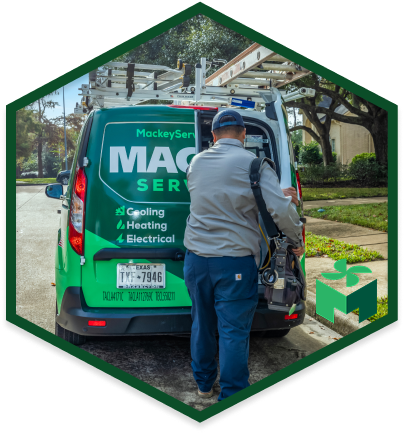
We utilize a systematic approach to maintenance that leaves no component unchecked. Our technicians follow a strict protocol designed to uncover hidden issues and verify system integrity. This process ensures that when we leave, your system is calibrated for the specific demands of the upcoming season.
- Initial System Assessment: The technician arrives and performs a preliminary operation test. We listen for abnormal noises, look for vibration issues, and measure the temperature split between the return and supply air to gauge immediate performance.
- Safety Inspection: We inspect the electrical disconnect box for loose connections that could cause fire hazards. If the unit is part of a hybrid system or near gas lines, we check for safe clearances and proper venting.
- Deep Cleaning and Adjustment: This is the hands-on phase where power is cut to the unit. We remove debris from the outdoor cabinet, straighten bent condenser fins to improve airflow, and clean the internal components. Electrical connections are tightened to prevent voltage drops.
- Operational Testing: Once cleaning and adjustments are complete, we restart the system. We monitor the amperage draw of the compressor and fan motors to ensure they are running within safe limits. We also cycle the thermostat to verify it is reading temperatures accurately and communicating correctly with the control board.
- Performance Reporting: You receive a detailed report of the findings. If we identify a part that is nearing the end of its life, we inform you immediately with a clear explanation of why it matters. We do not upsell unnecessary repairs; we provide data so you can make informed decisions about your property.
Determining When to Repair or Replace Your Unit
Homeowners often face the difficult choice between continuing to repair an aging unit or investing in a modern, higher-efficiency system. While maintenance can extend the life of a system significantly, there is a point of diminishing returns where replacement becomes the more financial sound strategy. In the Galveston County area, where salt air and humidity accelerate corrosion, the lifespan of an AC unit can be shorter than the national average.
Consider replacement if the following conditions apply:
- The 5000 Rule: If the age of your system (in years) multiplied by the cost of the repair (in dollars) exceeds $5,000, replacement is generally the better investment.
- R-22 Refrigerant Dependency: If your system still utilizes R-22 (Freon), repairs involving refrigerant are prohibitively expensive due to production bans. Upgrading to a system that uses R-410A or newer refrigerants eliminates this cost and compliance issue.
- Frequent Component Failures: If you have replaced a blower motor, a contactor, and a capacitor within the last two years, the compressor is likely next. A “money pit” system often signals that major failure is imminent.
- SEER Ratings: Older units often operate at 10 or 12 SEER. Modern standards require higher efficiency (SEER2). Upgrading to a 16+ SEER system can reduce energy consumption by 30% to 50%, essentially paying for the installation over time through utility savings.
- Comfort Consistency: If some rooms are freezing while others remain hot, or if the humidity inside feels clammier than outside, the unit’s capacity may no longer match the home’s load requirements, or the compressor valves may be failing.
Managing Local Climate and Regulatory Requirements
Operating an air conditioning system in Dickinson requires specific attention to environmental factors and local regulations. The proximity to the coast introduces salt into the air, which can cause formicary corrosion on standard copper coils. This corrosion leads to microscopic leaks that are difficult to find and expensive to fix. During our maintenance visits, Mackey Services technicians pay special attention to rinsing salt deposits from outdoor units to mitigate this risk.
Furthermore, we ensure compliance with local building codes. If maintenance reveals that a major component like a compressor needs replacement, or if a new system is required, permits may be necessary to ensure the work meets city safety standards.
- Humidity Control: The primary challenge in this region is latent heat (moisture). A system that is short-cycling (turning on and off too quickly) will cool the air but fail to dehumidify it, leading to mold growth in ducts and a clammy indoor environment. We adjust blower speeds to optimize dehumidification.
- Rebate Programs: Local utility providers often offer incentives for maintaining high-efficiency equipment or upgrading to new systems. We stay informed on current rebate programs available to residents to help you offset costs.
- Severe Weather Prep: With the potential for hurricanes and severe thunderstorms, securing the outdoor unit is vital. We check the mounting bolts and hurricane straps during maintenance to ensure the unit remains stationary during high winds.