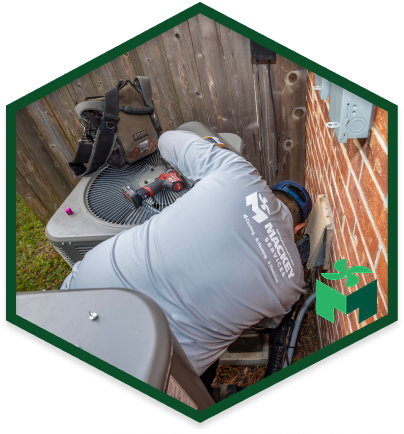
Service Overview: What to Expect from Your AC Installation
Investing in a new air conditioning system is a significant decision that impacts your utility bills and daily comfort for the next decade. A professional installation goes beyond simply swapping out a metal box. It requires a comprehensive approach to integration with your home’s existing infrastructure.
When you schedule an installation, you receive a complete turnkey solution. This includes the safe removal and disposal of your old equipment, reducing your liability and environmental footprint. We handle the logistics of delivery, staging, and site preparation to protect your property during the work.
Your installation service includes:
- Professional Load Calculation: We verify the correct tonnage required for your home using industry-standard protocols, ensuring the unit is neither undersized (running constantly) nor oversized (short-cycling and failing to dehumidify).
- System Matching: We ensure the outdoor condenser matches the indoor evaporator coil for maximum SEER (Seasonal Energy Efficiency Ratio) performance.
- Ductwork Inspection: We assess accessible ductwork for leaks or disconnects that could undermine the efficiency of the new unit.
- Peripherals Setup: This includes installing a new thermostat if necessary, configuring smart home connections, and ensuring the condensate drain line is properly pitched.
- Debris Removal: All packaging, old parts, and debris are removed from the site, leaving your home as clean as we found it.
Our AC Installation Process: Steps to Ensuring Optimal Performance
A systematic process is the difference between a system that runs for five years and one that runs for fifteen. Our technicians follow a strict checklist to ensure every component functions harmoniously.
- Site Protection and Safety Check: First, technicians arrive and lay down drop cloths to protect flooring. We shut off electrical power to the HVAC circuits to ensure a safe working environment.
- Refrigerant Recovery: Next, we legally and safely recover any remaining refrigerant from the old system according to EPA guidelines. This prevents harmful chemicals from venting into the atmosphere.
- Equipment Removal: Then, the old outdoor condenser and indoor air handler (or furnace coil) are disconnected and removed. We inspect the “plenum” (the air distribution box) for rust or damage during this stage.
- Positioning the New Unit: We level the ground or replace the equipment pad for the outdoor unit. Inside, we position the evaporator coil and air handler, ensuring a tight seal with the existing ductwork to prevent air leakage.
- Line Set Connection: We braze or weld the copper refrigerant lines (the line set) connecting the indoor and outdoor units. During this step, we flow nitrogen through the lines to prevent oxidation and keep the system clean.
- Electrical and Control Wiring: High-voltage wiring is connected to the disconnect box, and low-voltage control wires are attached to the thermostat and sensors.
- Vacuum and Charge: We pull a deep vacuum on the refrigerant lines to remove moisture and non-condensables. Once the vacuum holds, we release the factory refrigerant charge and fine-tune it based on “subcooling” and “superheat” calculations specific to the conditions in League City that day.
- Final Commissioning: Finally, we run the system, checking static pressure, airflow, and temperature splits (the difference in temperature between supply and return air) to verify the system is cooling exactly as the manufacturer intended.
Deciding Between AC Repair and Replacement
Determining whether to sink more money into an aging unit or invest in a replacement is a common dilemma. While repairs are often cheaper upfront, they can become a financial drain if the system is nearing the end of its useful life.
You should consider replacement if your system is over 10 to 15 years old. In this region, the heavy workload placed on AC units often accelerates wear and tear compared to milder climates. If your current unit requires R-22 refrigerant (Freon), replacement is almost always the smarter financial move, as R-22 production has ceased, making refills exorbitantly expensive.
Look at the frequency of breakdowns. If you have required repairs more than once in the last two years, or if a single repair cost approaches 50% of the value of a new system, replacement offers a better return on investment. Furthermore, modern systems have significantly higher SEER ratings. Swapping a 10 SEER unit for a modern 16+ SEER system can result in substantial monthly energy savings, effectively helping the new unit pay for itself over time — check our specials today.
Humidity control is another deciding factor. Older units often lose the ability to effectively remove moisture from the air. If your home feels clammy even when the temperature is set low, the compressor may be failing, or the unit may be losing compression. Mackey Services can help you calculate the projected energy savings of a new unit to see if the math justifies the upgrade.
Understanding League City AC Installation Regulations
Proper installation involves navigating local building codes and utility requirements. League City and the surrounding areas have specific regulations regarding HVAC installations to ensure safety and energy efficiency. Ignoring these rules can lead to fines, difficulties in selling your home later, or voided homeowner insurance claims in the event of a fire or water damage.
- Permits and Inspections: Most AC replacements require a municipal permit. This ensures that the electrical connections meet the National Electric Code (NEC) and that the gas piping (if applicable) is safe. A third-party inspection protects the homeowner by verifying that the contractor performed the work correctly. We handle the permit application and scheduling of inspections so you do not have to navigate the bureaucracy.
- SEER2 Standards: As of 2023, the Department of Energy implemented new SEER2 testing standards. The southern region, including Texas, has stricter minimum efficiency requirements than the north. We ensure all equipment we quote and install meets these regional federal minimums, keeping you compliant and maximizing your energy efficiency.
- HOA Considerations: For homeowners in managed communities, there may be restrictions on where outdoor units can be placed or requirements for screening the units from street view. We are experienced in working within these parameters to ensure your installation does not violate community bylaws.
Why Choose Us? Our Certifications & Local Expertise
Choosing the right contractor is just as important as choosing the right equipment brand. An incorrectly installed top-tier unit will perform worse than a correctly installed budget unit.
- Technical Certification: Our technicians undergo rigorous training and hold certifications that validate their expertise in thermodynamics, electrical systems, and airflow dynamics. We stay updated on the latest inverter technology and smart home integrations to provide you with modern, future-proof solutions.
- Local Climate Mastery: We understand the specific challenges of the Texas Gulf Coast. We know how salt air can corrode outdoor condensers and recommend coastal-grade equipment or protective coatings when necessary. We size systems to handle the latent heat (humidity) load, not just the sensible heat (temperature) load, ensuring your home is crisp and dry, not cold and damp.
- Warranty and Protection: We stand behind our craftsmanship. Beyond the manufacturer’s warranty on parts (which often covers 10 years), we provide clear labor warranties. You will never be left guessing who to call if a minor adjustment is needed post-installation.